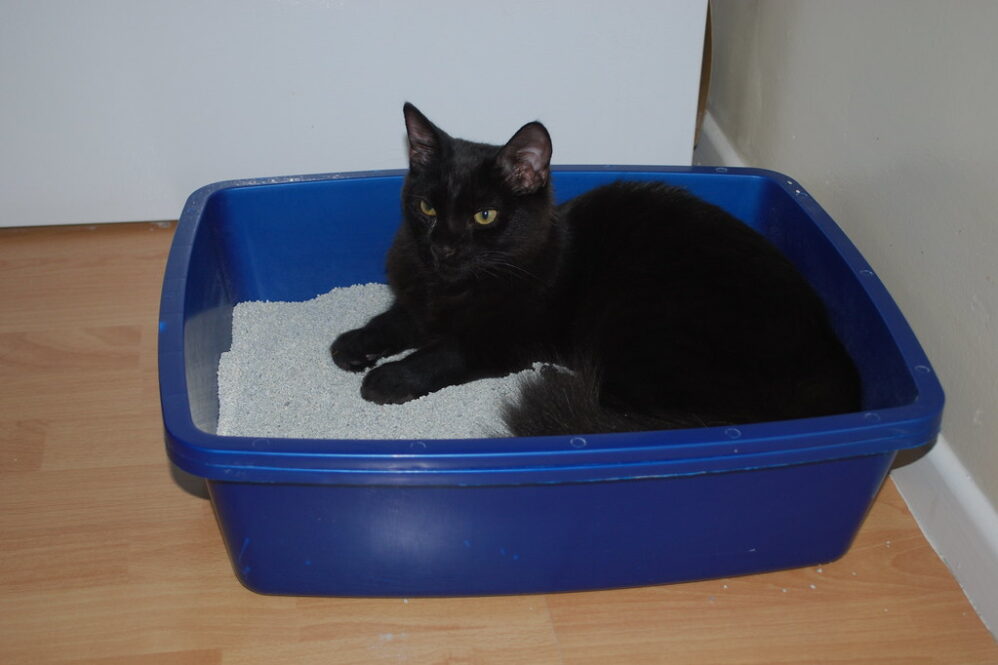
9 places you should never put your cat’s litter box, according to vets
Finding the perfect spot for your cat’s litter box can be a tricky task. While you want to keep the litter contained and out of sight, it’s essential to choose a location that your cat finds accessible and comfortable. Improper placement can lead to stress for your pet and unwanted accidents around the house.
To help you avoid common pitfalls, we’ve compiled a list of the worst places to put your cat’s litter box. Here are 9 spots that are usually best to avoid:
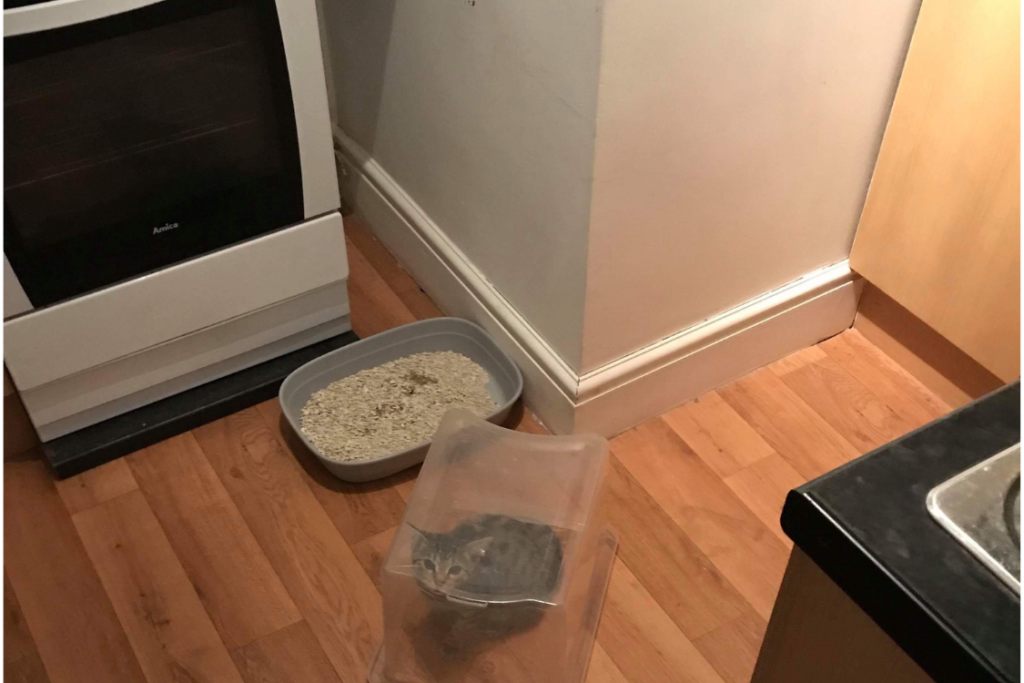
9. The Kitchen
Placing a litter box in the kitchen is a recipe for disaster.
Not only is it a high-traffic area, but it also poses hygiene issues due to the proximity to food preparation. Your cat may feel anxious with the constant activity, leading to accidents elsewhere.
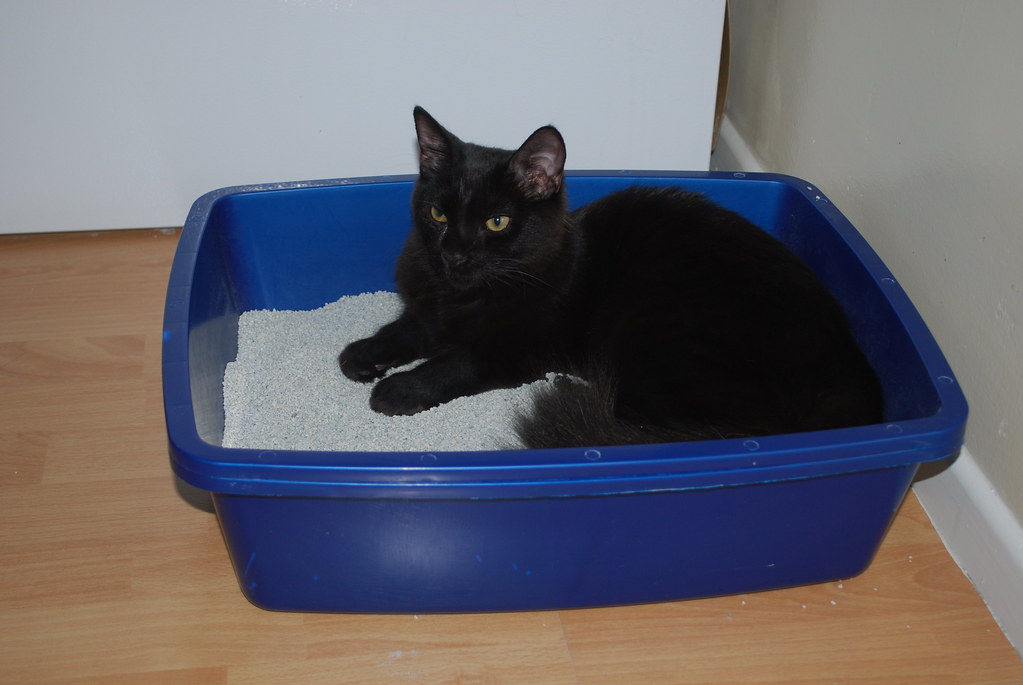
8. Bedrooms
While bedrooms might seem like a peaceful option, they can come with their own drawbacks.
Odors can linger, and if the bedroom door is closed, your cat might find itself locked out from its bathroom. This can lead to stress and potential accidents.
7. Near Loud Appliances
Placing a litter box next to noisy appliances can be unsettling for your cat.
Frequent loud noises can startle your cat, making it reluctant to use the litter box. This could lead to your pet finding quieter, less appropriate places to relieve itself.
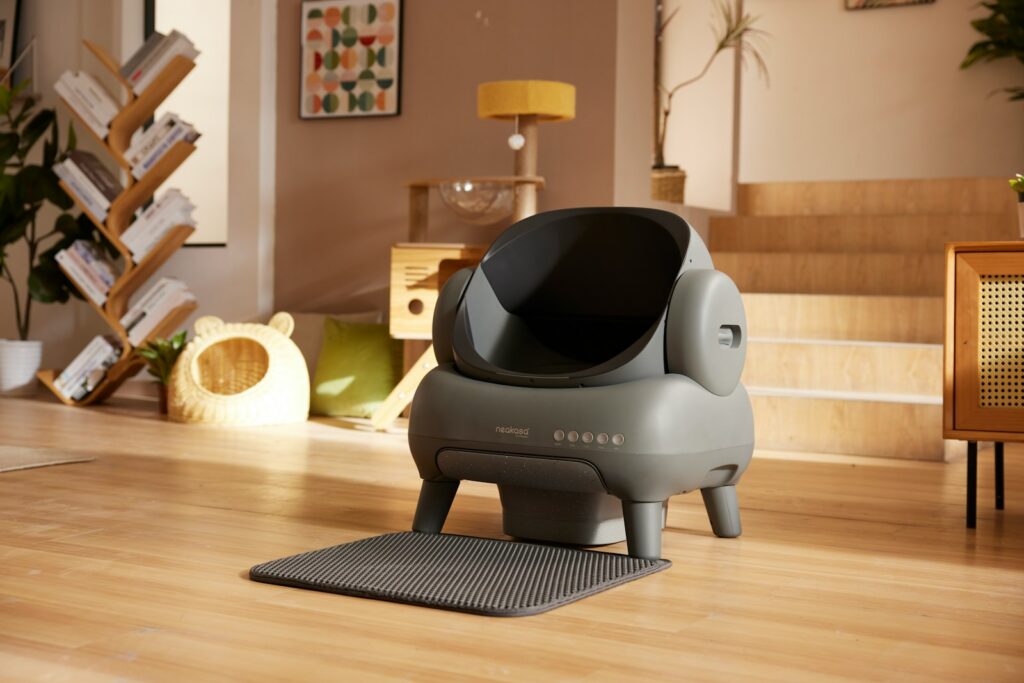
6. High-Traffic Areas
High-traffic areas are far from ideal for a litter box.
Your cat needs privacy to do its business, and constant interruptions can cause stress. This might lead to your pet avoiding the litter box altogether.

5. Near Children’s Play Areas
It’s best to avoid placing a litter box near where children play.
The noise and activity can be stressful for your cat, and there’s a risk of contamination if children come into contact with the litter box.

4. In Attics
Attics might seem like a secluded spot, but they’re not ideal for litter boxes.
Accessibility can be an issue, especially for older cats or those with mobility problems. The isolation can also lead to neglect in cleaning and monitoring your cat’s health.
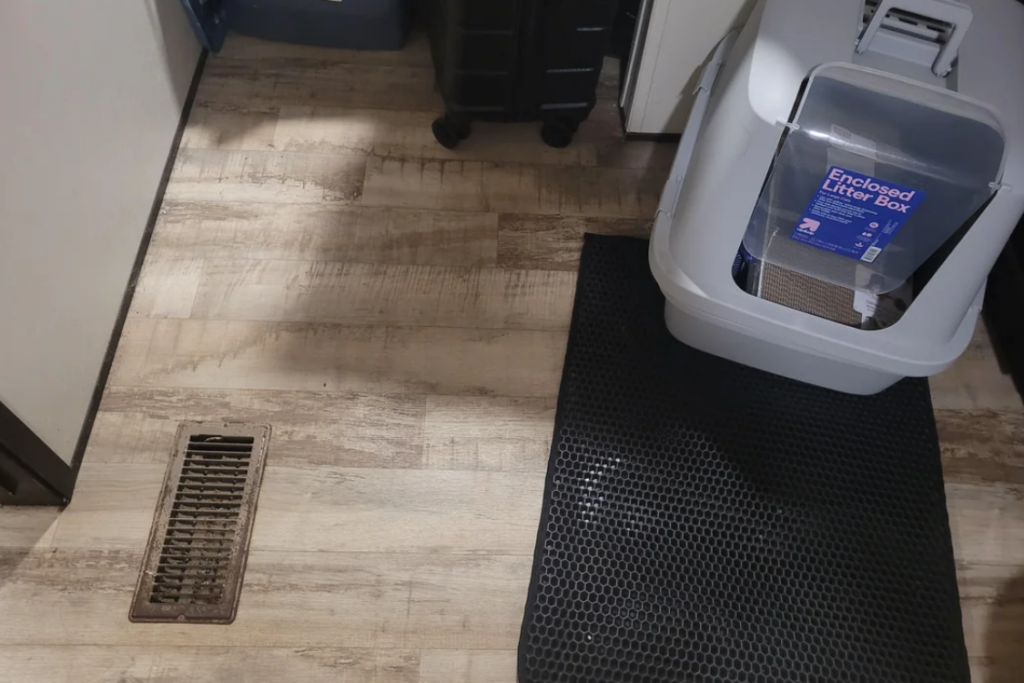
3. Near Heating Vents
Heat can amplify odors, making vents a poor choice for litter box placement.
The warmth may make the area less comfortable for your cat, and the smell could spread more easily through the house.
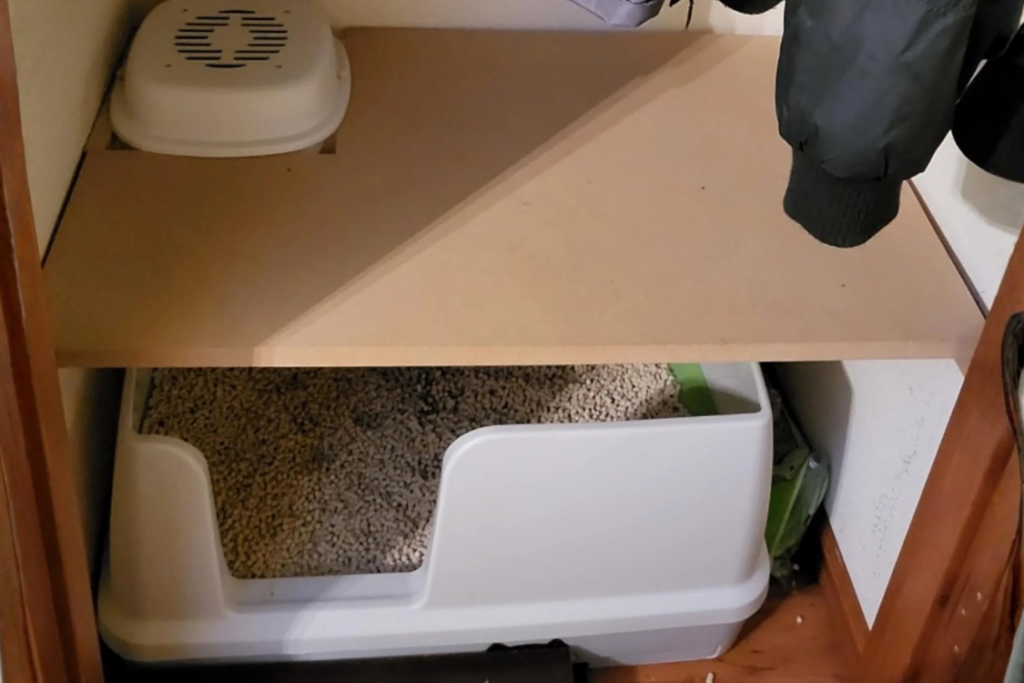
2. In Closets
Closets might seem like a good idea, but they can be problematic.
Limited ventilation can trap odors, and if the door closes, your cat might not have access to its litter box. This can lead to accidents and increased stress for your pet.
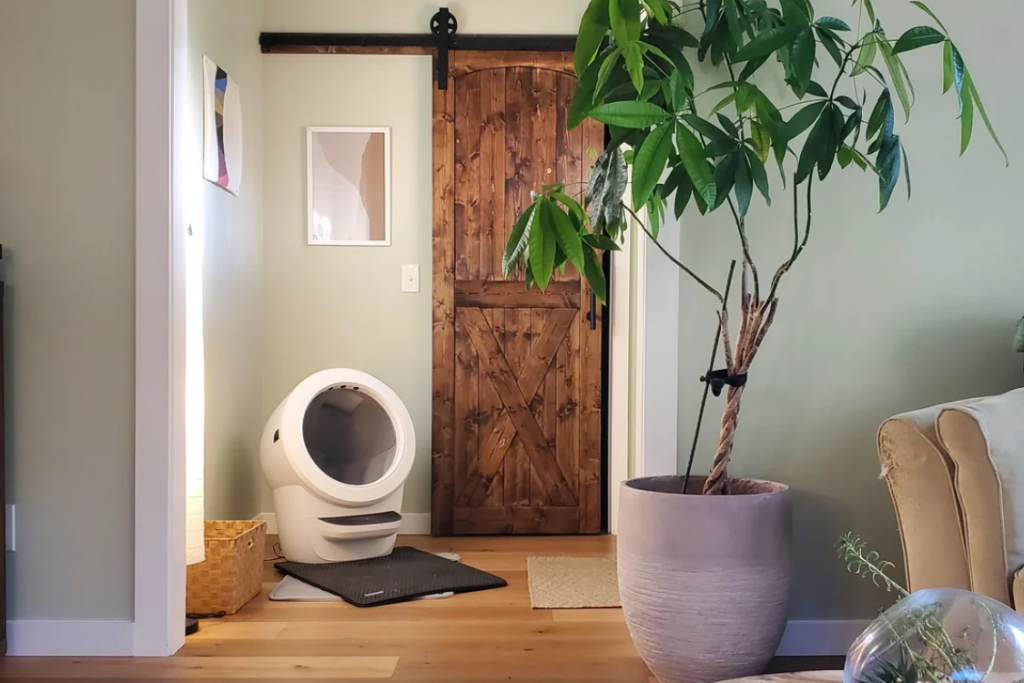
1. Near Busy Entryways
Entryways are bustling with activity, making them unsuitable for litter boxes.
The constant coming and going can make your cat feel uneasy, leading to avoidance of the litter box. This can result in your cat finding other, less appropriate places to relieve itself.
Read More:
- 10 Pros and Cons of Allowing Your Cat on the Counter
- 10 Ways to Keep Your Senior Cat Healthy and Thriving
- The Right Way to Correct Bad Cat Behavior
Ask us! What questions do you have about content, strategy, pop culture, lifestyle, wellness, history or more? We may use your question in an upcoming article!
Like MediaFeed’s content? Be sure to follow us.
This article originally appeared on Resourcebuzz and was syndicated by MediaFeed.co.