
9 Reasons Younger Generations May Be Aging Faster
Recent research has unveiled a concerning trend: younger generations may be experiencing accelerated biological aging, potentially increasing their risk of developing early-onset cancers. This phenomenon is not just a curiosity of biology but a significant health concern that could affect millions worldwide.
The study, published in Nature Medicine, highlights how various lifestyle and environmental factors might be speeding up the aging process for today’s youth. Here are nine reasons why younger generations may be aging faster and how it could impact their cancer risk.
9. Increased Exposure to Environmental Pollutants
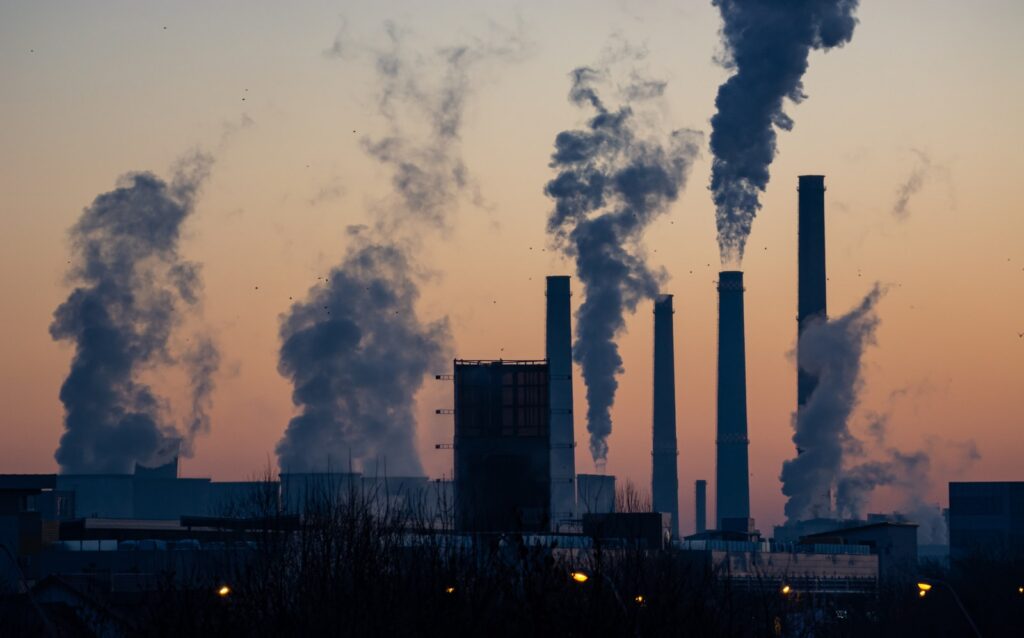
Younger generations today face greater exposure to environmental pollutants than previous generations.
These pollutants, including air pollution and chemicals, contribute to faster biological aging by affecting various bodily systems. This increased exposure could be a significant factor in the rising rates of early-onset cancers.

8. Sedentary Lifestyles
Modern lifestyles often involve prolonged periods of inactivity, contributing to accelerated aging.
This lack of physical activity can negatively impact metabolic health and promote conditions like obesity, which are linked to increased cancer risks.

7. Poor Diet Quality
Diet plays a crucial role in how our bodies age, and many younger people consume diets high in processed foods.
These diets can lead to metabolic imbalances and inflammation, both of which are associated with faster aging and higher cancer risk.

6. Chronic Stress
Stress is an unavoidable part of life, but chronic stress can accelerate biological aging.
The constant activation of stress responses can lead to detrimental effects on the immune system and increase susceptibility to diseases, including cancer.

5. Disrupted Sleep Patterns
Sleep is essential for recovery and repair, yet many young adults experience disrupted sleep patterns.
Poor sleep can impair the body’s ability to restore itself, contributing to faster aging and potentially increasing cancer risk.

4. Higher Rates of Obesity
Obesity rates have been climbing, particularly among younger generations, and this is a significant concern.
Excess body weight is linked to numerous health issues, including increased cancer risk, due to the strain it places on bodily systems.

3. Insulin Resistance
Insulin resistance is becoming more common and is closely linked to accelerated aging.
This condition can lead to metabolic dysfunction, increasing the risk of diseases, including cancers, particularly those affecting the gastrointestinal system.
2. Faster Aging of Specific Organs
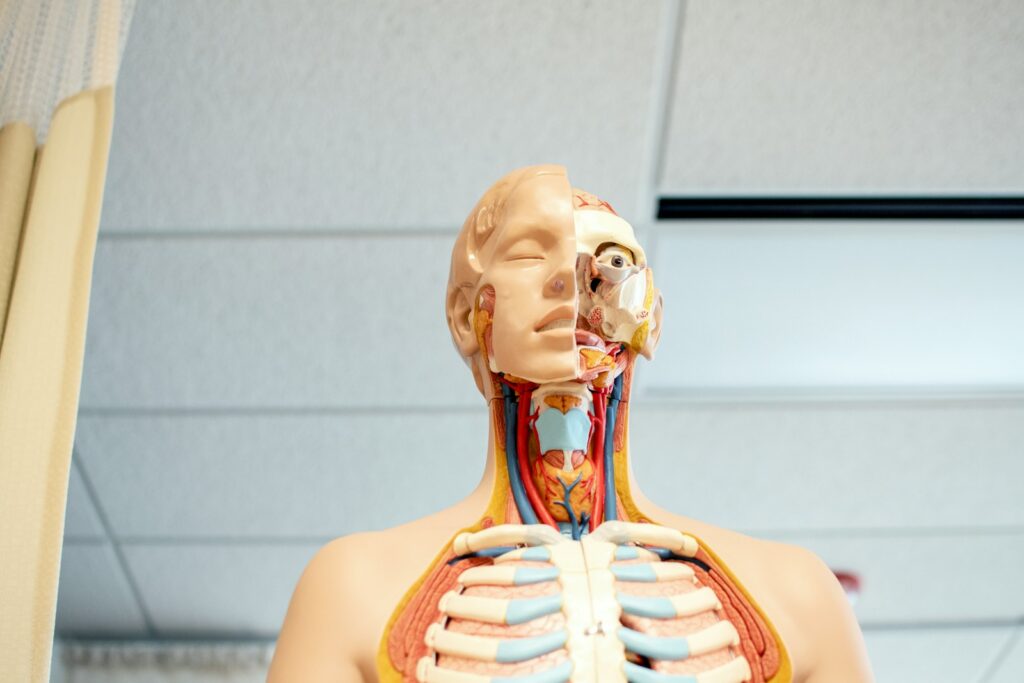
Not all organs age at the same rate, and this uneven aging can influence cancer risk.
For instance, faster aging of the immune system and fat tissue has been linked to higher risks of lung and colorectal cancers, respectively.

1. Cumulative Lifestyle and Environmental Impacts
Ultimately, the accelerated aging observed in younger generations may result from cumulative lifestyle and environmental exposures.
The combination of poor diet, lack of exercise, stress, pollution, and other factors can collectively speed up aging, increasing the risk of early-onset cancers.
Read More:
- 10 Possible Reasons Younger People Are Developing Colon Cancer
- Understanding the Alcohol-Breast Cancer Link: What Women Need to Know
- 10 Daily Habits That May Be Aging You Faster
Ask us! What questions do you have about content, strategy, pop culture, lifestyle, wellness, history or more? We may use your question in an upcoming article!
Like MediaFeed’s content? Be sure to follow us.
This article originally appeared on Resourcebuzz and was syndicated by MediaFeed.co.