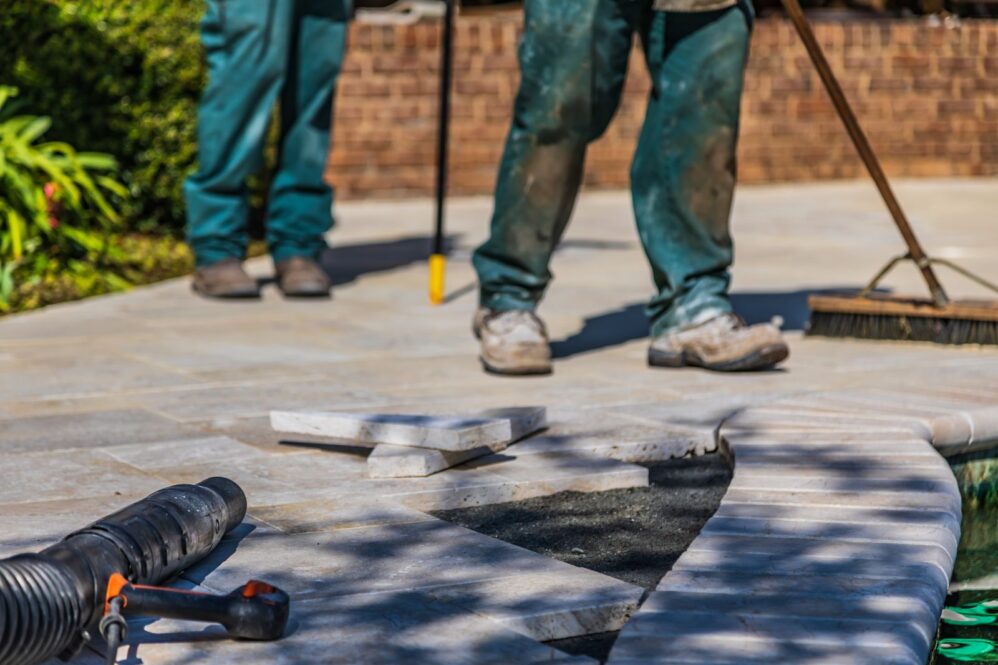
9 Expert-Approved Ways to Stop Weeds Between Pavers
Weeds sprouting between pavers can be a persistent and unsightly problem for any garden or walkway. While they may seem harmless at first, allowing them to grow unchecked can lead to a more challenging issue down the line. Fortunately, there are several expert-recommended methods to tackle these pesky intruders.
From manual removal to more comprehensive solutions, gardening pros have shared their top strategies. Here are 9 effective ways to keep your paver pathways weed-free.
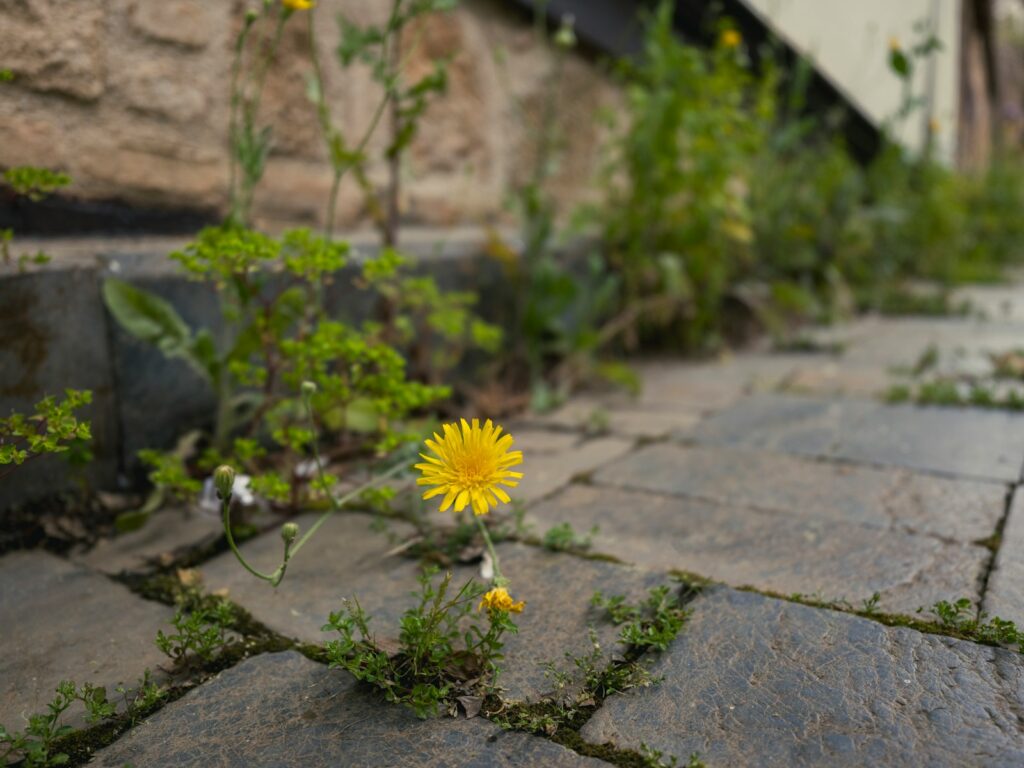
9. Manual Weed Removal
One of the simplest methods is to dig out weeds by hand. Though it might not be the most enjoyable task, it’s effective.
Using tools like a hori-hori knife or a flat head screwdriver can help pry out weeds from between the pavers. Regular maintenance prevents them from becoming unmanageable.
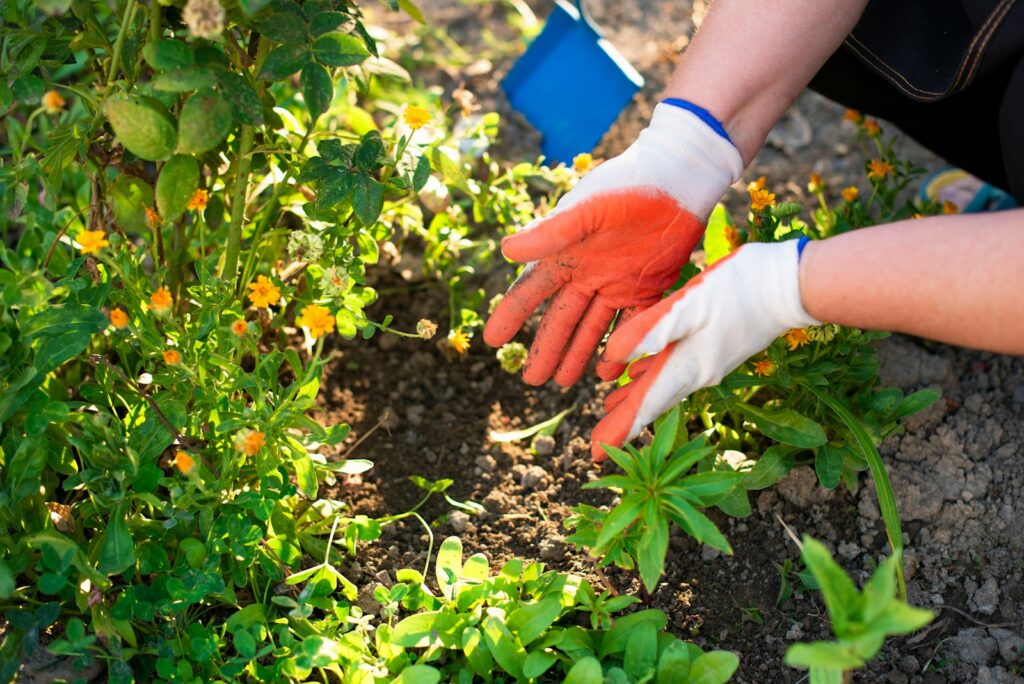
8. Frequent Weeding
Staying on top of weeds is crucial. Regular weeding prevents them from taking over your pathways.
By addressing weeds when they’re small, you make the task more manageable and prevent a larger infestation.
7. Avoid Boiling Water
While boiling water is a popular DIY method, it’s not always effective for established weeds.
It might kill young weeds, but mature weeds with strong roots often survive. Additionally, handling boiling water can be hazardous.
6. Be Cautious with Vinegar
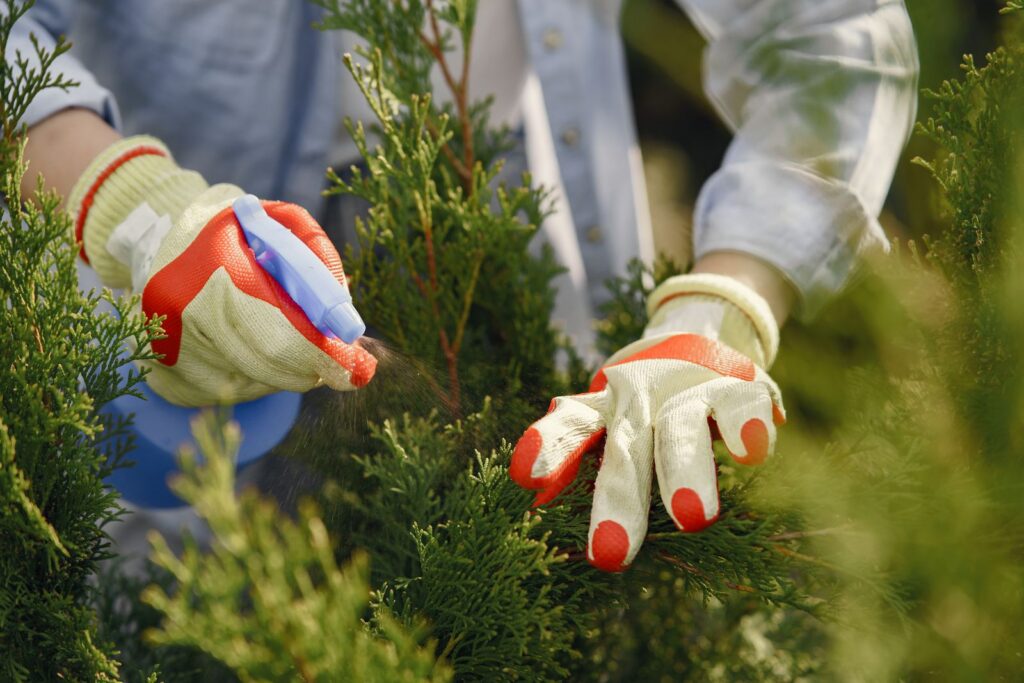
Vinegar is often seen as a natural alternative, but it’s not without drawbacks.
Though non-synthetic, vinegar can harm beneficial organisms in your garden. It’s important to use it judiciously.

5. Skip DIY Concoctions
Mixing household items like soap, salt, or baking soda might seem innovative, but these remedies often fall short.
Such mixtures rarely reach the roots, meaning weeds will likely return. It’s best to rely on proven methods.
4. Refresh Joint Sand
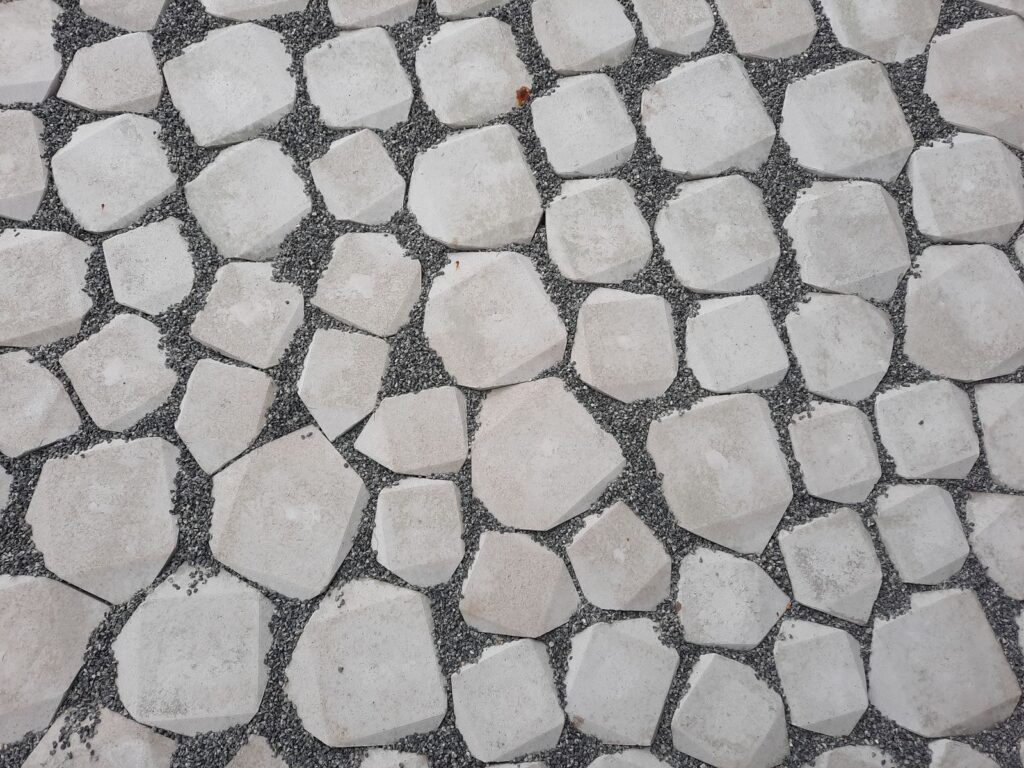
If weeds persist, consider replacing the sand between your pavers.
Using polymeric sand, which hardens to secure pavers, can effectively prevent weed growth. Follow instructions carefully for best results.
3. Consider a Patio Renovation
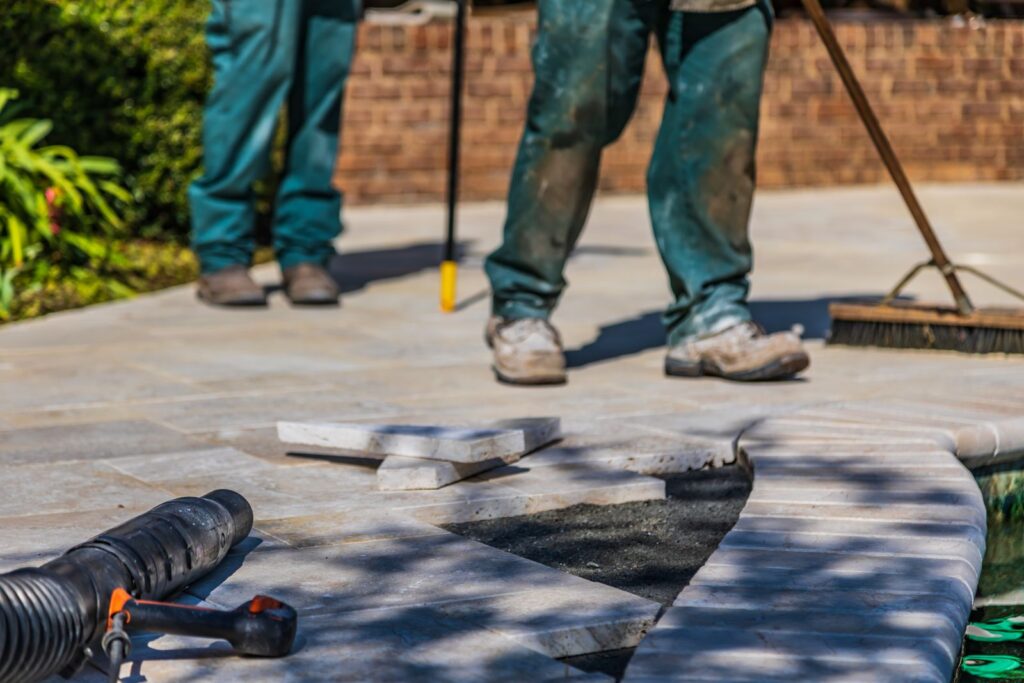
If the weed problem is severe, a renovation might be necessary.
Reinstalling the patio with proper sublayers can provide a long-term solution, though it requires more effort and investment.
2. Use Landscape Fabric
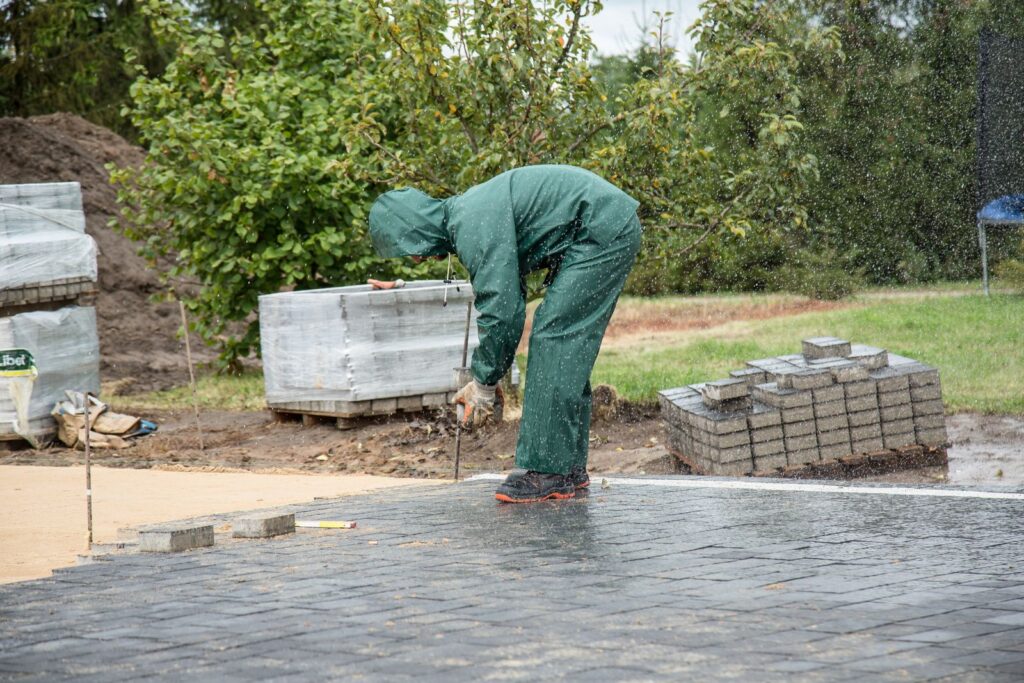
Placing landscape fabric beneath pavers can help prevent weeds from emerging.
This barrier stops weed seeds from taking root while allowing water to pass through, maintaining the integrity of your pathway.
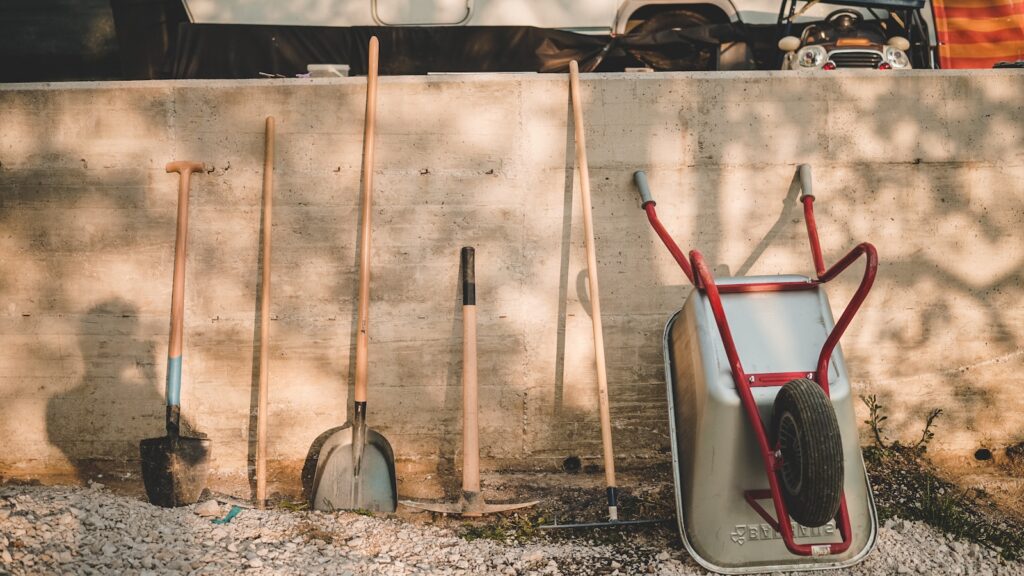
1. Regular Maintenance
Ultimately, consistent care is key to preventing weeds between pavers.
Regularly inspecting and maintaining your pathways can keep them looking pristine and weed-free.
Read More:
- 10 Plants We Call “Weeds” That Were Once Considered Useful
- 10 Weird Ways the American Lawn Changed the Planet
- 12 Antique Garden Treasures Designers Can’t Resist
Ask us! What questions do you have about content, strategy, pop culture, lifestyle, wellness, history or more? We may use your question in an upcoming article!
Like MediaFeed’s content? Be sure to follow us.
This article originally appeared on Resourcebuzz and was syndicated by MediaFeed.co.