To Buy in Bulk or Not to Buy in Bulk?
Buying in bulk can save money, but only if you’re buying the right things. Stocking up on items you won’t use (or can’t store properly) is a fast way to waste both cash and space.
The sweet spot? Products with a long shelf life, consistent use, and minimal risk of going bad. Here are ten that usually check those boxes.
Meat (If You Can Freeze It Properly)
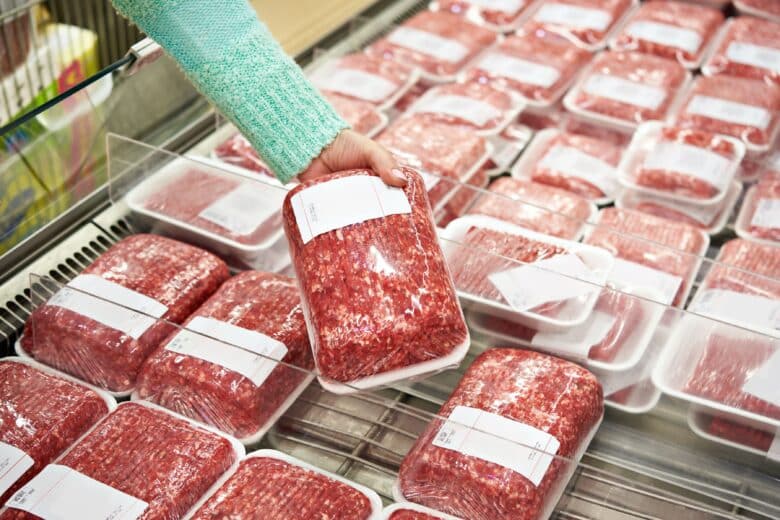
Meat often goes on sale, and freezing can help you take advantage of lower prices. Cuts like chicken, beef, and roasts freeze well for several months when stored properly. Processed meats like bacon or deli slices can be frozen, but their texture may change, so they’re better for shorter-term storage.

Toiletries
Items like toothpaste, shampoo, and deodorant are used regularly and often go on sale in bulk. Most have a long shelf life, though they can lose effectiveness over time. As long as you’ll use them within a year or so, stocking up usually makes sense.
Nuts (With Proper Storage)
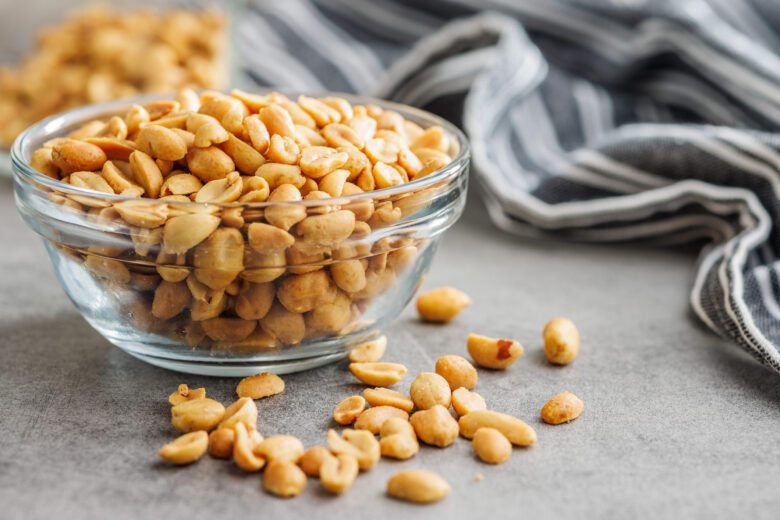
Buying nuts in bulk can save money, especially around seasonal sales. They can go rancid due to natural oils, so storage matters—keep them in airtight containers, and consider refrigerating or freezing them to extend freshness.

Diapers (With a Caveat)
Bulk diaper purchases can lower the cost per unit, which adds up quickly. The only catch: babies grow fast, so avoid overstocking one size. It’s a good deal until you’re stuck with a closet full of diapers that no longer fit.

Sugar
Granulated white sugar has an indefinite shelf life if kept dry and stored in an airtight container. It may harden over time, but it doesn’t spoil. That makes it one of the safer bulk buys for long-term storage.

Canned Goods
Canned foods are a classic bulk purchase for a reason—they’re affordable and shelf-stable. Most last one to five years, though acidic foods (like tomatoes) tend to have a shorter shelf life. Rotate your stock so nothing quietly expires in the back of the pantry.

Fruits and Vegetables (If You Prep Them)
Buying produce in bulk only works if you plan to use or preserve it quickly. Freezing is a good option—berries should be frozen individually to avoid clumping, and many vegetables benefit from blanching before freezing to maintain quality.
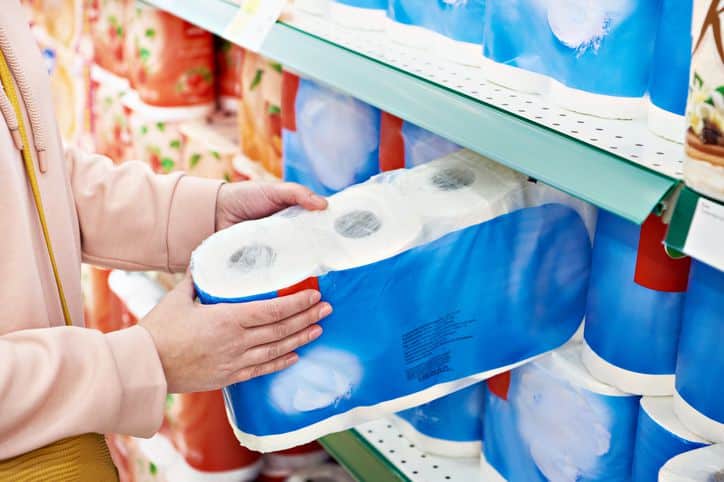
Toilet Paper and Paper Towels
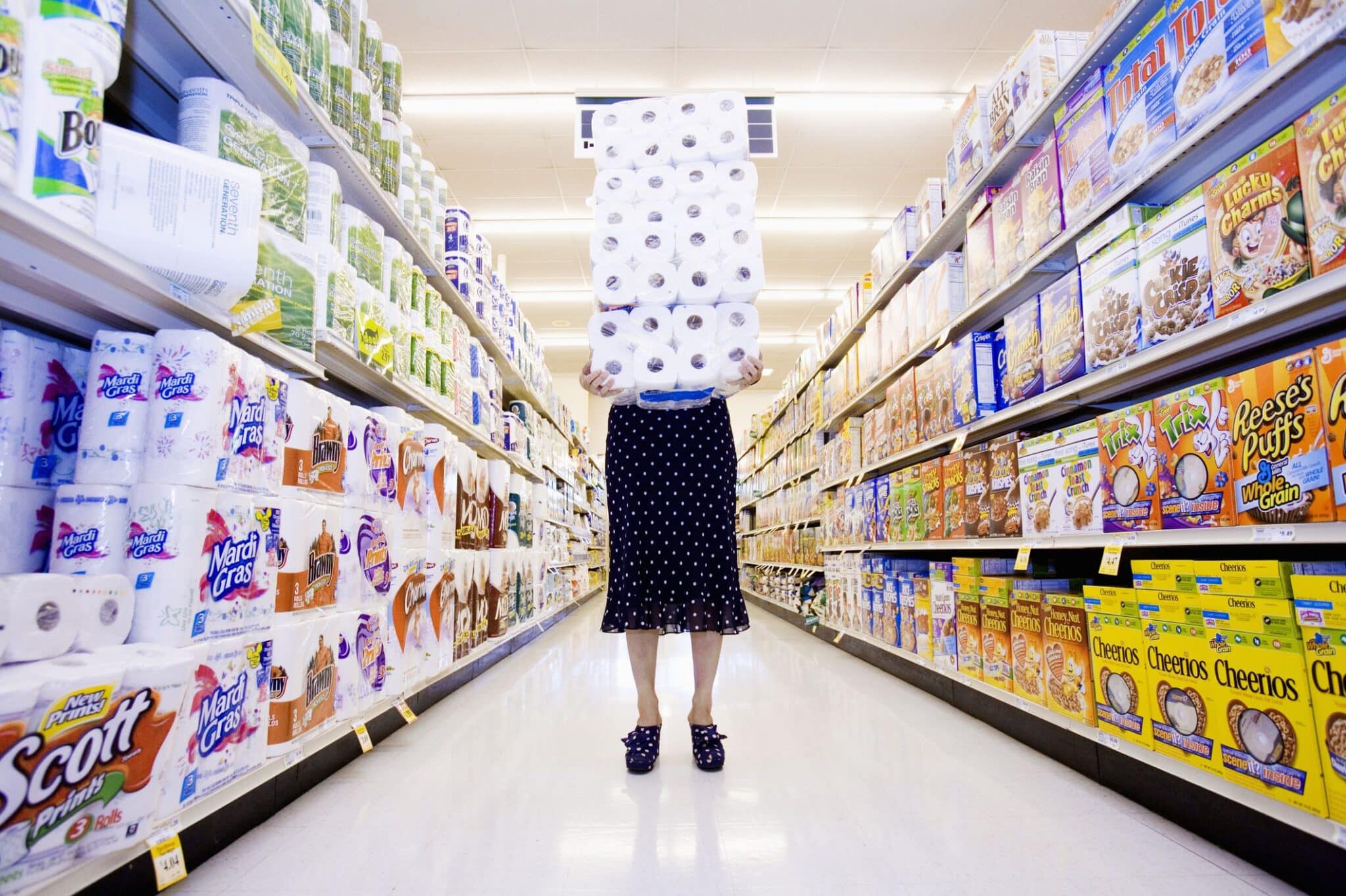
These don’t expire and are used consistently, making them ideal bulk buys. The only real downside is storage space. If you have room, buying larger packs can reduce the cost per roll.

Dried Herbs and Spices
Spices don’t spoil in the traditional sense, but they do lose potency over time. Whole spices last longer than ground ones, and most retain good flavor for 1–3 years. Buying in bulk works best if you cook often or share with others.

White Rice
White rice can last for years—sometimes decades—when stored in a cool, dry, airtight environment. Brown rice, on the other hand, has a shorter shelf life due to its higher oil content, so it’s less ideal for bulk storage.
Buying in bulk can be a smart way to save, but only when it aligns with how you actually shop, cook, and live. Focus on items you’ll consistently use, store them properly, and skip the “good deal” that ends up in the trash later.
Read More:
- Aldi, Whole Foods, or Kroger? The Best Grocery Stores Ranked
- The Most Affordable Grocery Chains in the US
- Which Grocery Stores Have the Best Rewards Programs?
Like MediaFeed’s content? Be sure to follow us.
This article originally appeared on Resource Buzz and was syndicated by MediaFeed.co.