
The Art of Doing Nothing: Why Rest Is a Radical Act of Self-Care
In a culture that celebrates hustle, productivity, and constant achievement, doing nothing can feel almost rebellious. Many of us have been taught that every moment should be optimized, every hour accounted for, and every pause justified. Yet beneath the endless notifications, packed schedules, and growing to-do lists, our minds and bodies are quietly asking for something different.
Rest is not a reward for working hard enough. It’s a biological necessity. And in today’s always-on world, choosing to slow down may be one of the most powerful forms of self-care available. Here are 10 reasons why embracing rest—and occasionally doing absolutely nothing—can transform your well-being.

10. Rest Helps Counter a Culture of Constant Productivity
Modern life often sends the message that your value is tied to your output.
Whether it’s work emails arriving after hours, social media showcasing endless achievements, or the pressure to always be improving yourself, many people feel guilty when they’re not actively accomplishing something.
Rest challenges that narrative. It reminds us that being human is about more than producing, achieving, and performing.
9. Doing Nothing Is Different From Being Distracted
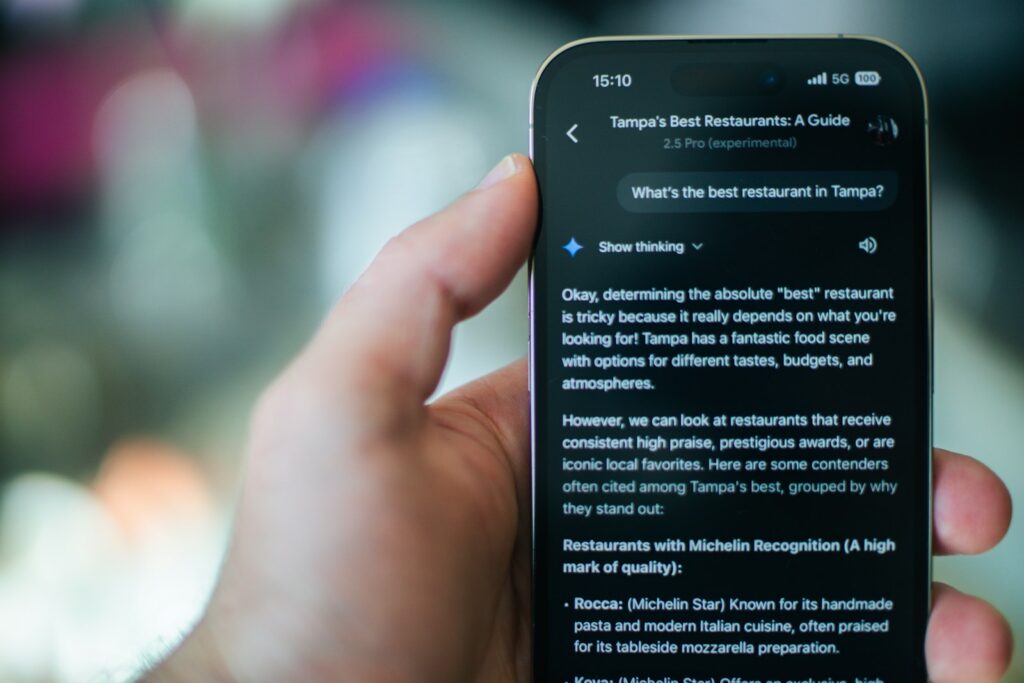
Many people think they’re resting when they’re actually just switching forms of stimulation.
Scrolling through social media, binge-watching television, or constantly checking notifications may feel relaxing in the moment, but they often keep the brain engaged and overstimulated.
True rest involves creating space. It’s the difference between distraction and restoration.
Sometimes the most restorative thing you can do is simply sit quietly and allow your mind to settle.

8. Your Brain Needs Downtime to Function Well
When you’re constantly consuming information, your brain has little opportunity to process it.
Periods of rest allow your mind to sort memories, consolidate learning, and make connections between ideas. This mental processing happens automatically when you stop filling every spare moment with input.
The result is often greater clarity, creativity, and emotional balance.

7. Boredom Can Actually Boost Creativity
Many of our best ideas arrive when we’re not actively searching for them.
The brain’s default mode network becomes more active during periods of quiet rest and mind-wandering. This network is associated with creativity, reflection, and problem-solving.
That’s why insights often appear during a shower, a walk, or while staring out the window rather than sitting in front of a spreadsheet.
Sometimes boredom isn’t a problem to solve—it’s a doorway to creativity.

6. Rest Supports Your Nervous System
Chronic stress keeps your body in a heightened state of alertness.
When you’re constantly rushing from one task to the next, your nervous system may remain stuck in a low-level fight-or-flight response. Over time, this can contribute to anxiety, tension, fatigue, and burnout.
Intentional rest helps activate the parasympathetic nervous system—the body’s natural “rest and digest” mode—allowing you to recover both physically and emotionally.

5. Doing Less Can Improve Focus
It sounds counterintuitive, but stepping away from work often makes you more productive when you return.
Mental fatigue builds throughout the day, reducing concentration and decision-making ability. Short periods of intentional rest allow your attention to reset.
Instead of pushing through exhaustion, taking a genuine break can improve focus, efficiency, and performance.

4. Rest Supports Physical Health
The benefits of rest extend far beyond your mental state.
Regular periods of recovery can help:
- Lower stress hormones
- Reduce muscle tension
- Support immune function
- Improve cardiovascular health
- Enhance sleep quality
- Promote healthy hormone balance
Your body repairs itself during periods of rest. Without enough recovery, even healthy habits become harder to sustain.
3. Rest Helps You Reconnect With Yourself
When life moves quickly, it’s easy to lose touch with your own thoughts, feelings, and needs.
Quiet moments create space to notice what’s happening beneath the surface. You may become more aware of emotions you’ve been avoiding, goals you’ve neglected, or needs you’ve been ignoring.
This self-awareness is often where meaningful change begins.

2. You Don’t Have to Earn Rest
One of the biggest obstacles to rest is the belief that it must be deserved.
Many people tell themselves they’ll rest after finishing one more project, answering one more email, or completing one more task. The finish line keeps moving.
The reality is that rest is not a prize for perfect productivity. It’s a fundamental human need. You deserve rest because you’re a person, not because you’ve checked enough items off a list.

1. Small Moments of Stillness Can Have a Big Impact
You don’t need a wellness retreat or a week-long vacation to experience the benefits of rest.
Start small:
- Sit quietly for five minutes
- Watch the clouds drift by
- Take a slow walk without your phone
- Drink your coffee without multitasking
- Lie on the floor and focus on your breathing
These moments may seem insignificant, but over time they create a powerful shift. They remind your body that it’s safe to slow down and remind your mind that not every moment needs to be filled.
Read More:
- 10 Fast, Science-Backed Ways to Calm Anxiety in Minutes
- Can’t Sleep? Here’s Why You Should Get Out of Bed
- 10 Sneaky Signs Stress Is Taking a Bigger Toll Than You Realize
Ask us! What questions do you have about content, strategy, pop culture, lifestyle, wellness, history or more? We may use your question in an upcoming article!
Like MediaFeed’s content? Be sure to follow us.
This article originally appeared on Resourcebuzz and was syndicated by MediaFeed.co.