8 forgotten American towns that vanished from the map without a trace
Most towns die slowly. A business closing here, a family moving there, until decades later nothing’s technically left but the name on an old map. A few disappeared faster and stranger than that. Swallowed by water, poison, or a single catastrophic event that emptied the place within days.
The same handful of towns keep surfacing whenever historians dig into this exact pattern.
St. Thomas, Nevada
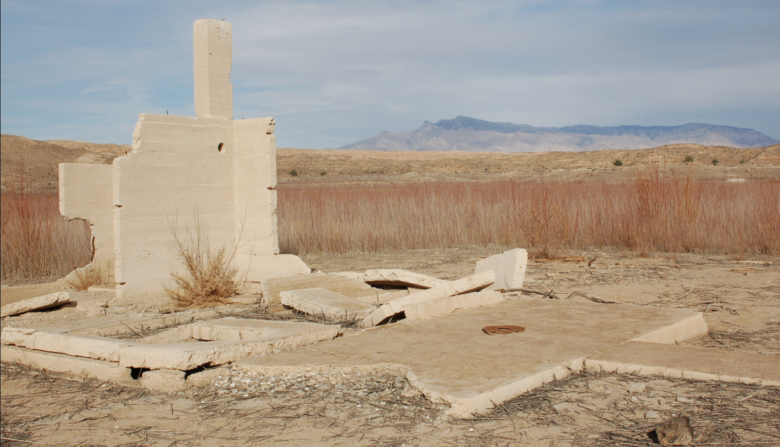
Founded in 1865 by Mormon settlers. Thrived along the Muddy River for decades. Then the Hoover Dam went up. Lake Mead’s rising water swallowed the entire town through the 1930s, slowly, foundation by foundation. During periods of extreme drought, the old streets still resurface, briefly visible before the water climbs back over them again.
Times Beach, Missouri
A dust-control measure. That’s genuinely how this one started. A contractor sprayed the town’s unpaved roads with waste oil through the early 1970s, unaware the oil was contaminated with dioxin, one of the most toxic industrial chemicals ever identified. The EPA declared it uninhabitable in 1983 and evacuated everyone. Still the largest civilian dioxin exposure event in American history, decades later.
Cahawba, Alabama
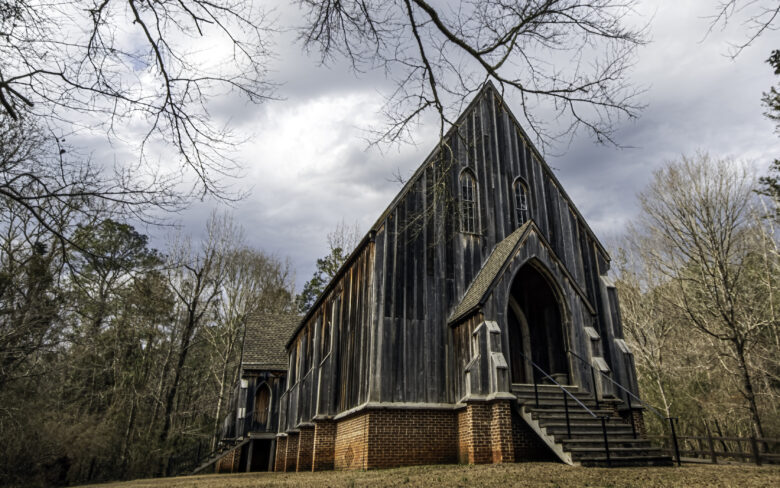
Alabama’s first state capital. A thriving river port through the early 19th century. Repeated flooding first. A Civil War stint as a prisoner-of-war camp next. Whatever momentum the town had left simply ran out after that. By the early 1900s, nature had reclaimed most of the streets. Ruins now. An overgrown cemetery. Not much else remains.
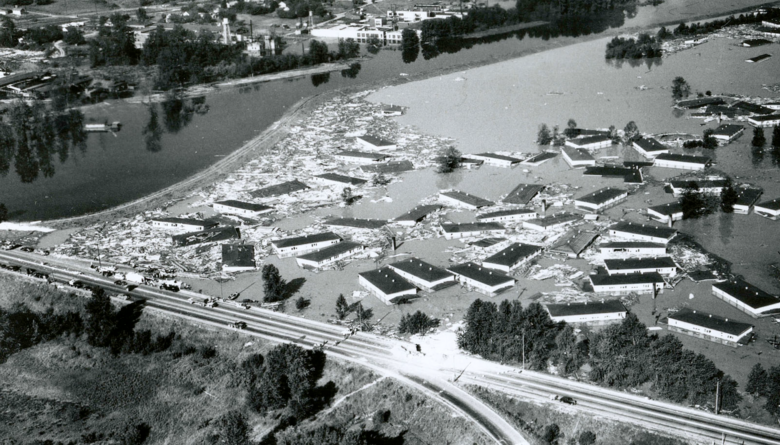
Vanport, Oregon
Built almost overnight during World War II. Housing for shipyard workers, nothing fancier than that. Became Oregon’s second-largest city anyway, roughly 40,000 people at its peak. One failed dike changed everything. The Columbia River broke through in May 1948, and the city disappeared under water in less than two hours. Nothing was left standing to even rebuild around afterward.
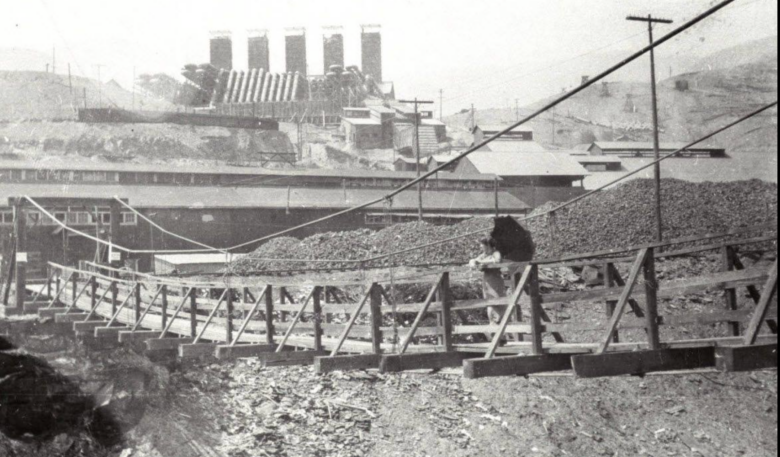
Kennett, California
A gold mining town, later a smelting hub, sitting directly in the path of a planned reservoir. About as bad a location as a town could occupy, in hindsight. Shasta Dam finished construction in the 1940s, and Lake Shasta’s rising waters submerged the entire town. Still resting quietly beneath the reservoir today, decades on.
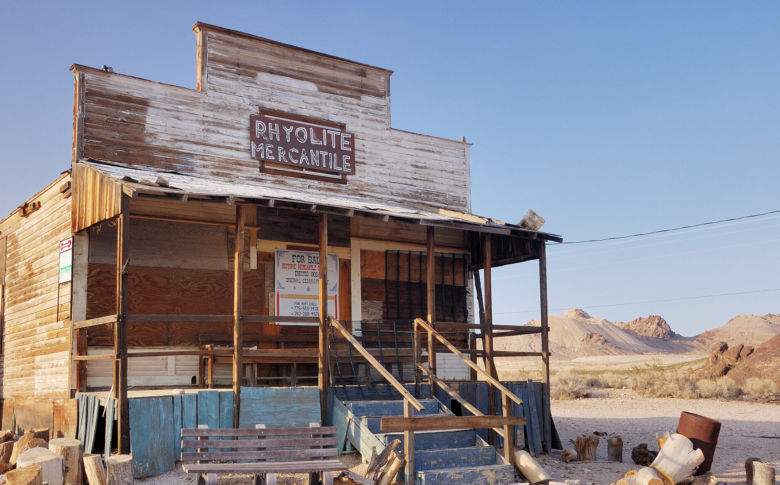
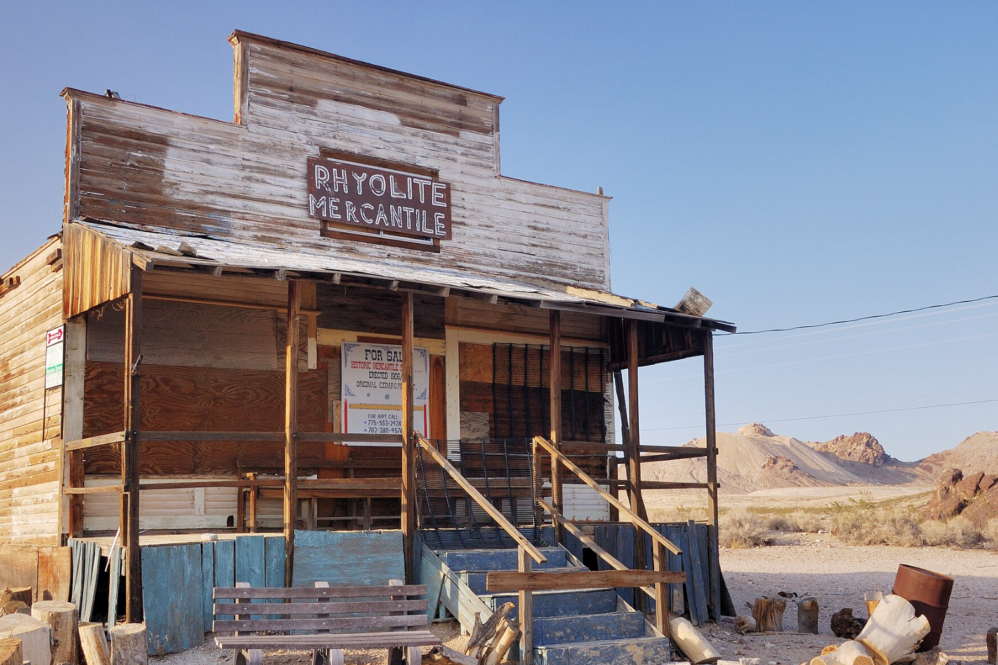
Rhyolite, Nevada
Five thousand residents. Almost overnight, during the early 1900s gold rush. An opera house. A stock exchange, in the middle of the desert, somehow, along with three separate railroad lines and electric streetlights. Within four years, an entire city had risen from the desert floor, and by 1916, it was completely silent again. The population collapsed just as fast as it had arrived in the first place.
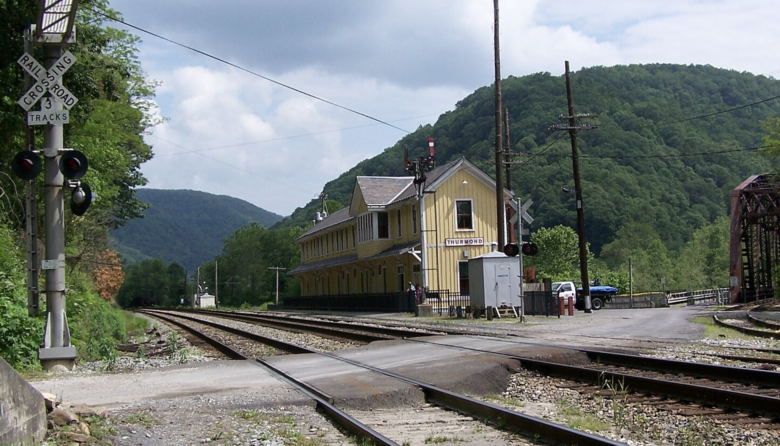
Thurmond, West Virginia
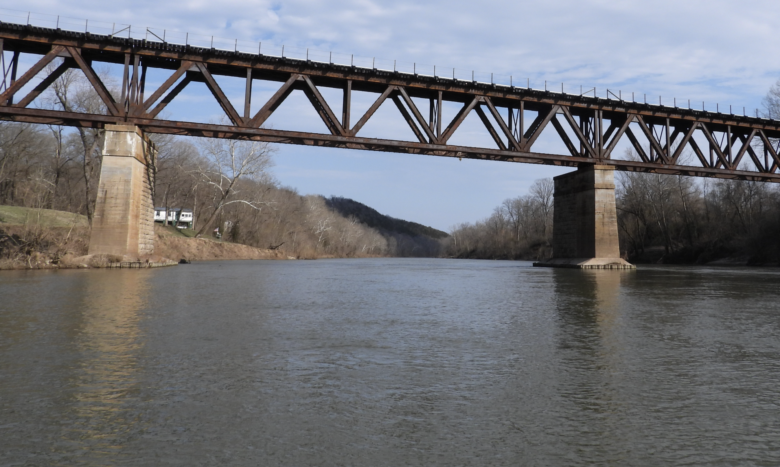
A bustling coal shipping hub along the New River, once. Moved more freight tonnage than Cincinnati and Richmond combined at its 1920s peak, $4.8 million in freight revenue at the height of it, genuinely hard to picture given what’s left there now. Coal declined. Diesel rail took over. Population’s down to single digits, and holding there.
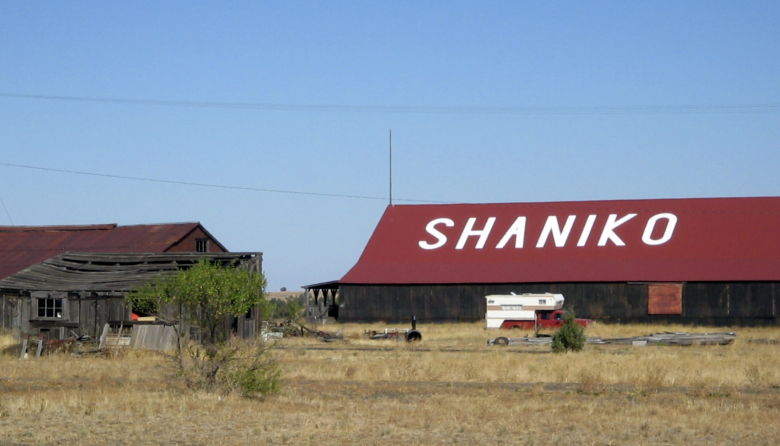
Shaniko, Oregon
Briefly called the “Wool Capital of the World,” moving millions of pounds of wool through its warehouses every year at the peak of Oregon’s sheep farming boom. A real shipping hub for the region’s ranchers, right up until a new rail line bypassed the town entirely in 1911. Cut off the whole economic reason for the town’s existence. Almost overnight. Nothing ever came along to replace it.
The bottom line
Water, poison, fire, and a bypassed rail line all did the same basic job in the end. Each one removed the single thing every town actually depends on to survive: a reason for people to keep showing up.
Ask us! What questions do you have about content, strategy, pop culture, lifestyle, wellness, history or more? We may use your question in an upcoming article!
Related:
- Historical “discoveries” that turned out to be elaborate hoaxes
- Some of the most surprising record deals in music history
Like MediaFeed’s content? Be sure to follow us.
This article was syndicated by MediaFeed.co.