TV characters we were supposed to love but couldn’t stand
There’s a specific kind of frustration that comes from a character the show clearly wants you to root for and you simply can’t. Not the villain everyone is supposed to hate. Not the anti-hero who’s complicated. The protagonist, the lead, the person the entire narrative is built around, and every time they appear on screen, something in you resists. Some of television’s most successful shows have been anchored by characters who produced exactly this reaction, which tells you something interesting about how narrative sympathy actually works.

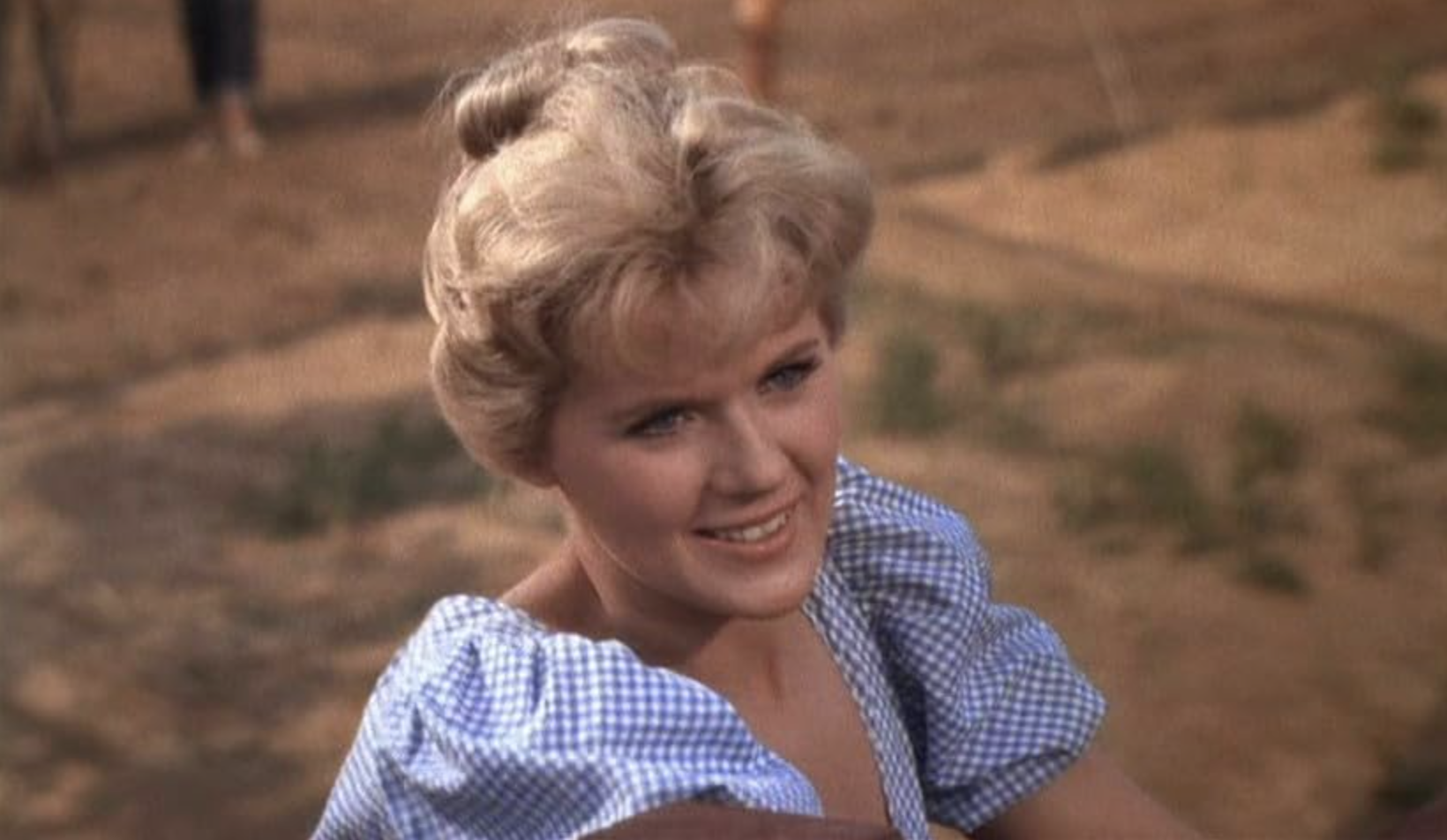
Piper Chapman — Orange Is the New Black
The most documented case on this list. Screen Rant notes that Piper was the audience surrogate through which a diverse ensemble of characters was introduced, which meant she had to be slightly clueless and naive by design. The problem is that clueless and naive curdled quickly into self-centered and entitled, and the show’s actual talent was sitting in the background in the form of everyone who wasn’t Piper. The show eventually figured this out and started sidelining her. Audiences noticed and approved.

Ross Geller — Friends
Screen Rant describes Ross as self-pitying, stuck in his ways and raging, which is accurate but also undersells the specific texture of the problem. Ross positioned himself as the put-upon intellectual in a group of people who weren’t taking him seriously enough, which required the audience to agree that he deserved more respect than he was getting. A lot of people watched ten seasons of Friends and never quite managed to agree.
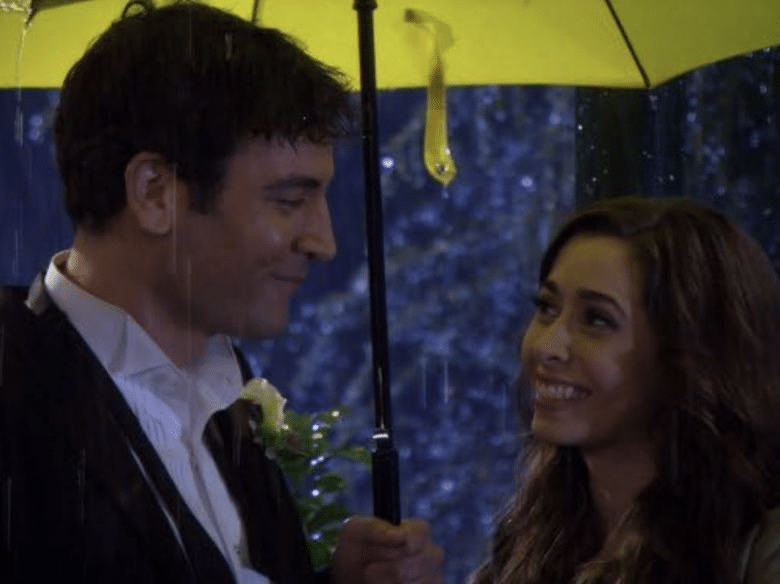
Ted Mosby — How I Met Your Mother
Screen Rant notes that the writers may have been partially aware of the problem, given that they created an in-universe film called The Wedding Bride in which a fictionalized version of Ted was portrayed as insufferable. The show ran eight more seasons after that. Ted’s specific variety of unlikability was the gap between how he perceived himself, as a hopeless romantic and genuinely good person, and how his behavior actually read, which was considerably more selfish and more convinced of his own specialness than the evidence supported.
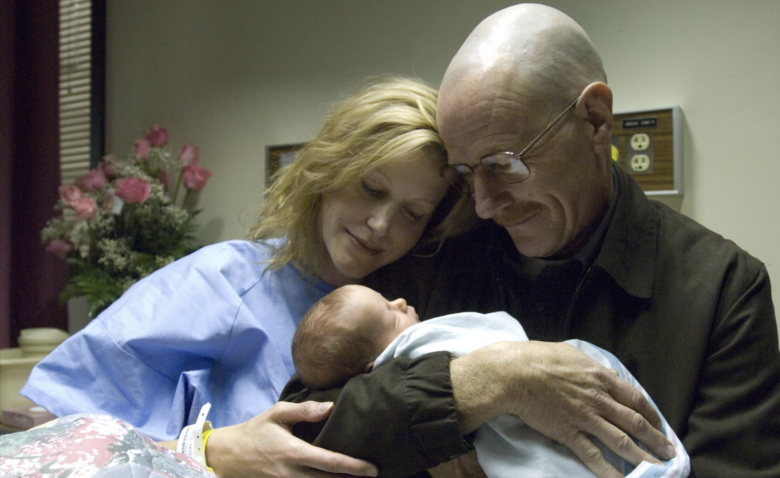
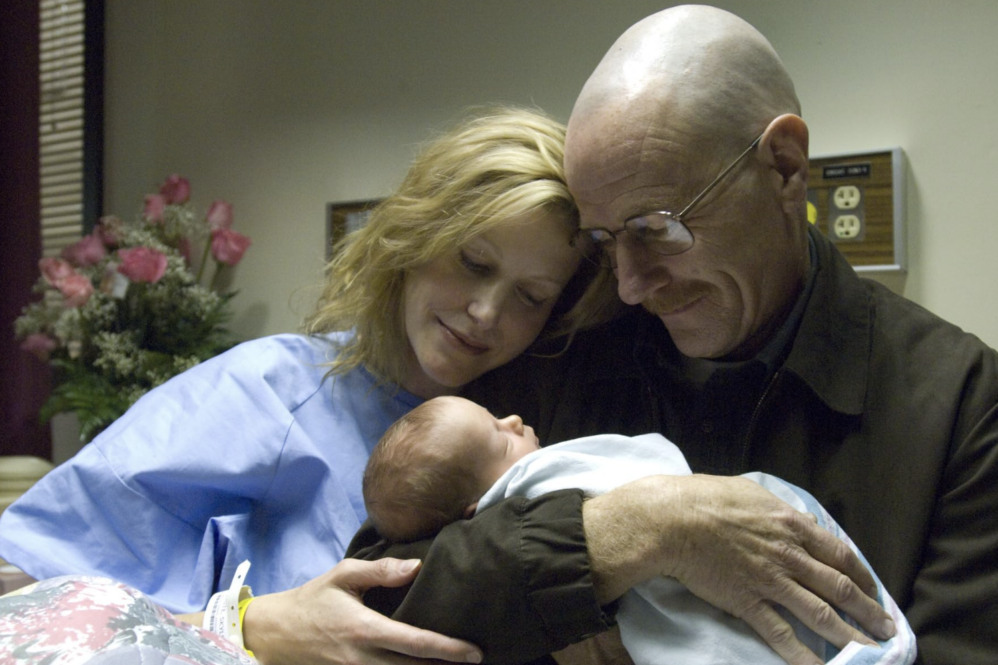
Skyler White — Breaking Bad
The Skyler problem is different from the others because she was mostly right. Screen Rant documents the dynamic clearly: audiences rooting for Walter White, a man doing monstrous things, found Skyler’s resistance to those things grating rather than reasonable. The frustration with her was essentially frustration that someone in the story kept pointing out what the audience was choosing to overlook. She wasn’t unlikable so much as inconvenient to the experience people were trying to have.
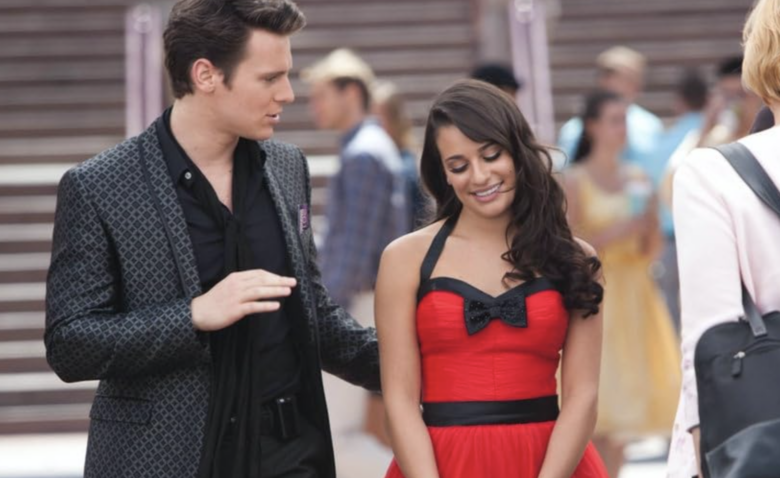
Rachel Berry — Glee
Screen Rant describes Rachel as the embodiment of white feminism in a show with a diverse ensemble, always needing to be the center of attention in a context where that instinct exacted real costs on those around her. She was also the character the show most wanted the audience to admire. The gap between what the writers intended and what the audience experienced is probably the most instructive reason Glee was such a complicated viewing experience from the beginning.
The bottom line
The characters on this list reveal something consistent about how audiences process narrative sympathy: it can be assigned by the structure of a story but it cannot be manufactured. A show can tell you who to root for. It cannot make you feel it. When the gap between those two things opens wide enough, the character on the wrong side of it becomes one of the most frustrating presences on television, regardless of how the writers intended them.
Ask us! What questions do you have about content, strategy, pop culture, lifestyle, wellness, history or more? We may use your question in an upcoming article!
Related:
- Nostalgic gold: 1980s cartoons worth rewatching as an adult
- Fun things we could do in the ’80s that today’s kids just can’t
Like MediaFeed’s content? Be sure to follow us.
This article was syndicated by MediaFeed.co.