

12 vacation nightmares that make seasoned travelers glad they didn’t skip insurance
The travelers most passionate about travel insurance are never the ones who bought it and never used it. They are the ones who needed it and had it (or needed it and did not). The stories tend to be specific and they tend to involve numbers that feel unreal until they are on a bill with your name on it.
NerdWallet documents average trip costs rising 7% to $7,900 in 2025. InsureMyTrip covers the coverage scenarios in detail. NerdWallet’s guide to the best travel insurance covers what to look for before buying.
Twelve scenarios, below.
1. Medical evacuation from a remote destination
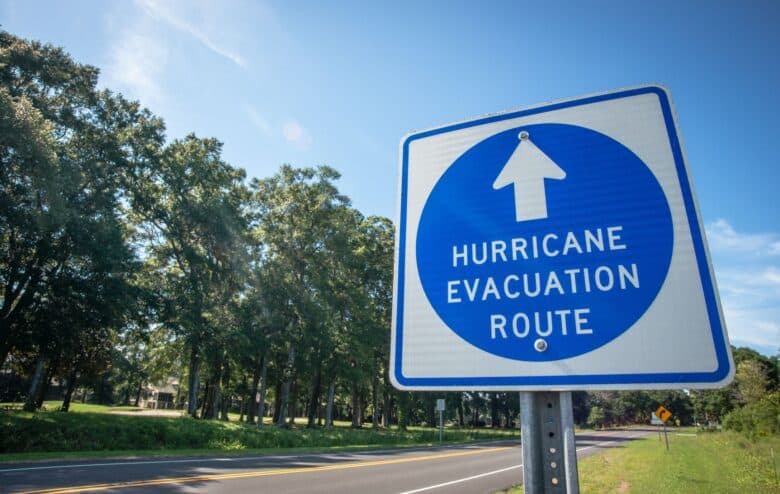
Emergency air evacuation to adequate medical care can cost between $50,000 and $250,000, depending on the distance and aircraft required. NerdWallet identifies this as the single most financially catastrophic risk in international travel. Standard health insurance, including Medicare, does not cover it. The policy that does costs a fraction of what the helicopter does.

2. A cardiac event on a cruise ship
Cruise ships have medical facilities. They are not cardiac centers. If something serious happens at sea, the ship may need to divert to the nearest port, and the care required may exceed what is available there. NerdWallet notes cruise-specific policies exist for exactly this reason, covering both onboard care and evacuation costs the cruise line will not absorb.

3. A hurricane hitting a Caribbean resort mid-booking
You paid $6,000 for a resort week, and a hurricane is forecast to make landfall on day two. The resort is closed. The airline canceled the flight. Without trip cancellation coverage, the money is gone. InsureMyTrip documents weather events as one of the most commonly triggered coverage scenarios. The coverage must be purchased before the storm is named. After that, it is a known event and most policies will not cover it.

4. A flight cancellation cascade that strands you for four days
The summer 2024 airline system failures produced 7,000 delayed flights and 2,500 cancellations in a single event. Hotels, meals, rebooking fees and missed connections added up fast. NerdWallet notes that travel delay coverage reimburses reasonable expenses when the delay exceeds a specified threshold. Airlines are required to compensate in some scenarios but routinely take months to process claims.

5. A broken leg in a country where your coverage does not apply
Most US health insurance plans do not cover medical care abroad. A broken leg requiring surgery in Europe can generate a bill of $20,000 to $40,000 that the traveler is responsible for before any reimbursement process begins. NerdWallet lists travel medical coverage as essential for any international trip, particularly for travelers with pre-existing conditions who should specifically seek waiver policies.

6. A family emergency that forces early departure
The trip is going perfectly. Then, a parent is hospitalized at home and everything needs to end immediately. Rebooking an international flight at the last minute during peak season is not a small cost. Trip interruption coverage reimburses non-refundable costs for the unused portion, plus the cost of additional transportation home. InsureMyTrip lists family medical emergencies among the most commonly triggered interruption claims.

7. Lost luggage containing medication
Delayed or lost baggage containing prescription medication creates an urgent practical problem beyond the inconvenience. Replacing controlled medications in a foreign country can be impossible or require days of documentation. NerdWallet notes baggage coverage typically reimburses for essential items purchased after a delay threshold is met. Carry prescription copies separately. Document everything before departure.

8. A political crisis that makes the destination unsafe
A travel advisory is issued. The State Department recommends departure. The hotel is non-refundable. InsureMyTrip documents how advisories interact with coverage — emergency evacuation may apply but trip cancellation depends on when the policy was purchased relative to when the advisory was issued. Cancel for Any Reason coverage is the only policy that offers flexibility, regardless of the trigger.

9. A travel companion’s illness that cancels both travelers
Two people book a trip. One gets seriously ill before departure and cannot travel. The other one (not necessarily sick) loses the entire non-refundable deposit unless the policy covers cancellation due to a companion’s illness. NerdWallet identifies this as a commonly overlooked provision. Standard policies typically do cover it. The coverage applies to the companion’s circumstances, not just your own.

10. A rental car accident where your coverage does not apply
Credit card rental coverage is not universal. Many cards exclude certain countries, vehicle categories or certain damage types. NerdWallet notes that rental car collision coverage in a travel policy can fill those gaps. In countries where liability exposure differs significantly from the US, the stakes are considerably higher than a fender-bender at home.

11. A pre-existing condition flare-up abroad
Pre-existing conditions are excluded from most standard travel medical policies unless a waiver is purchased — typically within 14 to 21 days of the initial trip deposit. NerdWallet calls this the most commonly misunderstood coverage provision. Travelers who wait to purchase insurance often discover the condition they most needed coverage for is the one the policy excludes.
12. A natural disaster that closes the destination entirely
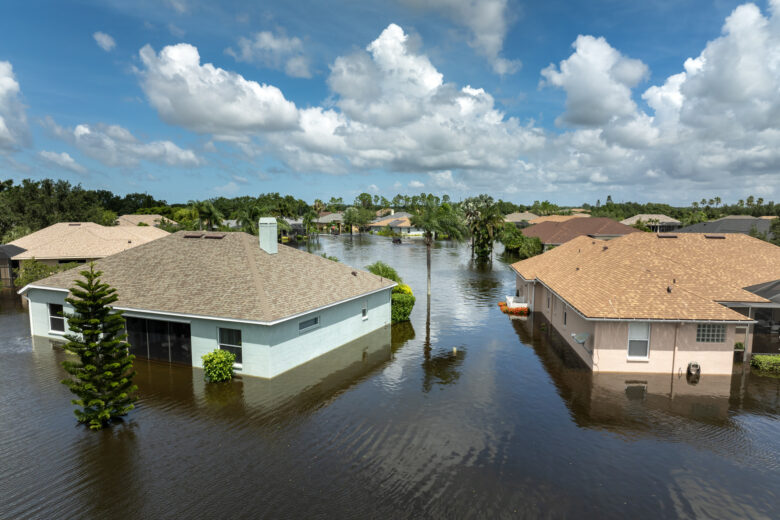
An earthquake, wildfire or flood makes the destination inaccessible after the trip is booked. The hotel is gone. The tour is canceled. InsureMyTrip documents unforeseen natural disasters as a standard covered reason in most comprehensive policies. The word unforeseen matters. Once the event is known and forecasted, the coverage window closes.

The bottom line
Travel insurance does not make bad things stop happening. It makes the financial consequences manageable rather than catastrophic. The seasoned travelers who buy it every time are not pessimists. They are people who have done the math at least once and decided the premium is considerably less frightening than the alternative.
Ask us! What questions do you have about content, strategy, pop culture, lifestyle, wellness, history or more? We may use your question in an upcoming article!
Related:
- Hidden gems to visit in every state
- 9 once-loved American destinations that have been ruined by tourism
Like MediaFeed’s content? Be sure to follow us.
This article was syndicated by MediaFeed.co.



