
States where seniors rely on Medicaid the most
Medicaid is one of the largest health insurance programs in the United States, and the degree to which a state’s population depends on it varies dramatically from one side of the country to the other. With some Medicaid funds under scrutiny and political pressure on the program intensifying, understanding which states have the most at stake has never been more relevant.
The data below comes from a February 2026 study by SmartAsset, authored by certified financial planner Jaclyn DeJohn, which ranked all 50 states by the percentage of their population enrolled in Medicaid or CHIP as of October 2025. Enrollment figures come from Medicaid.gov’s open data platform, with population comparisons drawn from the U.S. Census Bureau’s 2024 American Community Survey.
On average, 21.7 percent of a state’s population is enrolled.

The most dependent states
California
California leads the country with 33.1 percent of its population enrolled, totaling 13,065,328 beneficiaries. A 96 percent managed care enrollment rate means nearly all recipients receive coordinated care through health plans rather than fee-for-service billing.

New York
New York follows at 32.7 percent, with 6,504,286 enrollees. Its managed care enrollment sits at 68.2 percent, meaning a higher share of New York beneficiaries use traditional fee-for-service coverage than in most other high-enrollment states.

New Mexico
New Mexico ranks third nationally at 32.3 percent, with 687,427 total enrollees. Its managed care rate of 81.6 percent reflects a system that has broadly shifted toward coordinated plan-based coverage.

Louisiana
Louisiana enrolls 30.9 percent of its population, totaling 1,421,099 beneficiaries. Its average call center wait time of just three minutes places it among the most responsive state Medicaid offices in the country.

Oregon
Oregon rounds out the top five at 30.5 percent, with 1,303,752 enrolled. At 97.7 percent managed care enrollment, it has one of the highest rates of coordinated care delivery of any state in the nation.
The least dependent states
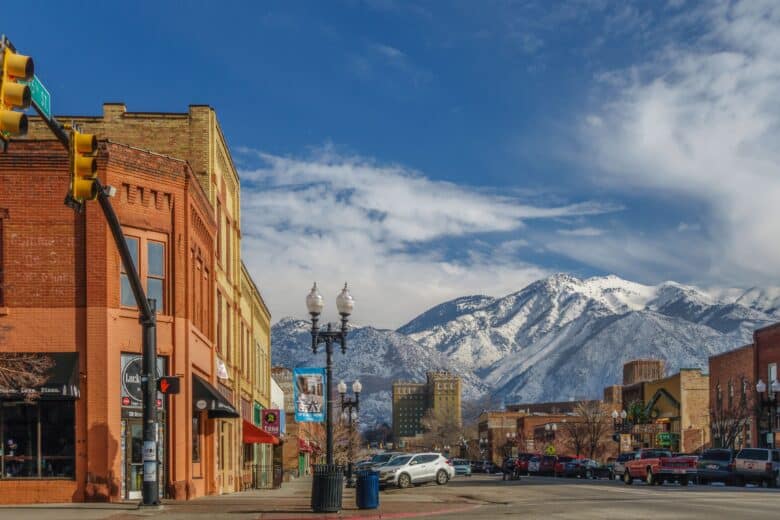
Utah
Utah has the lowest Medicaid enrollment rate in the country at just 9.5 percent, with 332,621 beneficiaries. Even here, roughly one in ten residents depends on the program, illustrating how foundational Medicaid is even in states with strong resistance to federal healthcare expansion.

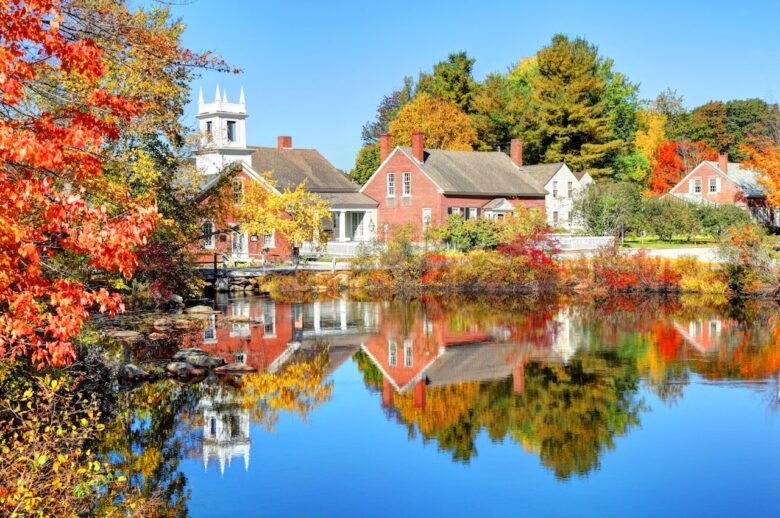
Wyoming
Wyoming follows at 10.2 percent, with 59,714 total enrollees. The state does not report managed care enrollment figures, indicating a system that relies entirely on fee-for-service delivery.
New Hampshire
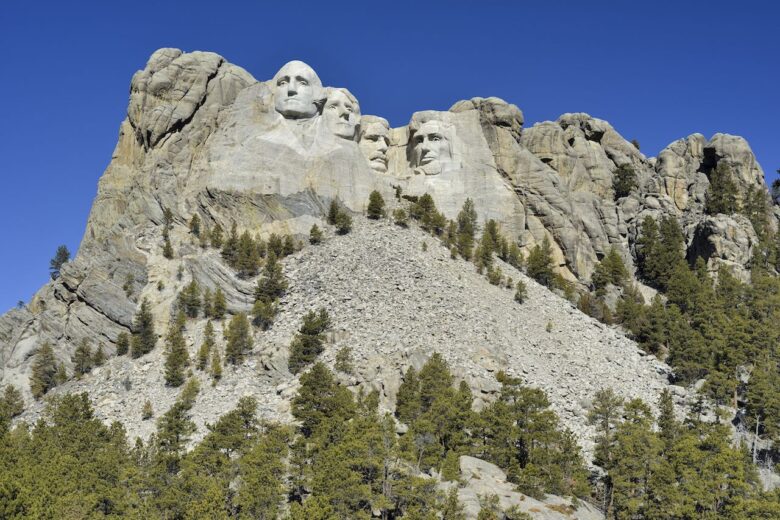
At 12.7 percent, New Hampshire enrolls 178,189 residents in Medicaid or CHIP. Its 91.1 percent managed care rate reflects a heavily coordinated delivery model despite low overall enrollment.
North Dakota
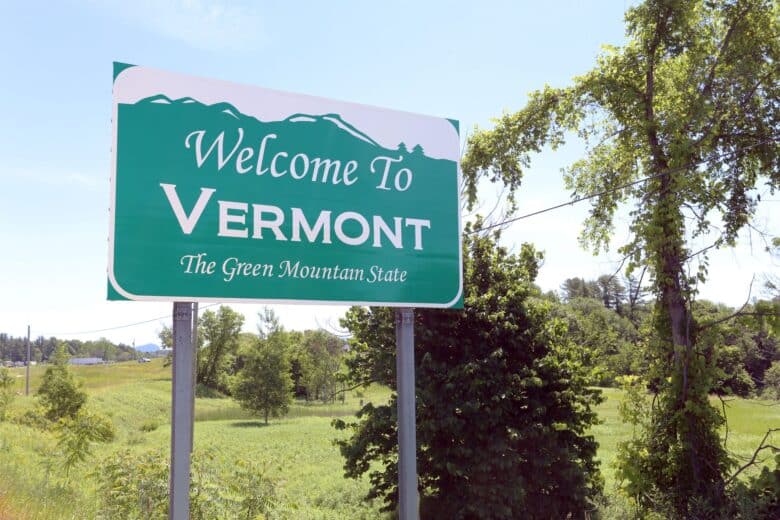
North Dakota enrolls 13.2 percent of its population, totaling 105,481 beneficiaries. Only 23.2 percent are in managed care plans, making it one of the most fee-for-service-reliant states among low-enrollment states.

Texas
Texas enrolls 13.3 percent of its population despite having 4,148,608 total beneficiaries, the largest absolute number of any state in the least-dependent group. Its 92.8 percent managed care rate and one-minute average call center wait time reflect a large but efficiently administered program.

Where wait times are longest
Nevada
Nevada has the longest average Medicaid call center wait time in the country at 71 minutes, affecting 22.7 percent of its population enrolled. Its 74.4 percent managed care rate leaves a significant share of beneficiaries navigating fee-for-service systems.

Idaho
Idaho averages 61-minute call center wait times, with 15.6 percent of its population enrolled. Notably, 93.6 percent of Idaho’s enrollees use fee-for-service coverage, the second-highest rate in the country.

Georgia
Georgia averages 35-minute wait times, with 16.7 percent of its population enrolled and 1,872,027 total beneficiaries. Its 68.9 percent managed care enrollment reflects a system still heavily reliant on fee-for-service delivery.

Oklahoma
Oklahoma averages 31-minute wait times, enrolling 24.2 percent of its population. Only 54.6 percent of enrollees are in managed care plans, well below the national average.
How most enrollees receive their care
Vermont and Hawaii
Vermont and Hawaii both report 100 percent managed care enrollment, meaning every Medicaid beneficiary in these states receives coverage through a coordinated health plan rather than fee-for-service billing.
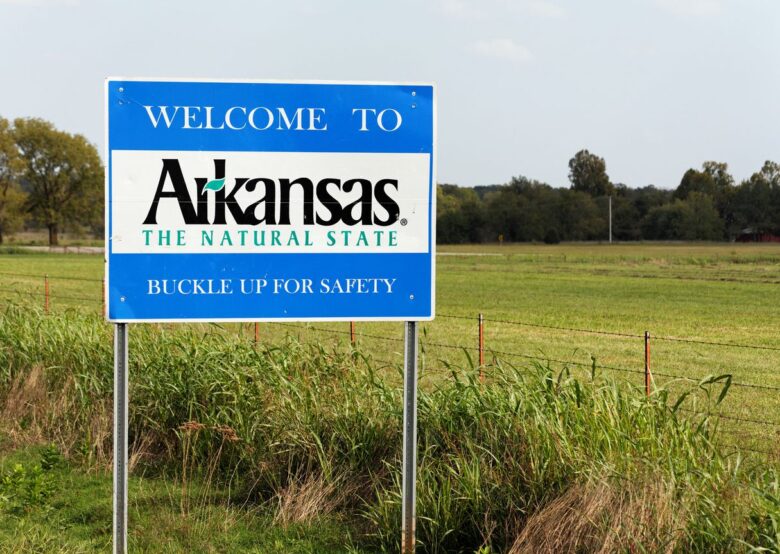
Arkansas
Arkansas sits at the opposite extreme, with only 5.3 percent of its 808,325 enrollees in managed care plans. It is the most fee-for-service-reliant Medicaid system in the country, a structural outlier in a national program that has broadly shifted toward managed care delivery.

Food for thought
The range from Utah’s 9.5 percent to California’s 33.1 percent reflects not just poverty rates and demographics but policy choices about eligibility, administration, and how aggressively each state has pursued federal matching funds. For seniors navigating healthcare costs in retirement, the state they live in shapes not just their tax bill but their access to coverage. The full rankings are available through the SmartAsset study.
Ask us! What questions do you have about content, strategy, pop culture, lifestyle, wellness, history or more? We may use your question in an upcoming article!
Related:
Like MediaFeed’s content? Be sure to follow us.
This article was syndicated by MediaFeed.co.