Can’t Sleep? Here’s Why You Should Get Out of Bed
Most of us have been there.
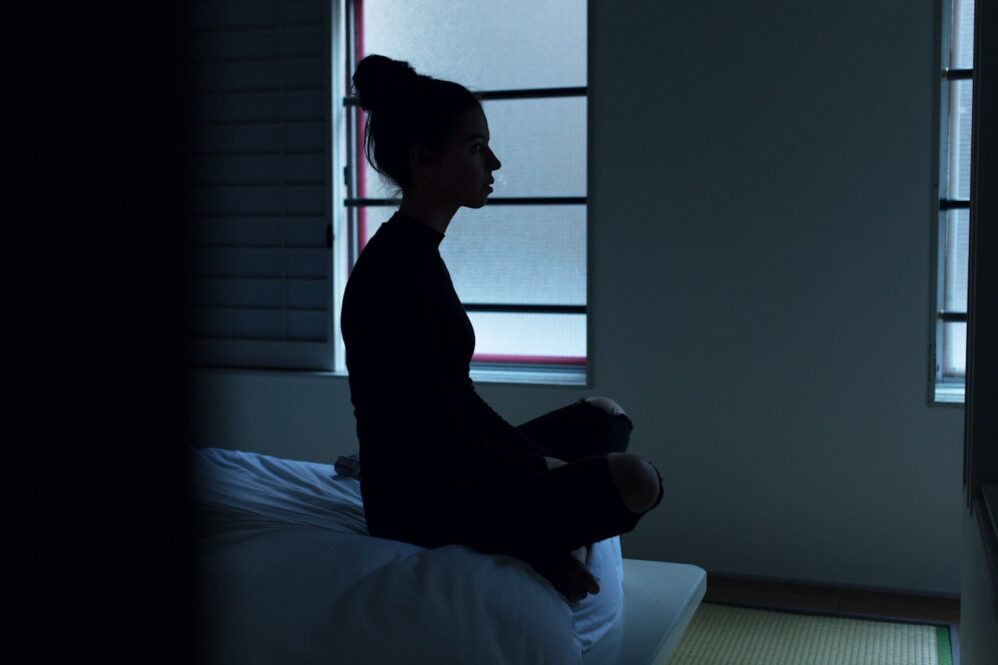
You crawl into bed exhausted, ready for a good night’s sleep. Then suddenly your brain decides it’s the perfect time to replay awkward conversations from 2017, plan next week’s grocery list, and wonder whether penguins have knees. The harder you try to fall asleep, the more awake you become.
Ironically, sleep experts say one of the worst things you can do is stay in bed endlessly trying to force sleep. If you’re lying awake for more than 15 to 20 minutes, getting up may actually help you fall asleep faster. Here’s why.

10. Your Bed Should Be Associated With Sleep
Sleep specialists often talk about “stimulus control,” which sounds complicated but is actually simple. Your brain creates associations. If you regularly sleep in bed, your brain learns that bed equals sleep. But if you regularly lie awake stressing, scrolling, worrying, or staring at the ceiling, your brain starts learning that bed equals being awake. That’s not a connection you want.

9. Lying Awake Can Create a Frustration Loop
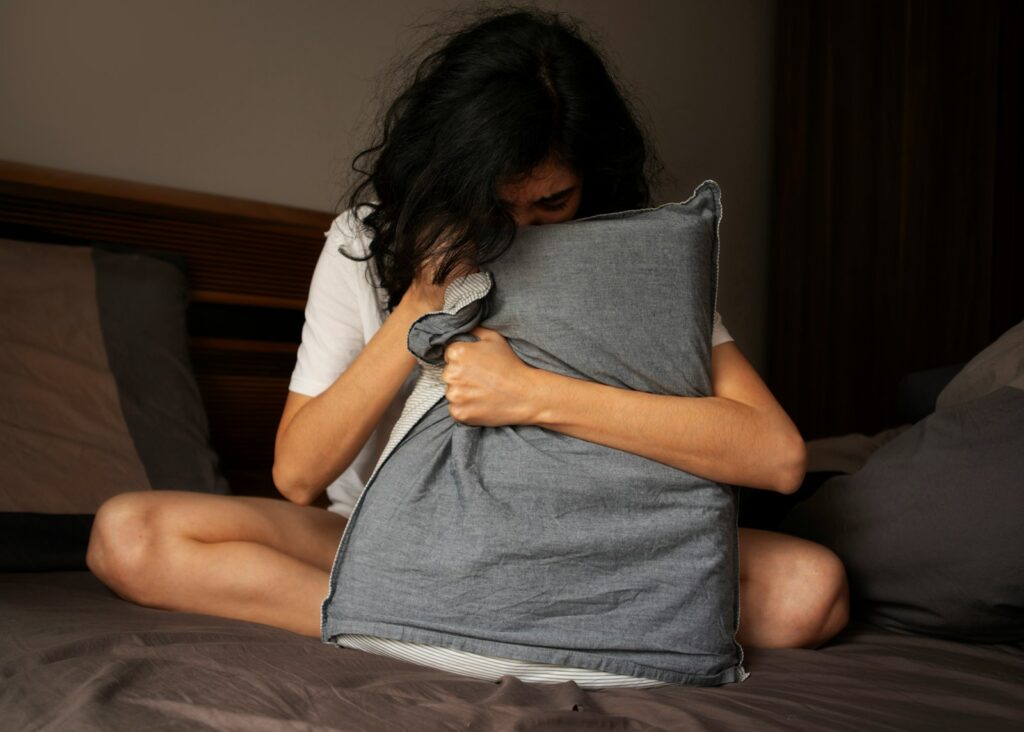
The longer you stay awake in bed, the more frustrated you often become. Then the thoughts start rolling in: Why can’t I sleep? How many hours do I have left? Tomorrow is going to be awful. Why is this happening again? That frustration creates stress, and stress is not exactly a sleep aid.

8. Sleep Isn’t Something You Can Force
Trying to force yourself to sleep is a lot like trying to force yourself to relax. The effort itself becomes part of the problem. The more pressure you place on yourself, the more alert your brain becomes, which is the exact opposite of what you need to drift off.
7. Getting Up Interrupts the Cycle
When sleep isn’t happening, getting out of bed gives your brain a reset. Instead of staying trapped in a cycle of frustration, you shift your environment and allow your body to relax naturally. Think of it as pressing the reset button rather than fighting a losing battle.
6. Keep the Lights Low
If you do get up, avoid bright lights. Bright light tells your brain it’s time to wake up and can suppress melatonin production. A dim lamp or soft indirect lighting works best if you need to leave the bedroom.
5. Avoid Screens
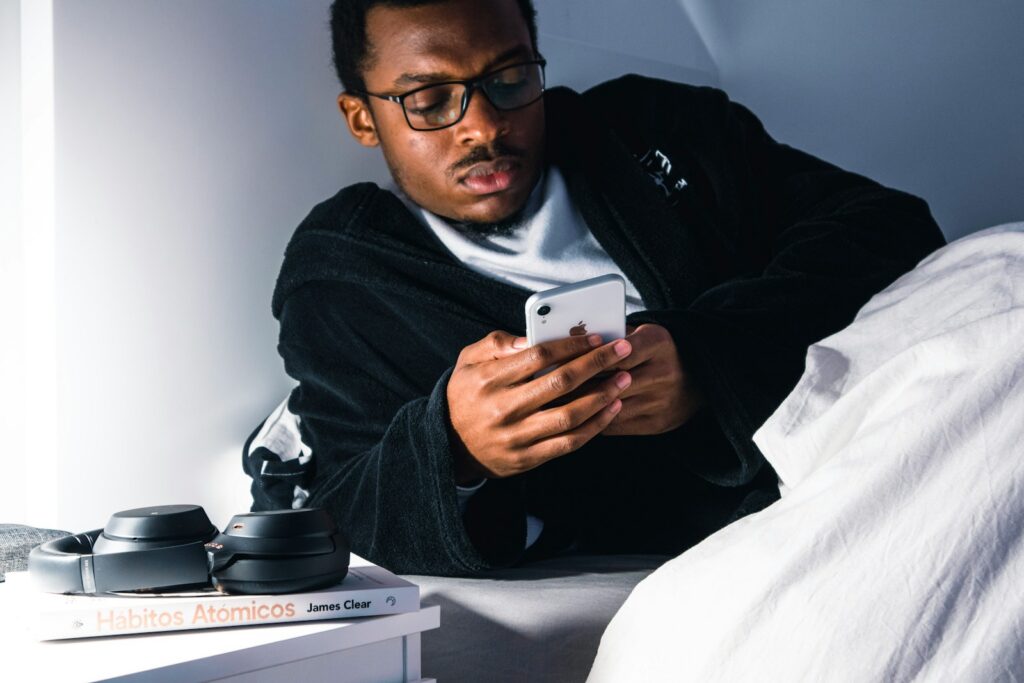
This is where many people accidentally sabotage themselves. Checking email, scrolling social media, or watching videos may seem relaxing, but screens can increase alertness and make it harder to fall asleep. Try to keep phones, tablets, and laptops out of the equation.

4. Choose a Quiet, Relaxing Activity
The goal isn’t to entertain yourself. It’s to stay calm until you feel sleepy again. Good options include reading a physical book, listening to calming music, gentle stretching, journaling, or simple breathing exercises. The less stimulating the activity, the better.

3. Stop Watching the Clock
Few things create anxiety faster than calculating how little sleep you’re about to get. Looking at the clock repeatedly tends to increase stress and make falling asleep harder. If possible, turn the clock away from your bed and resist the urge to check the time.
2. Return to Bed When You Feel Sleepy
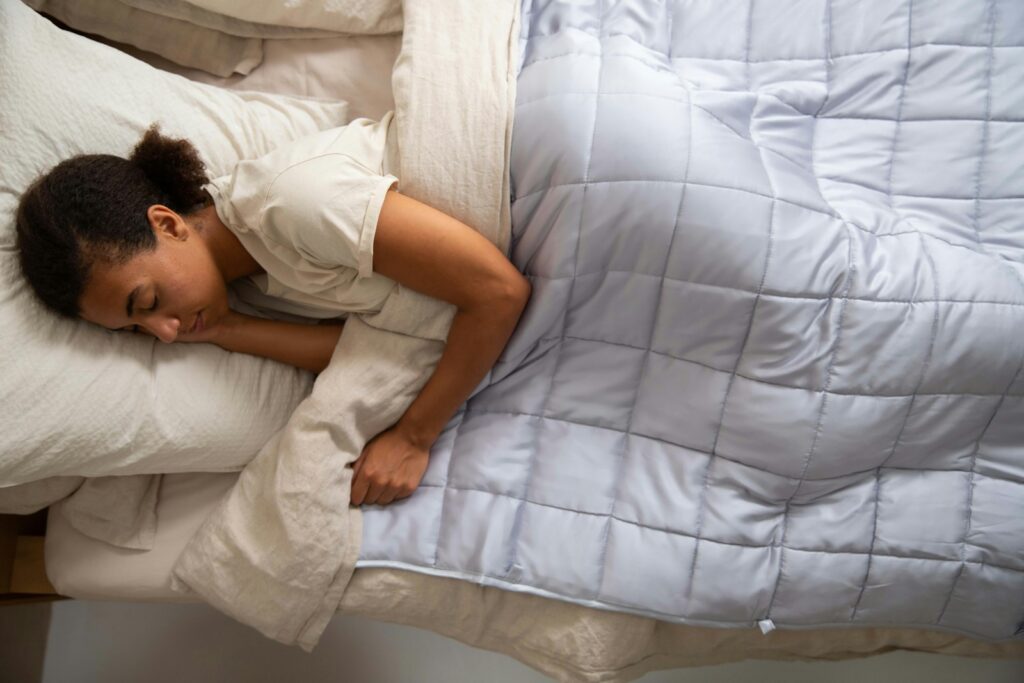
Don’t return to bed simply because you think you should. Wait until your eyes feel heavy and your body starts showing signs of sleepiness. The goal is to reconnect your bed with successful sleep rather than restless wakefulness.

1. Consistency Makes This Strategy Work
Getting out of bed once won’t magically cure insomnia. But over time, consistently leaving the bed when you can’t sleep helps retrain your brain. Eventually, your mind begins to associate the bed with sleeping rather than struggling to sleep. That’s where the real benefit happens.

Sometimes the Best Way to Fall Asleep Is to Stop Trying
It sounds backward, but one of the best ways to fall asleep may be to stop trying so hard. When you stay in bed fighting for sleep, you often create more tension and frustration. By getting up briefly, keeping things calm, and returning only when you’re sleepy, you give your brain a chance to reset. The next time you’re staring at the ceiling at 2 a.m., remember: sometimes the fastest way back to sleep starts with getting out of bed.
Read More:
- 10 Foods That Support Brain Health (Backed by Science)
- 10 Subtle Signs Someone Might Be a Covert Narcissist
- Is Financial Anxiety the New Normal?
Ask us! What questions do you have about content, strategy, pop culture, lifestyle, wellness, history or more? We may use your question in an upcoming article!
Like MediaFeed’s content? Be sure to follow us.
This article originally appeared on Resourcebuzz and was syndicated by MediaFeed.co.