
9 Ways Your Data Creates Value in the AI Economy
The AI boom depends on enormous amounts of information, and much of that information ultimately comes from people. Public websites, books, images, online behavior, licensed datasets, and content submitted directly to digital platforms can all contribute to the broader data economy surrounding artificial intelligence.
Not every click or post is automatically used to train an AI model, and different companies have very different policies. Still, the people who create valuable information rarely receive a direct share of the profits generated when that information is collected, analyzed, licensed, or used to improve technology. Here are nine ways data creates value in the AI economy, and why the companies controlling it often hold the greatest advantage.

9. AI Needs Enormous Amounts of Data
Modern AI systems depend on large quantities of information to recognize patterns and improve their performance.
That data can come from public websites, licensed collections, specialized databases, human feedback, and information submitted to digital services. The exact sources vary from one company and AI system to another.

8. Users Don’t Always Know Where Their Data Goes
Most people interact with dozens of digital services without closely following every change to their privacy policies and terms.
That can make it difficult to understand how information is collected, how long it is kept, or whether it might later be used for purposes beyond the one that originally brought a user to the platform.
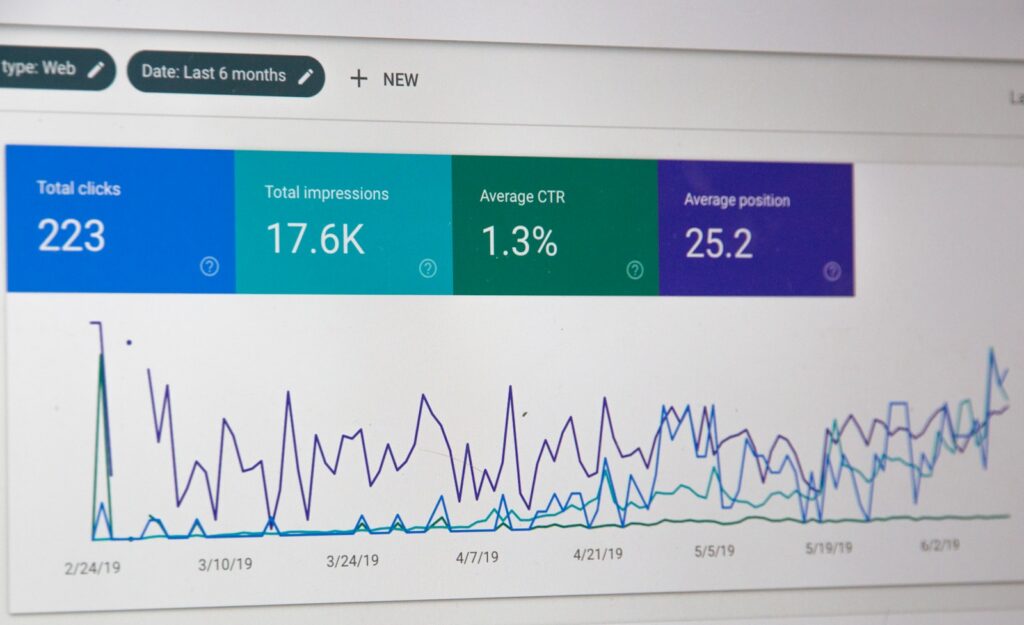
7. Companies Have Learned to Turn Data Into Revenue
Long before the current AI boom, technology companies were already using information about user interests and behavior to power advertising, recommendations, and personalized services.
AI creates even more potential value from large collections of information. The companies able to organize and analyze that data are often in the strongest position to profit from it.

6. Better Data Can Build Better AI
AI development isn’t simply a race to collect the largest possible amount of information.
The quality, relevance, diversity, and accuracy of training data all matter. Companies with access to valuable, well-organized datasets may have a major advantage over competitors trying to build similar systems.

5. AI Creates New Privacy Questions
Artificial intelligence has added another layer to long-running concerns about digital privacy.
Regulators and privacy advocates are examining how personal information is collected, stored, analyzed, and reused by AI systems. Questions also remain about whether people always receive enough information about how their data may be used.

4. Your Data Rights Depend on Where You Live
There is no single global set of rules governing information connected to individuals.
Depending on where you live, you may have rights to access, correct, delete, or limit certain uses of your personal data. Those protections vary widely, however, and exercising them isn’t always simple.

3. Creators Are Fighting Over Who Gets Paid
Books, articles, artwork, photographs, videos, and other human-created material can be extremely valuable to companies developing AI systems.
Some technology companies have signed licensing agreements with publishers and other content owners, while lawsuits and policy debates continue over material used without direct compensation to individual creators. The fight over who deserves payment is far from settled.

2. The Companies Controlling the Data Hold an Advantage
Information becomes especially valuable when someone has the computing power and technology needed to analyze it at scale.
That gives large companies with extensive datasets, infrastructure, and financial resources a significant advantage in the AI economy. Individual users may help create valuable information, but they rarely control the systems that turn it into commercial products.

1. New Models Could Give People a Greater Share
Some researchers and advocates are exploring ways to give people more control over the economic value created from data.
Ideas include data cooperatives, collective bargaining models, licensing systems, and other arrangements that could allow people to negotiate how information is used. These approaches remain experimental, but they reflect a growing debate over who should benefit from the data-driven economy.
Read More:
- 10 Ways AI Is Changing What Students Choose to Major In
- 10 Ways AI is Impacting Hollywood Right Now
- 10 Questions to Ask Before Letting ChatGPT See Your Finances
Ask us! What questions do you have about content, strategy, pop culture, lifestyle, wellness, history or more? We may use your question in an upcoming article!
Like MediaFeed’s content? Be sure to follow us.
This article originally appeared on Resourcebuzz and was syndicated by MediaFeed.co.