
10 Ways ’70s Kids Knew It Was Time to Come Home
For many kids growing up in the 1970s, playing outside didn’t come with a scheduled pickup time. You left the house, found other kids, and wandered through the neighborhood until something told you it was time to head back.
There were no phones buzzing with messages from home and no apps showing parents exactly where their children were. Instead, kids relied on porch lights, church bells, television schedules, and a collection of unwritten rules that everyone somehow understood. Here are 10 ways ’70s kids knew it was time to come home.
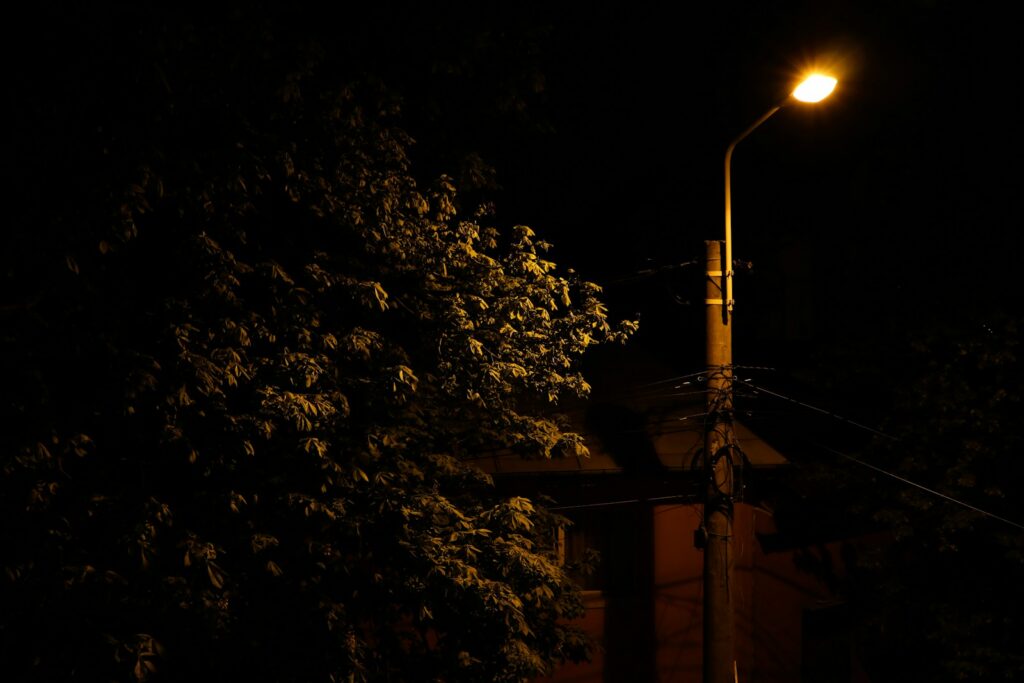
10. The Streetlights Came On
This may have been the most famous childhood deadline of the era.
Many kids were given one simple instruction before leaving the house: be home when the streetlights come on. Nobody needed to know the exact time. Once those lights started flickering to life, the neighborhood suddenly emptied.

9. Someone’s Mom Started Calling Names
Long before parents could send a text, they had another communication system: yelling.
One parent would step onto a porch and call a child’s name across the neighborhood. If you heard your own name, you went home. If you heard your friend’s name, you knew the fun was probably ending anyway.
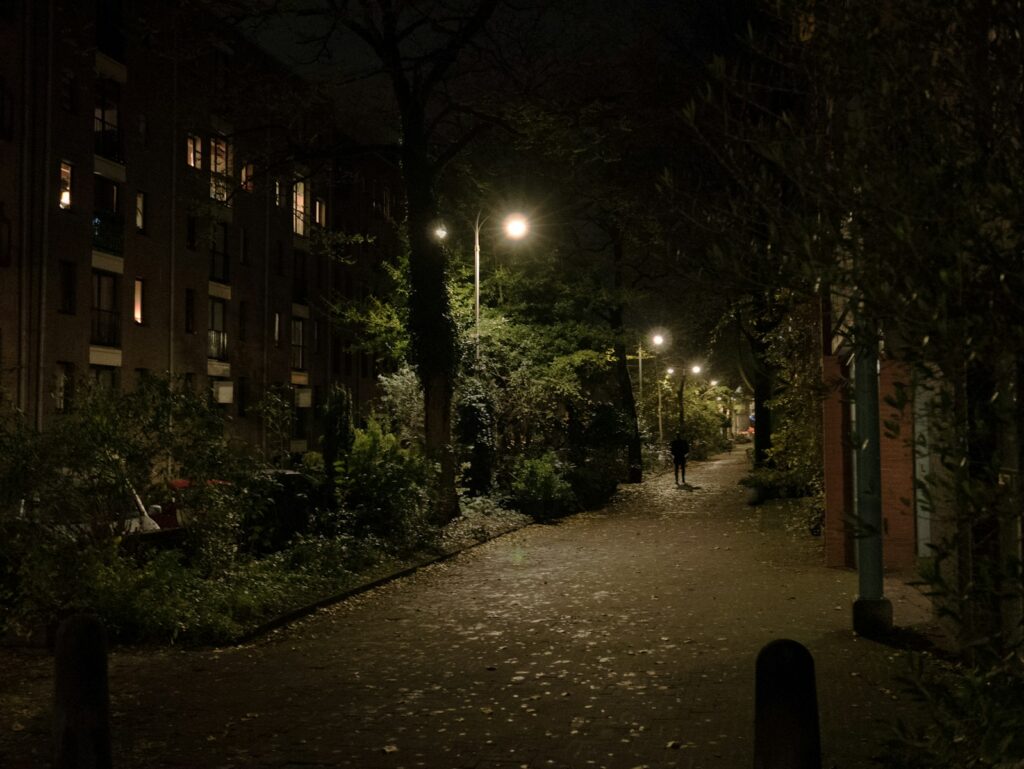
8. The Other Kids Started Disappearing
Sometimes nobody had to tell you anything.
One by one, bikes vanished from the sidewalk and friends started heading toward their own houses. Once you realized you were the last kid still standing around, it was probably time to go home.

7. The Church Bells Rang
In some towns and neighborhoods, church bells were part of the daily soundtrack.
Their evening ringing could serve as an unofficial time check for children who weren’t wearing watches. When familiar bells sounded, kids knew the afternoon was winding down.
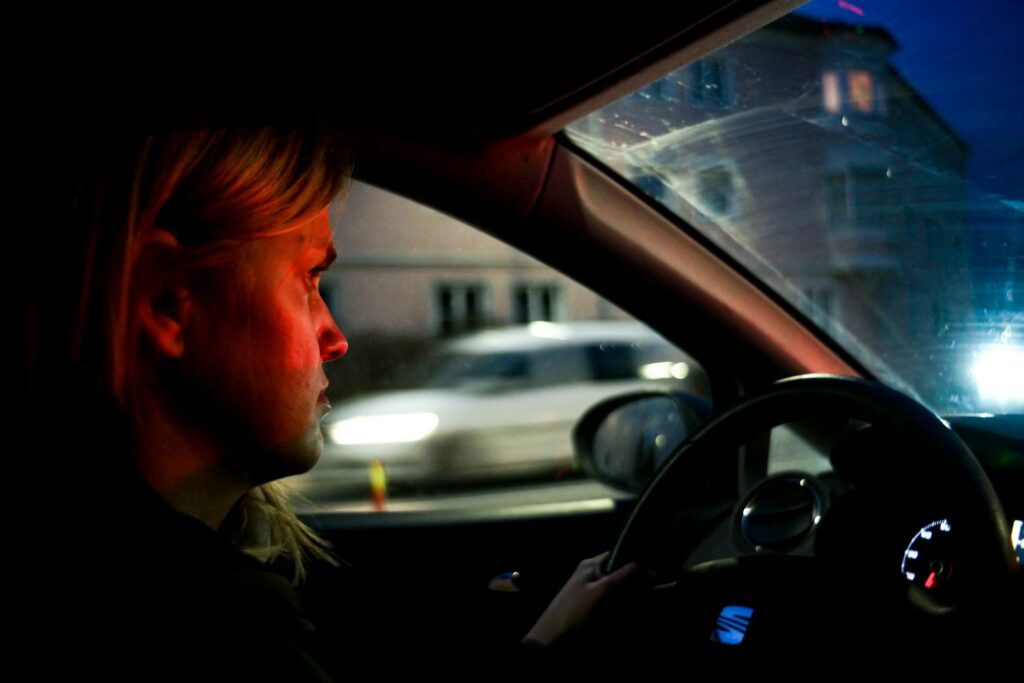
6. A Parent Drove Around Looking for You
This was the 1970s version of location tracking.
If you had stayed out too long, a familiar car might suddenly appear at the end of the street. Seeing your parent slowly driving through the neighborhood was usually a sign that you should get home immediately.

5. You Heard a Familiar Car Horn
Some families developed their own neighborhood signals.
A particular honk from the driveway or street could mean dinner was ready, it was getting late, or your parents had run out of patience. Kids quickly learned to recognize their family’s personal call home.

4. The Evening News Was About to Start
Television schedules helped organize the entire household.
In many homes, dinner happened before or around the evening news, which meant kids learned to associate familiar programs and broadcast times with heading home. If you wanted to eat while the food was still warm, you knew roughly when to start moving.

3. You Could Smell Dinner From Outside
Open windows and screen doors could broadcast the evening menu to the entire block.
The smell of something cooking was sometimes enough to remind kids that they had a home and a family expecting them. If the smell was coming from your own house, the message was even clearer.

2. The Older Kids Went Home
Neighborhoods often had their own informal hierarchy, and younger kids paid attention to what the older ones did.
When the teenagers abandoned the basketball court, the older siblings called it a night, or the last big kids rode away on their bikes, younger children knew the day was officially winding down.

1. It Got Too Dark to See What You Were Doing
Sometimes the only clock was the sky.
Kids kept playing until they could no longer see the ball, find the bicycle they had dropped in the grass, or recognize who was standing across the yard. At that point, even the most determined holdouts had to admit the day was over and head home.
Read More:
- If You Grew Up in the ’70s, These 30 Things Will Hit Home
- 10 Sounds Every ’80s Kid Remembers
- 10 Things Every Kid Carried in the 1980s
Ask us! What questions do you have about content, strategy, pop culture, lifestyle, wellness, history or more? We may use your question in an upcoming article!
Like MediaFeed’s content? Be sure to follow us.
This article originally appeared on Resourcebuzz and was syndicated by MediaFeed.co.