Gone but not forgotten: Photos of classic mall stores we miss
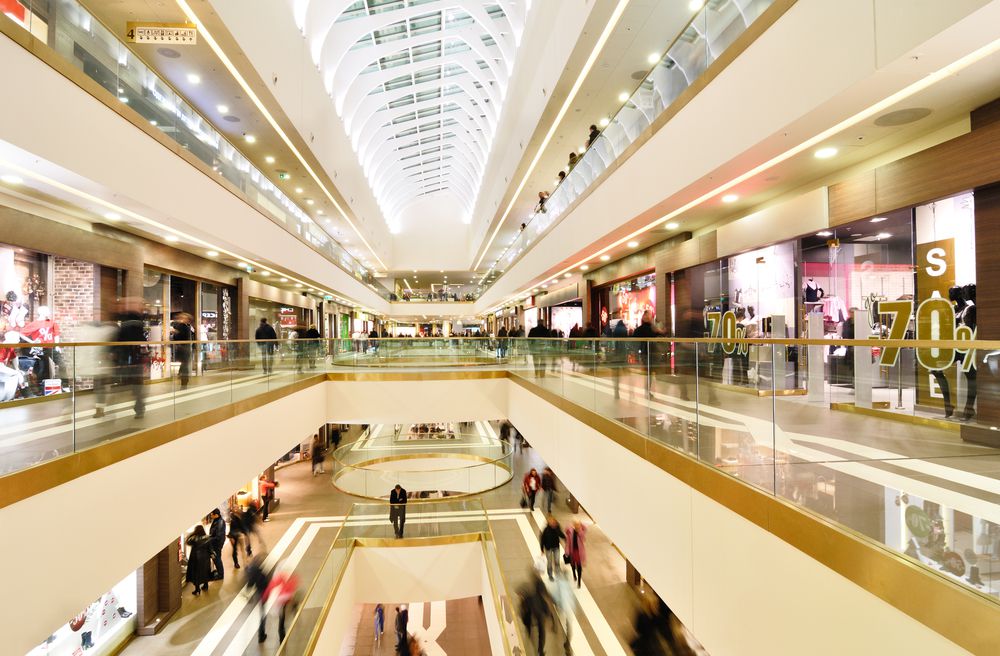
There was a specific ritual to the Saturday mall visit. You knew which door you entered from, which anchor store anchored your side, and exactly which route took you past the stores that actually mattered. The food court was the destination, and the whole afternoon was the point. It did not matter much what you bought.
It mattered who you ran into.
Those stores are largely gone now, closed by the same combination of online shopping, big-box competition, and shifting taste that reshaped retail in the 1990s and finished the job in the 2000s. What they left behind is harder to measure. These are the ones that earned a place in the memory and never quite left.

Sam Goody
Before streaming existed, Sam Goody was where you went to own music. The neon sign was visible from the other end of the mall. You walked in knowing what you wanted and left with three things you had not planned on. At its peak, the chain ran over 750 locations. Best Buy acquired it in 2000, and most stores became FYE by 2006.

Waldenbooks
Waldenbooks was the mall bookstore for anyone who did not live near a proper one, which was most of America. By the mid-1980s, it had grown to over 1,200 locations. Kmart acquired it in 1984, Borders absorbed it years later, and when Borders filed for liquidation in 2011, Waldenbooks went with it.
B. Dalton Bookseller
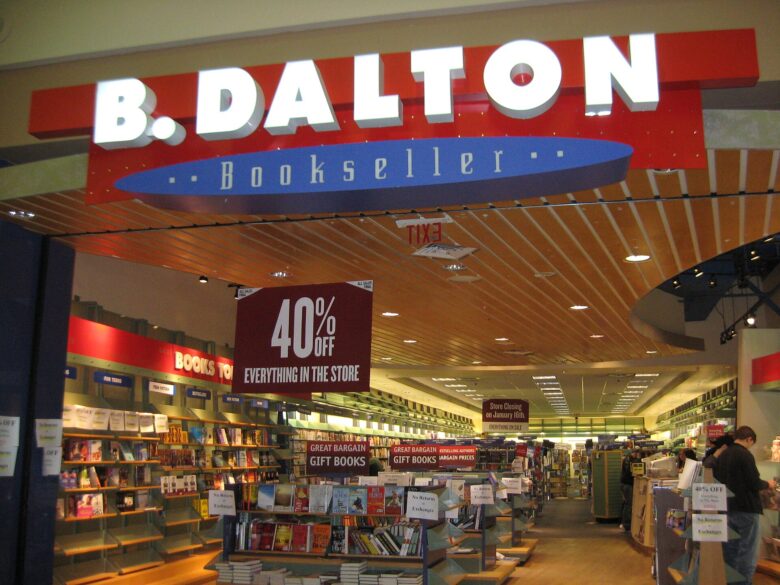
B. Dalton was the other mall bookstore, and the debate over which was better was genuinely tribal. Founded in 1966, it peaked at nearly 800 locations. Barnes & Noble acquired it in 1987 and operated it separately before closing the last stores in 2013.
Lerners / New York & Company
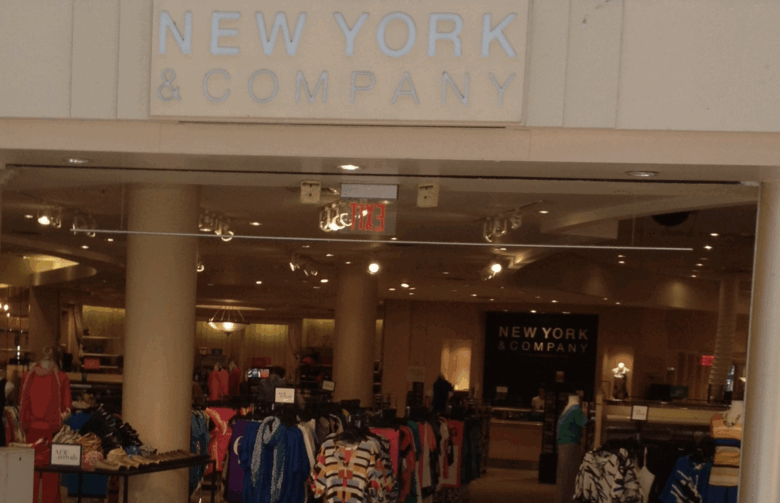
Lerners was the women’s clothing store that felt designed for actual people rather than mannequins. Founded in 1918, it became New York & Company in 1999. The blazers, the separates, the glass display tables with color-sorted stacks: aspirational without being expensive.

Musicland
Musicland was the slightly more serious cousin to Sam Goody, its layout rewarding browsing in a way the flashier chains did not. At its height, the group operated over 3,500 stores. The entire empire dissolved by 2003 when digital downloads removed the floor from under it in under five years.
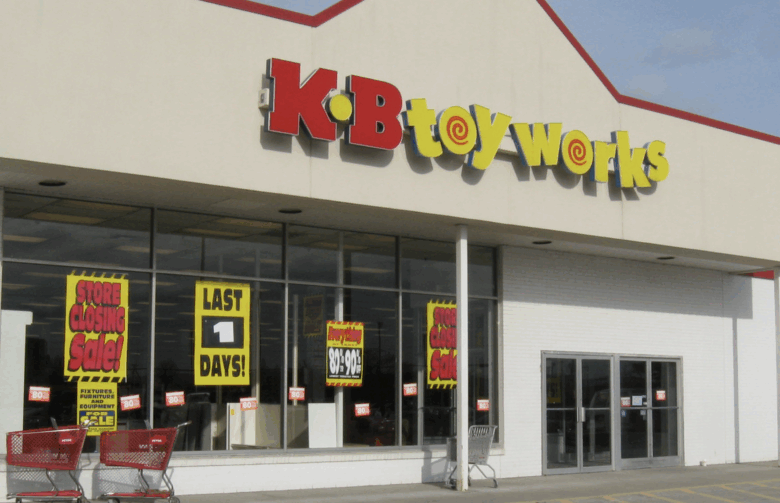
KB Toys
KB Toys was the toy store you went to when you were not at a department store. Wall-to-wall action figures, a clearance bin you never stopped hoping would contain something miraculous. The chain filed for bankruptcy in 2008 after a leveraged buyout, online competition, and the recession arrived in sequence.
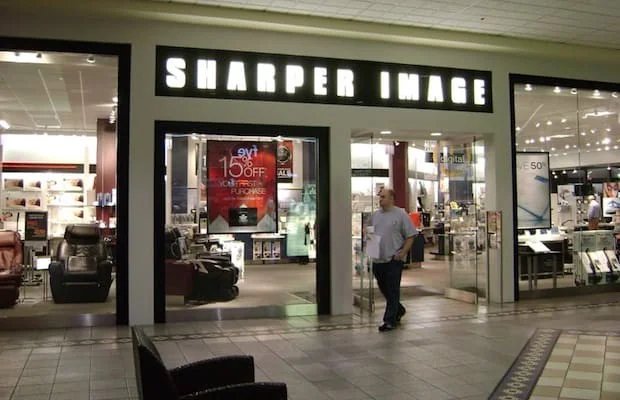
Sharper Image
Sharper Image was the store you visited to touch things you would never buy. The massage chairs, the ionizers, the gadgets that solved problems you did not know you had. It filed for bankruptcy in 2008. The brand exists online now, but the experience of handling twelve things and buying none of them is gone.
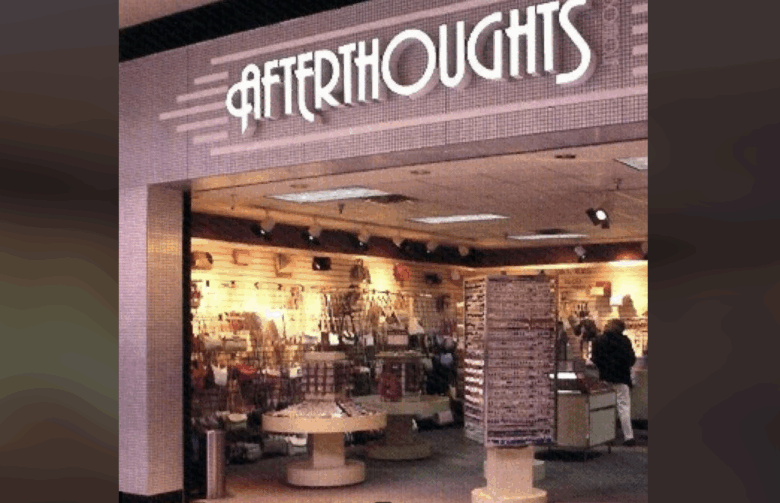
Afterthoughts
Afterthoughts occupied a specific moment in teenage life, somewhere between wanting to look older and not being allowed to. Earrings, headbands, hair clips in every color. Claire acquired it in the late 1990s and absorbed it entirely.

Takeaway
The mall is not what it was. These stores were not just retail. They were the architecture of a Saturday afternoon and the geography of growing up. Most of them are not coming back, but for anyone who stood in them, they never quite left.
Ask us! What questions do you have about content, strategy, pop culture, lifestyle, wellness, history or more? We may use your question in an upcoming article!
Related:
- 7 defunct burger joints that will hit you right in the nostalgia
- Old-school, discontinued fast food menu items that give us serious nostalgia
Like MediaFeed’s content? Be sure to follow us.
This article was syndicated by MediaFeed.org.