
9 Eating Habits That May Lower Dementia Risk by 30%
Alzheimer’s disease is a concern for many as they age, with its onset often masked by years of silent biological changes. Yet, recent studies suggest that it’s never too late to make dietary changes that could impact brain health positively. A new study published in JAMA Network Open highlights the role of diet in potentially reducing dementia risk, even when early signs of Alzheimer’s are present.
The research followed nearly 1,900 adults over 15 years, revealing that certain eating patterns, particularly those reducing inflammation, were linked to a lower risk of dementia.
Here are nine eating habits that can help you support brain health and possibly lower your dementia risk.

9. Embrace an Anti-Inflammatory Diet
Research suggests that inflammation contributes to neurodegeneration.
Adopting a diet that emphasizes anti-inflammatory foods can help mitigate this risk. Focus on consuming plenty of vegetables, fruits, legumes, and whole grains while avoiding ultra-processed foods.

8. Increase Vegetable Intake
Adding more vegetables to your meals can significantly impact brain health.
Vegetables are rich in nutrients that combat inflammation and support overall health. Try adding an extra serving to your lunch or dinner.
7. Opt for Whole Grains
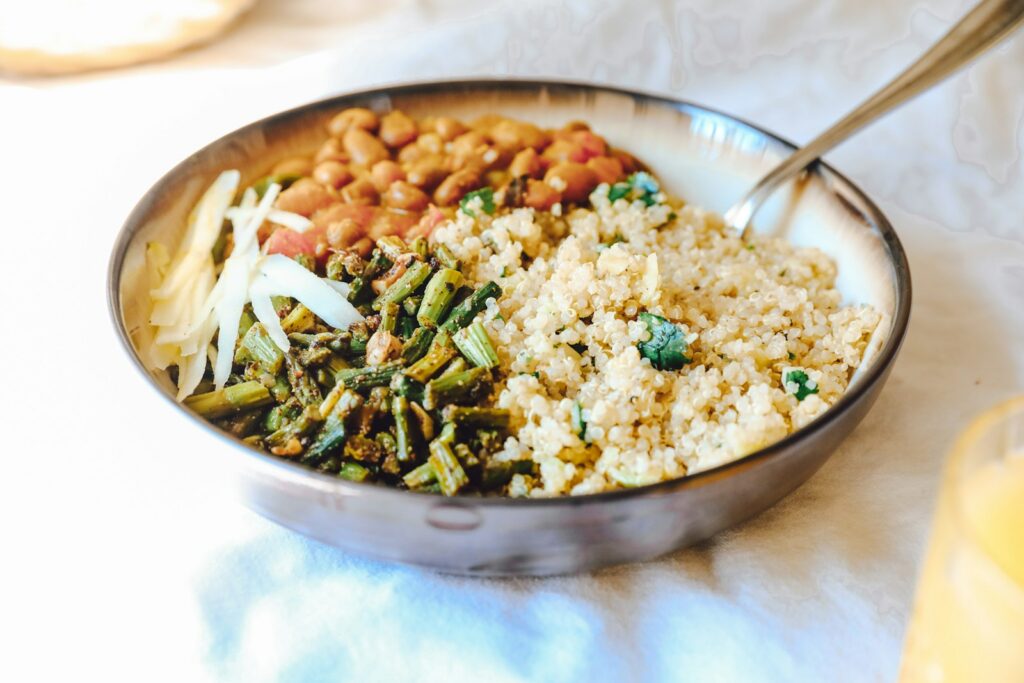
Whole grains provide essential nutrients that refined grains lack.
Swapping refined grains for whole grains can reduce inflammation and support brain health. Consider whole grain bread, brown rice, or quinoa as alternatives.
6. Snack on Nuts and Fruits
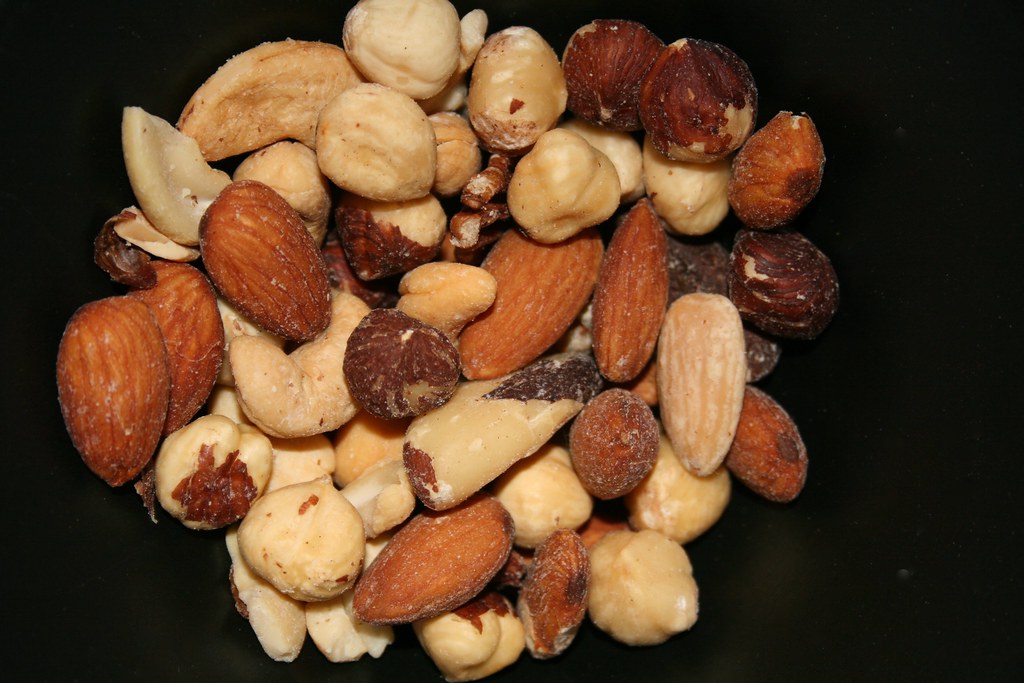
Nuts and fruits are excellent snack options that offer numerous health benefits.
They provide fiber, antioxidants, and healthy fats that can reduce inflammation. Swap packaged snacks for a handful of nuts or a piece of fruit.
5. Incorporate Legumes
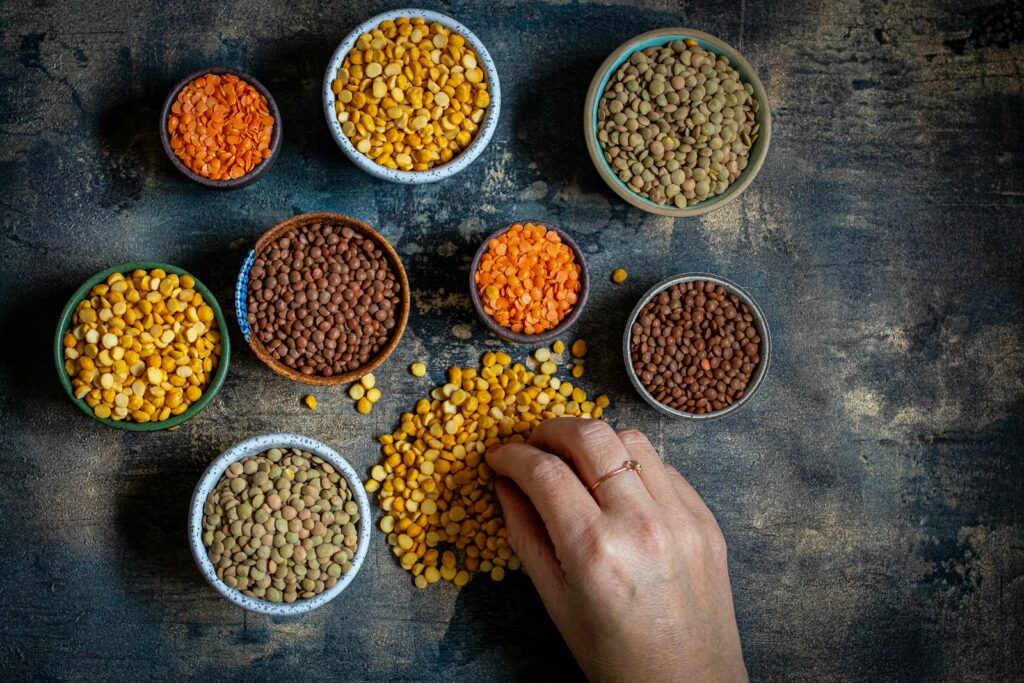
Legumes are a versatile and nutritious addition to any diet.
Rich in fiber and protein, beans and lentils can be included in meals a few times a week to help lower inflammation and support cognitive health.

4. Use Healthy Fats
Healthy fats are crucial for maintaining brain function and reducing inflammation.
Incorporate sources like olive oil, fatty fish, and avocados into your diet to promote brain health.

3. Limit Processed Foods
Ultra-processed foods often contribute to higher levels of inflammation.
Reducing your intake of these foods can help maintain a healthier brain. Focus on fresh, whole foods instead.

2. Avoid Sugary Beverages
Sugary drinks are linked to increased inflammation and health risks.
Opt for water, herbal teas, or other non-sugary drinks to help reduce inflammation and support brain health.

1. Adopt a Mediterranean-Style Diet
The Mediterranean and MIND-style diets have been associated with better cognitive outcomes and lower dementia risk in several studies.
This diet emphasizes whole foods, healthy fats, and lean proteins, making it an excellent choice for reducing dementia risk and promoting overall well-being.
Read More:
- 10 Authentic Mediterranean Foods Your Doctor Would Approve Of
- Study Finds Mediterranean Diet Reduces Heart Disease Risk by Over 20%
- Why the Mediterranean Diet Keeps Winning (20 Big Reasons)
Ask us! What questions do you have about content, strategy, pop culture, lifestyle, wellness, history or more? We may use your question in an upcoming article!
Like MediaFeed’s content? Be sure to follow us.
This article originally appeared on Resourcebuzz and was syndicated by MediaFeed.co.