
9 Eating Habits That Could Be Hurting Your Brain
In our fast-paced world, convenience often trumps nutrition, leading many of us to rely heavily on ultra-processed foods (UPFs). These foods, which include packaged snacks and ready-made meals, are more than just dietary shortcuts; they are becoming staples in our daily lives. Recent research sheds light on the troubling effects these foods can have on our brain health and overall well-being.
A comprehensive review of studies highlights the various health risks associated with high UPF consumption, particularly focusing on cognitive decline and mood disorders. As we explore these findings, it is essential to recognize how our eating habits may be negatively impacting our brains.
Here are 9 eating habits involving ultra-processed foods that could be affecting your brain health.

9. Consuming Packaged Snacks Regularly
Packaged snacks are a staple in many diets due to their convenience.
However, these snacks are often loaded with additives and preservatives that can contribute to cognitive decline over time. Opting for whole food alternatives like nuts or fruits can be a healthier choice.

8. Relying on Fast Food for Meals
Fast food is a quick fix for hunger pangs, but at a cost to your mental health.
The high levels of refined sugars and unhealthy fats found in fast food can increase the risk of depression and anxiety, particularly in younger individuals.

7. Drinking Flavored Beverages
Flavored drinks might seem harmless but are often packed with hidden sugars.
These sugars can lead to a spike in blood sugar levels, affecting brain function and mood stability. Opting for water or unsweetened teas can mitigate these effects.

6. Choosing Ready-Made Meals Often
Ready-made meals offer convenience but are often ultra-processed.
These meals can contain emulsifiers and preservatives that may contribute to cognitive issues. Preparing simple meals at home can be a healthier alternative.

5. Eating Processed Breakfast Cereals
Many breakfast cereals are marketed as healthy but are highly processed.
They often contain refined starches and sugars that can impair cognitive functions. Switching to whole-grain options can benefit brain health.
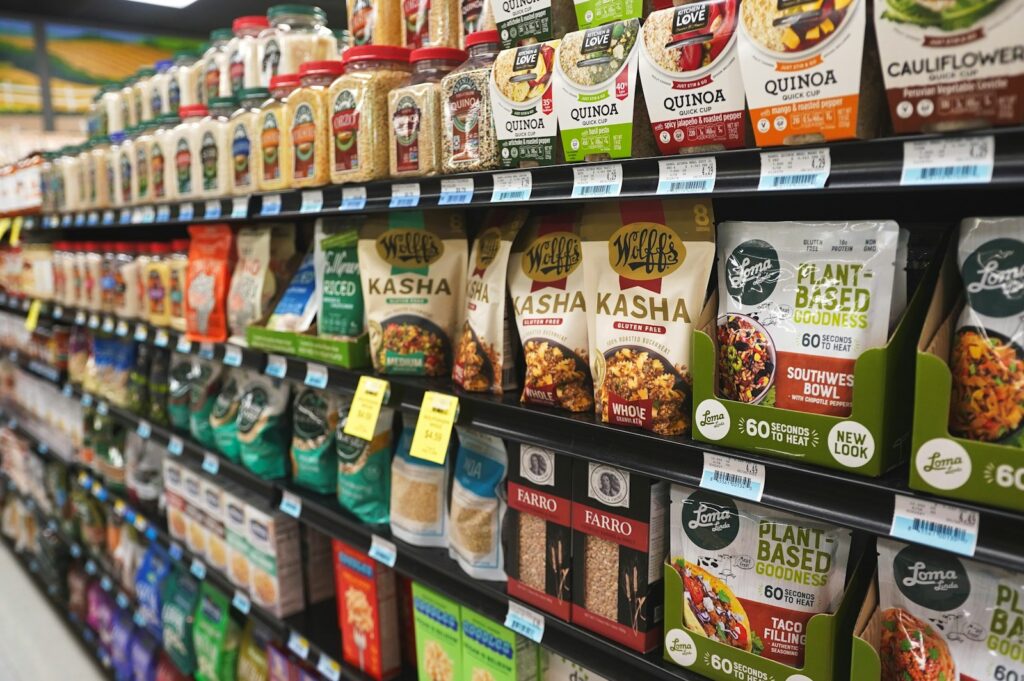
4. Trusting ‘Healthy’ Packaged Foods
Products labeled as healthy can be misleading.
Even items like protein bars and plant-based alternatives may be ultra-processed. Reading ingredient lists rather than relying on packaging claims is essential.
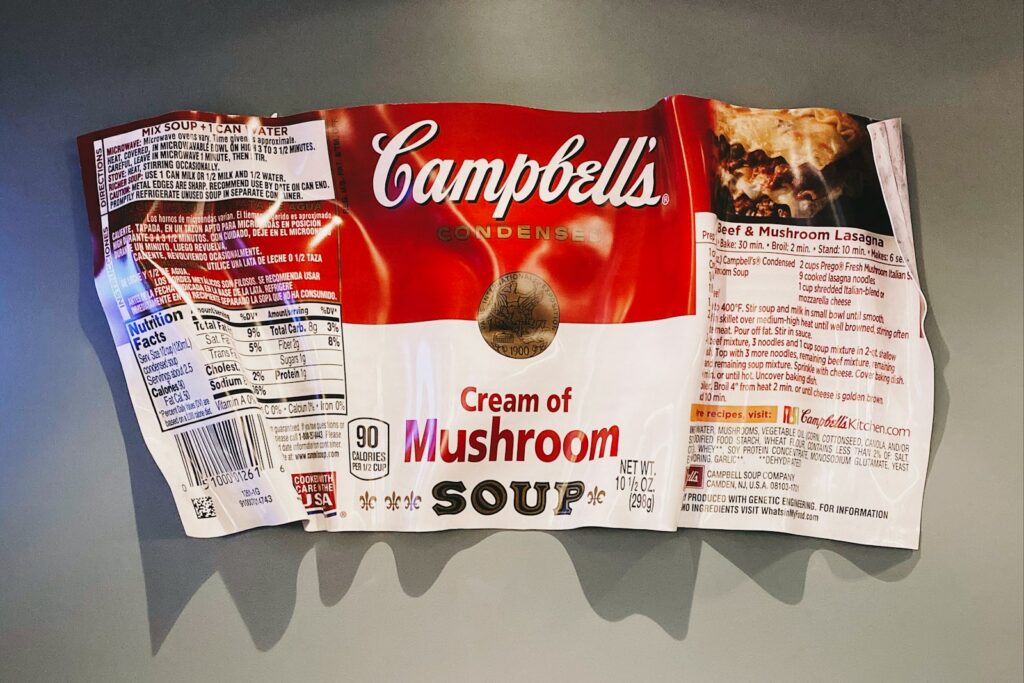
3. Overlooking Ingredient Lists
It’s easy to focus on nutrition labels and ignore ingredient lists.
However, ingredient lists reveal the presence of additives and artificial components that can be detrimental to your brain’s health. Always check for long lists of unfamiliar ingredients.

2. Making No Gradual Dietary Changes
Changing your diet overnight is daunting, but gradual changes are effective.
Start by replacing one ultra-processed food item with a whole food alternative. Over time, these small changes can significantly improve brain health.

1. Ignoring the Impact of Diet on Mental Health
Many people underestimate how diet affects mental health.
Research indicates that high UPF intake is linked to increased risks of depression and cognitive decline. Being mindful of your diet can promote better mental well-being and cognitive function.
Read More:
- 10 Surprising Benefits of Eating Fermented Foods
- The Longevity Kitchen: 10 Foods That May Help You Live Longer
- 10 Authentic Mediterranean Foods Your Doctor Would Approve Of
Ask us! What questions do you have about content, strategy, pop culture, lifestyle, wellness, history or more? We may use your question in an upcoming article!
Like MediaFeed’s content? Be sure to follow us.
This article originally appeared on Resourcebuzz and was syndicated by MediaFeed.co.