What a concert cost the year you were born vs. today
There was a time when seeing your favorite band live cost less than a tank of gas. That time is gone, and the distance between then and now tells a story about the music industry, the American economy, and what fans will pay to be in the room.
This article draws on historical concert pricing data compiled by Background Animal, ticket industry reporting from Marketplace.org, and the decade-by-decade analysis published by GotStubs. Prices below reflect the average general admission for major touring acts in each era.
If you paid for a ticket yourself back then, you already know what was lost.
Note that prices are averages based on historical marketplace data.

The 1960s: $4 to $6
The Beatles cost an average of $5.50. Adjusted for inflation, that is about $53 today, still far cheaper than a modern concert ticket. The economics of live music in the 1960s were entirely different. Artists made their money on record sales, and concert tickets primarily covered the cost of putting on the show. Venues were smaller, production was minimal, and a PA system that could fill a gymnasium was considered impressive. The business model that would eventually price out casual fans did not yet exist.

The 1970s: $5 to $10
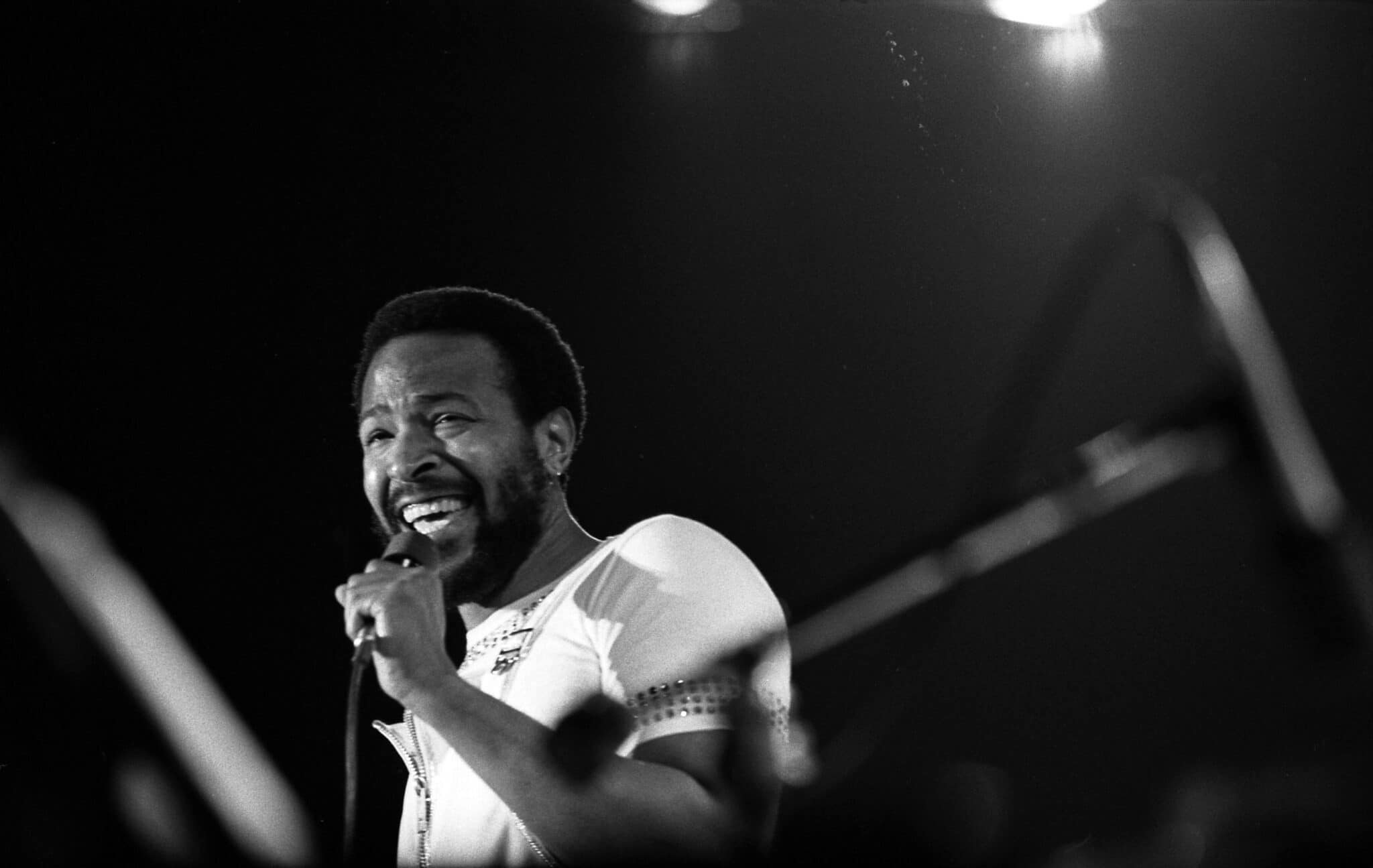
That 1976 ticket in the 28th row cost $7.50. Even adjusted for inflation, that would be worth only about $41 today, less than most parking fees at a modern arena. A $10 ticket in the 1970s would be around $50 today. However, most tickets now cost far more, with averages in the $100 to $150 range for major artists. Ticketron, the era’s dominant ticketing platform, charged a service fee of $1 or less before 1982. That fee structure was about to change permanently.

The 1980s: $15 to $20
Ticketmaster became the CEO of Ticketmaster in 1982 and struck business deals with venues that allowed them to share service fees. Under the Ticketmaster model, fees immediately jumped, often more than doubling. Average ticket prices for major acts settled in the $15 to $20 range, equivalent to roughly $45 to $55 today. The infrastructure of modern ticket pricing was being assembled, and fans were paying for it.
The 1990s: $25 to $50
By 1994, the average concert ticket cost somewhere between $15 and $20. By the mid-90s, stadium rock was the standard format, and some bands were charging $100 or more for premium seats. Artists like Pearl Jam pushed back. The band waged a public battle against Ticketmaster’s fees in 1994, arguing that the surcharges had become a barrier for working-class fans. They lost.

The 2000s: $50 to $75
Album sales collapsed, shifting the entire revenue model. With the rise of digital streaming platforms, artists earn less from record sales, shifting their revenue focus to live performances. Ticket prices rose accordingly, and the rise of StubHub in 2000 introduced a resale market that pushed prices higher in both the primary and secondary markets.

Today: $252 and rising
Today’s average is $252. In 1970, a big-name show was charging $10 to $12. One cause for what is happening today is clearly inflation. But inflation alone does not account for the gap. Dynamic pricing, service fees that now represent 32 percent of total ticket cost, and the superstar effect, where demand concentrates around a small number of top artists, have compounded the increase far beyond what the Consumer Price Index would predict. Resale tickets for Taylor Swift’s Eras Tour reached up to $11,000 on StubHub.

Wrap up
A ticket that cost $6 in 1966 and $252 in 2024 tells you something about inflation, but it also tells you something about who the music industry now believes its customer is. The casual fan, the teenager with babysitting money, the family buying four seats: the economics no longer price them in. The music is the same. The room has changed.
Ask us! What questions do you have about content, strategy, pop culture, lifestyle, wellness, history or more? We may use your question in an upcoming article!
Related:
- What inflation really costs over a 40-year career
- 4 Costly Mistakes to Avoid if You’re Worried about Inflation
Like MediaFeed’s content? Be sure to follow us.
This article was syndicated by MediaFeed.co.