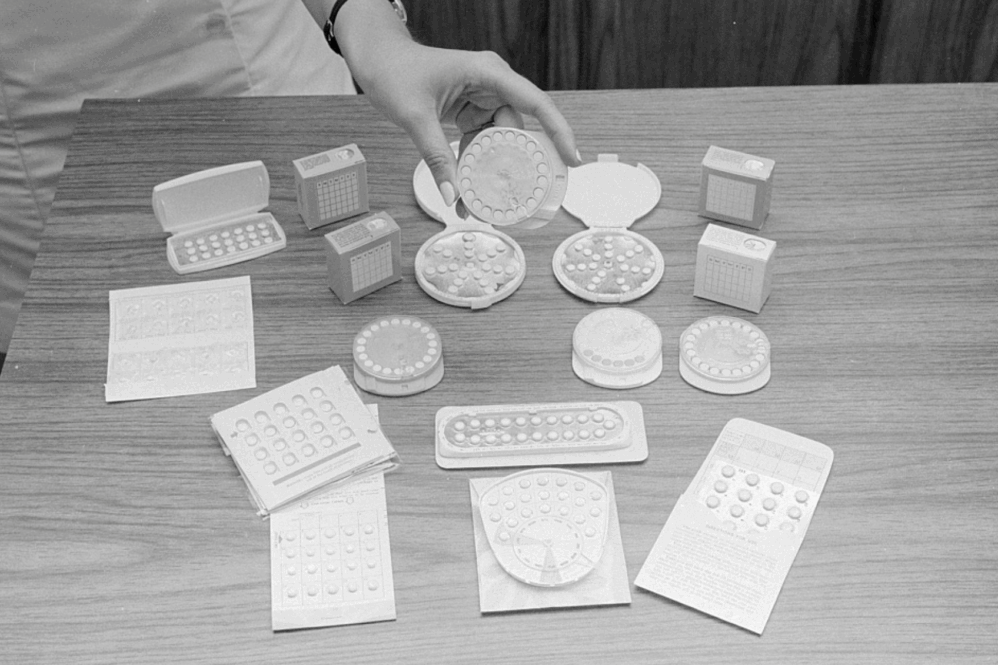
On May 9, 1960, the United States Food and Drug Administration (FDA) approved the first oral contraceptive for use as birth control.
The development of the Pill took a long time. It wasn’t the work of just one person, but a collaboration of scientists, activists, and philanthropists. In the early 1950s, biologist Gregory Pincus and gynecologist John Rock began working on a way to suppress ovulation using synthetic hormones.
The Pill works by using a combination of synthetic estrogen and progestin. These hormones trick the body into thinking it is already pregnant, which prevents the ovaries from releasing an egg each month. Without an egg, fertilization cannot occur. Before this, birth control methods were often unreliable or inconvenient. The Pill offered a way to prevent pregnancy that was nearly 100% effective when taken correctly.
Getting the Pill to market was not easy. At the time, discussing birth control was often considered taboo, and in some states, it was actually illegal to even share information about it. The project was largely funded by Katherine McCormick, a wealthy philanthropist and suffragist, who teamed up with Margaret Sanger, the founder of Planned Parenthood.
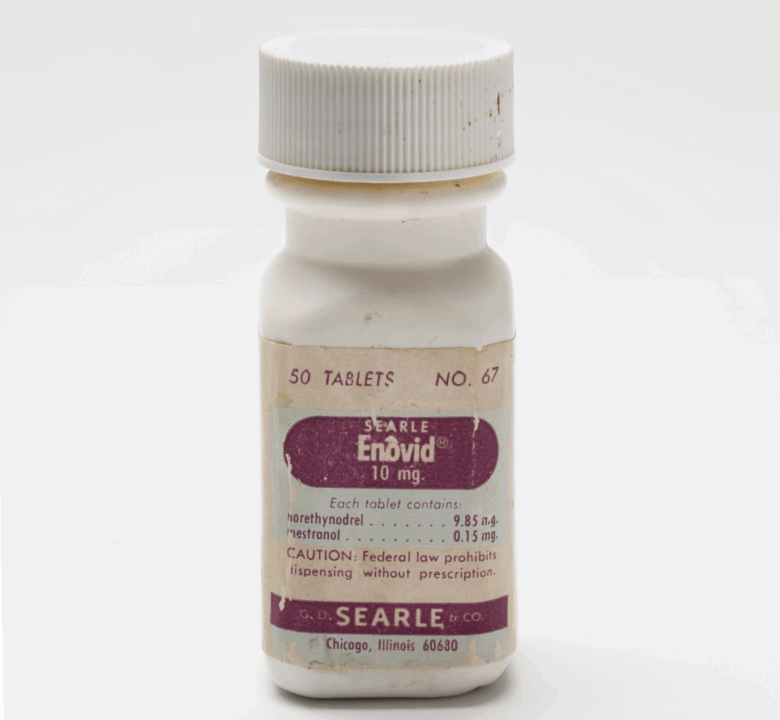
Before it could be approved for birth control, Enovid was actually approved by the FDA in 1957, but only for the treatment of severe menstrual disorders. Interestingly, after that approval, the manufacturer noticed a massive spike in sales. By 1960, when the FDA finally granted formal approval for use as a contraceptive, the demand was already proven.
The impact of the FDA’s decision was felt almost immediately. Within two years of approval, 1.2 million American women were using the Pill. By 1965, that number climbed to 6.5 million.
Despite its success, the early versions of the Pill were not perfect. The original doses of hormones were much higher than what is used today, leading to significant side effects. In the late 1960s, concerns about blood clots and strokes led to high-profile Senate hearings. These hearings eventually resulted in the “Patient Package Insert,” the detailed information sheet that now comes with all prescription medications to inform users of potential risks.
By 2025, the reach of family planning has grown significantly, with roughly 874 million women across the globe now using modern birth control. This progress shows how much more accessible healthcare has become, yet about 224 million women in developing areas still lack the contraceptive resources they need.
Ask us! What questions do you have about content, strategy, pop culture, lifestyle, wellness, history or more? We may use your question in an upcoming article!
Like MediaFeed’s content? Be sure to follow us.
This article was syndicated by MediaFeed.co