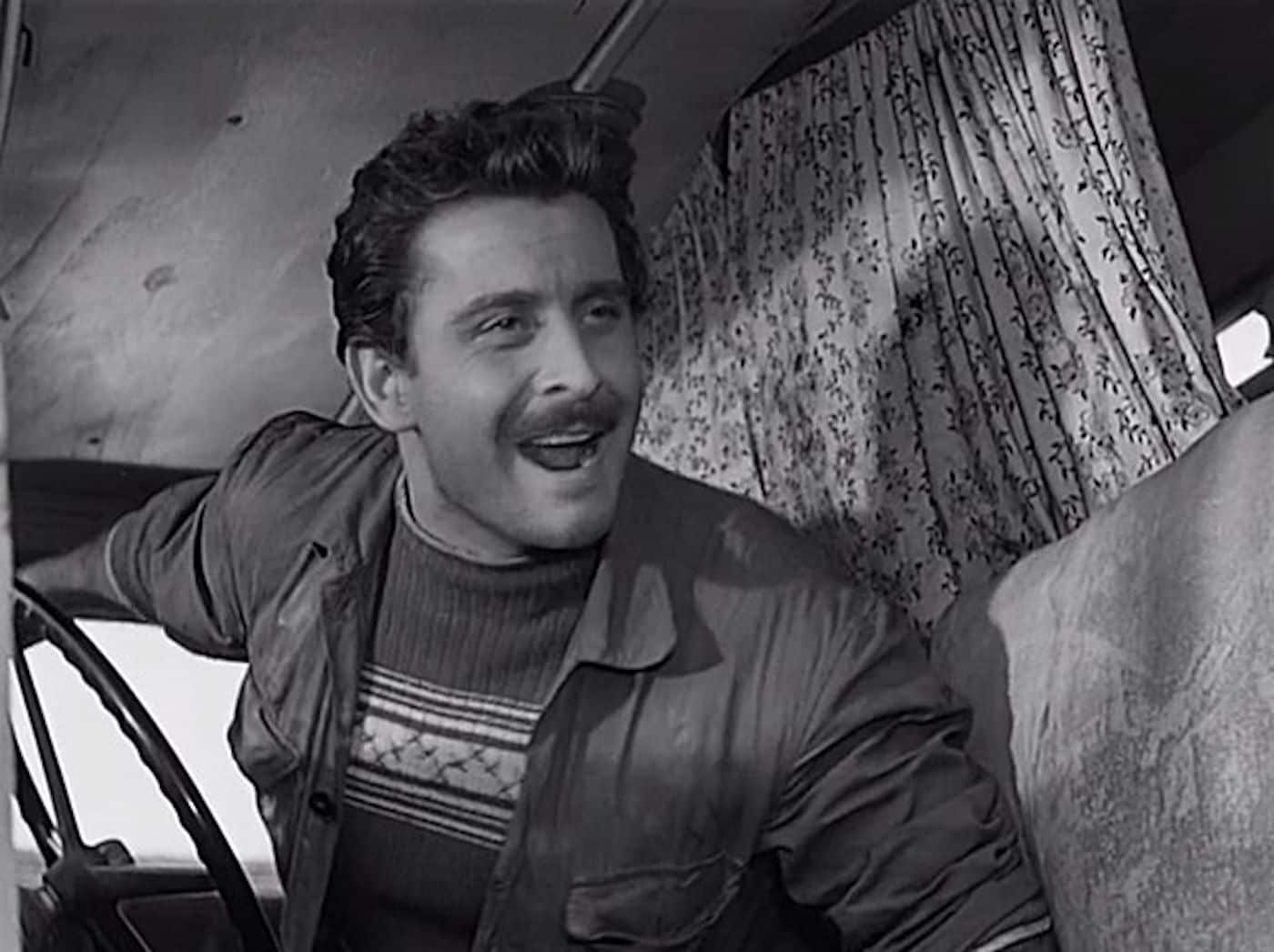
The song that defined your birth year: Boomer edition. Do you agree?
Baby Boomers were born between 1946 and 1964, and the music at the top of the charts each year tells a story that runs from postwar crooners through the birth of rock and roll to the British Invasion.
Data comes from Billboard and Wikipedia. Pre-1958 rankings use Billboard’s Best Sellers in Stores chart, the era’s primary popularity measure.
Find your year below.
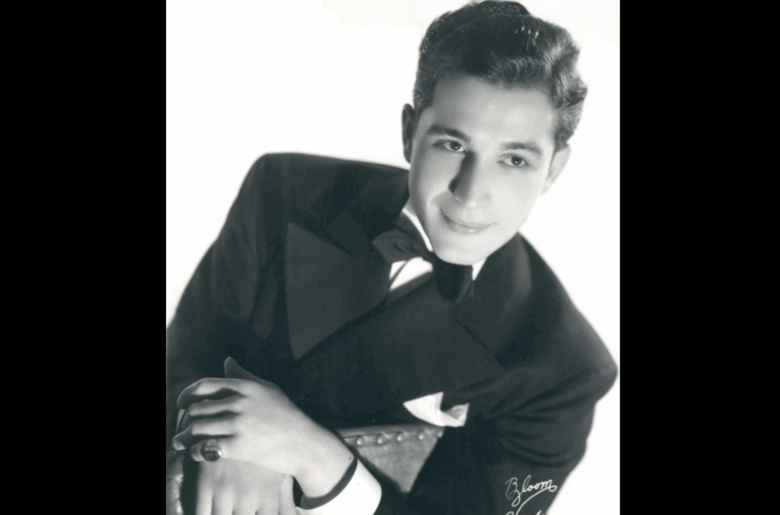
Born in 1946: “Prisoner of love” by Perry Como
Perry Como topped the chart in the first year Billboard formally published a year-end ranking. His warm, conversational delivery pointed toward the crooner era that would define the late 1940s.
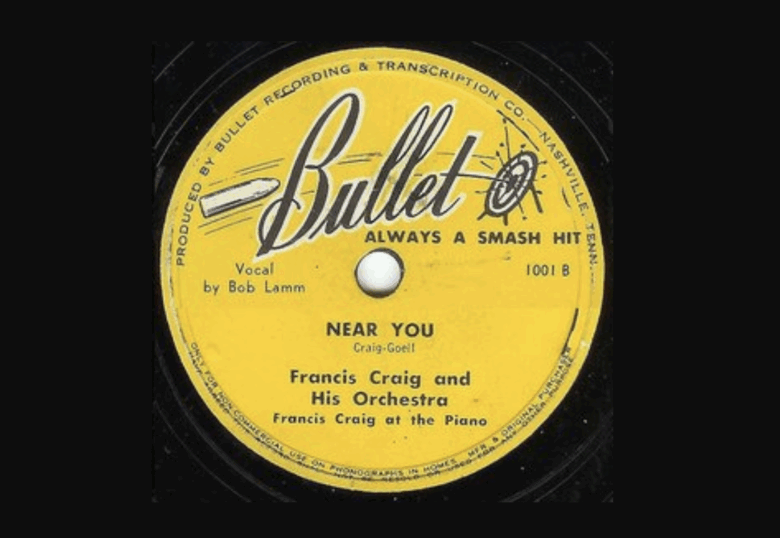
Born in 1947: “Near you” by Francis Craig
A Nashville bandleader held number one for 17 weeks, one of the longest runs in chart history at that point. Craig never had another hit. The song outlasted everything else in his career.
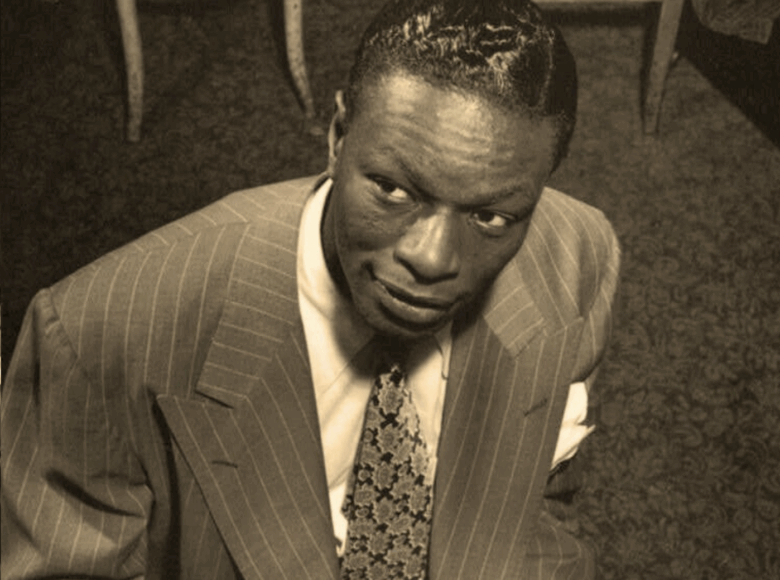
Born in 1948: “Nature boy” by Nat King Cole
Capitol filed it as a B-side. The composer was living under the Hollywood sign. Radio disagreed and pushed it to eight weeks at number one.
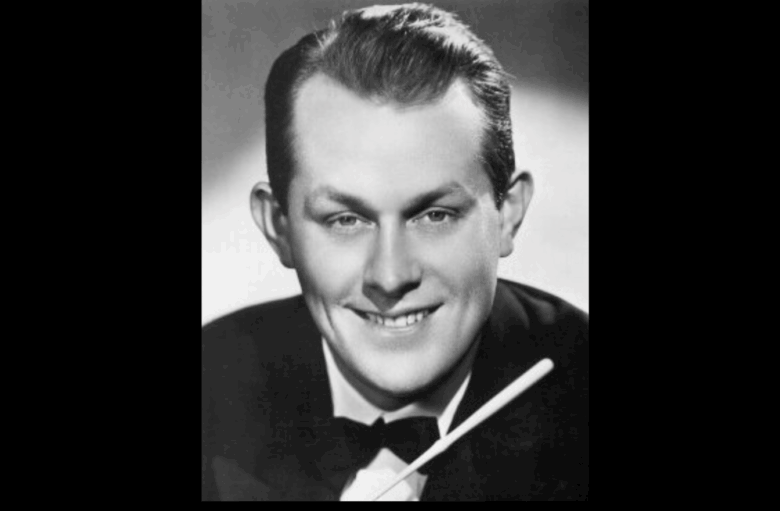
Born in 1949: “Riders in the sky” by Vaughn Monroe
A Western ghost story set to music, it spent 12 weeks at number one. Monroe said its success surprised him more than anything else in his career.
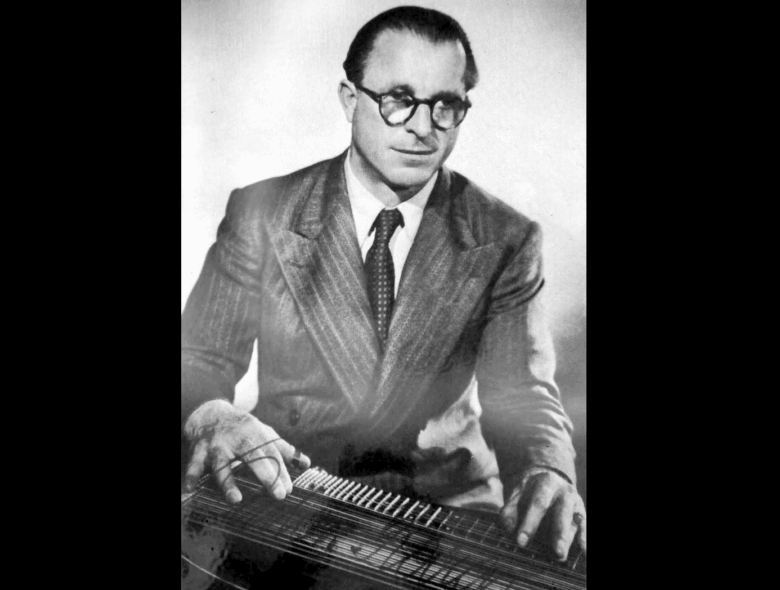
Born in 1950: “The third man theme” by Anton Karas
Karas was discovered playing in a Viennese wine garden and was invited to score The Third Man. Eleven weeks at number one, then he returned to his wine garden permanently.
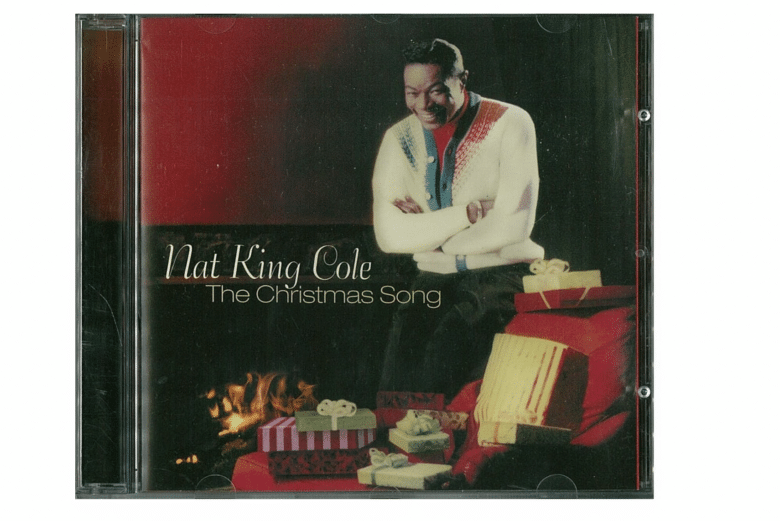
Born in 1951: “Too young” by Nat King Cole
Cole called it mawkish. Audiences kept it at number one for 12 weeks and made it one of the decade’s defining recordings.
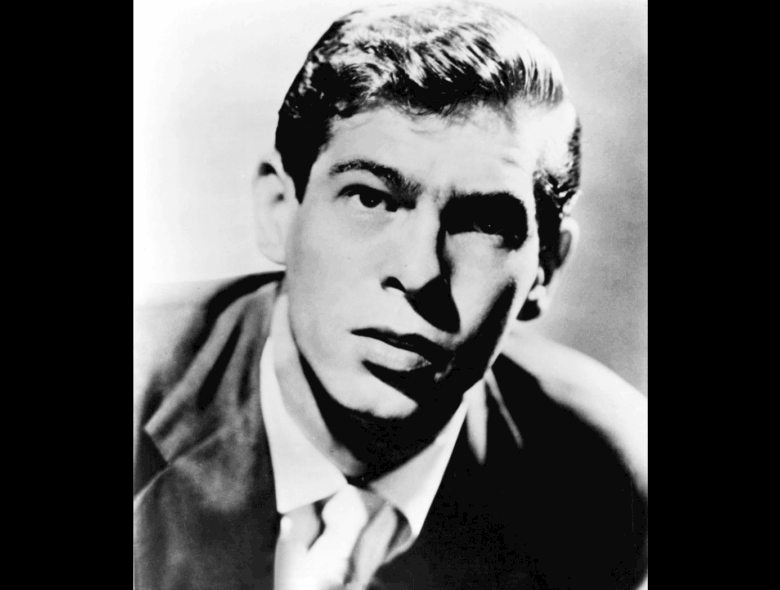
Born in 1952: “Cry” by Johnnie Ray
Ray’s physically expressive delivery was startling to listeners accustomed to the reserve of standard pop. Now cited as an early bridge to the emotional excess rock and roll would unleash three years later.
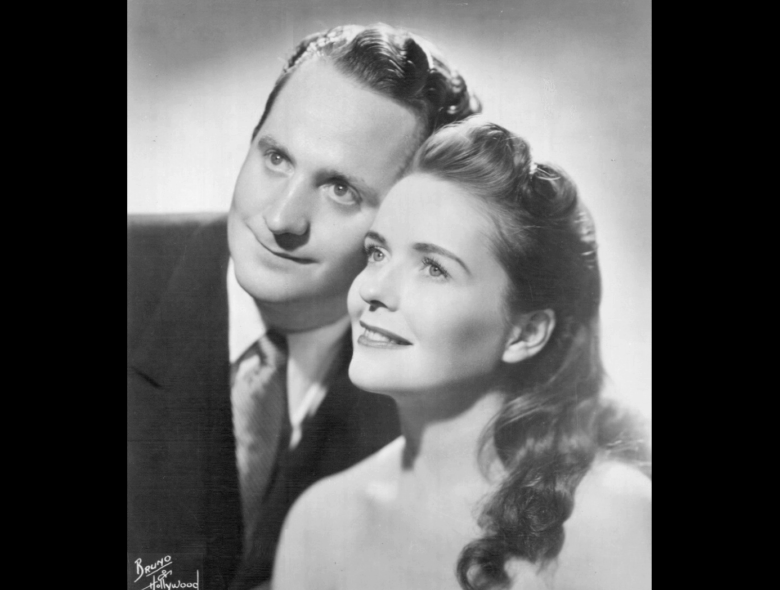
Born in 1953: “Vaya con dios” by Les Paul and Mary Ford
Paul stacked Ford’s vocals into harmonies that were technically impossible a decade earlier. Eleven weeks at number one and the best-selling single of 1953.
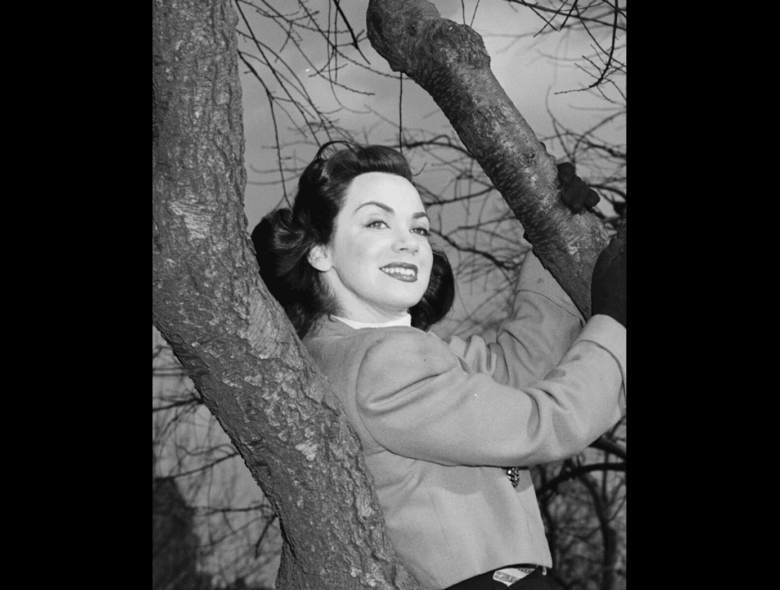
Born in 1954: “Little things mean a lot” by Kitty Kallen
Kallen nearly turned it down for being too simple. It spent nine weeks at number one and became the biggest hit of her career.
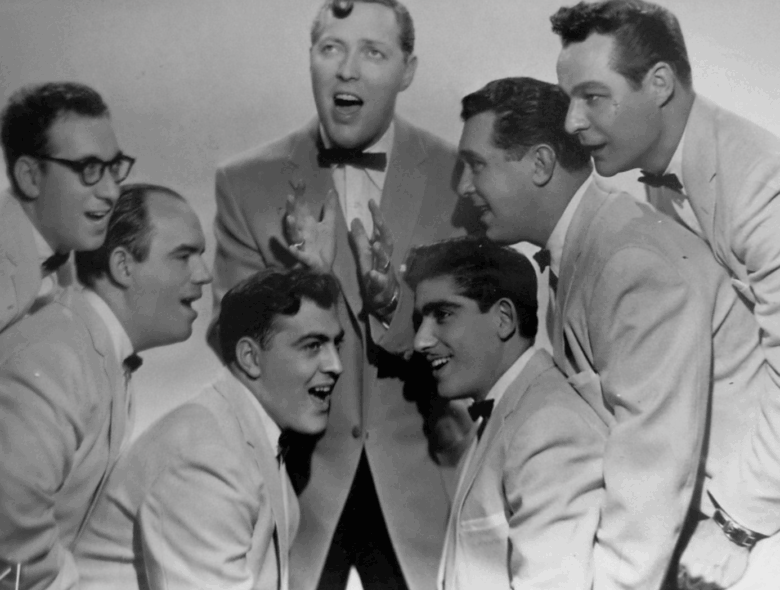
Born in 1955: “Rock around the clock” by Bill Haley and His Comets
Theater riots followed when Blackboard Jungle opened with the song over its credits. It became the first rock record to top the year-end chart.
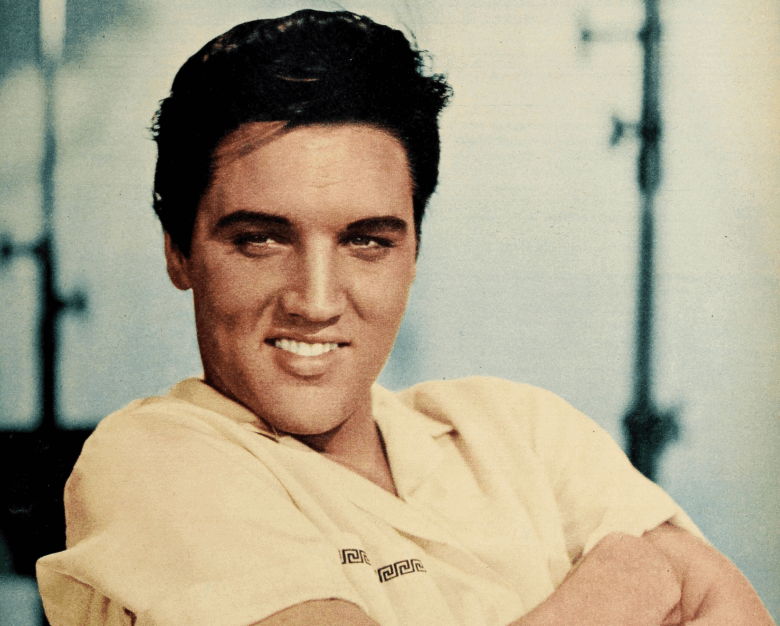
Born in 1956: “Heartbreak Hotel” by Elvis Presley
Slow and dark and unlike anything on the pop chart, it spent eight weeks at number one. By December, Elvis had appeared on Ed Sullivan and everything had shifted.

Born in 1957: “All shook up” by Elvis Presley
His second consecutive year-end number one. The stuttering delivery became one of his most imitated mannerisms and influenced a generation of rock performers.
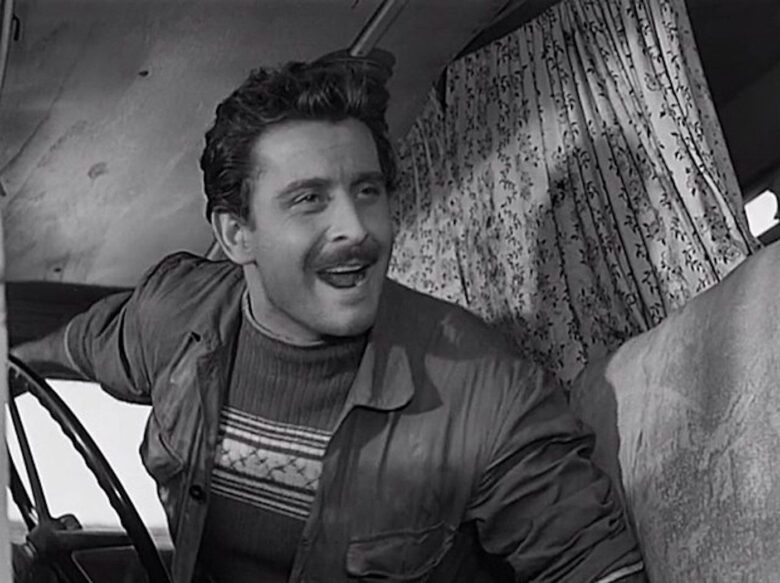
Born in 1958: “Volare” by Domenico Modugno
The Hot 100’s first year-end number one, it also won the first Grammy Awards ever given for Record of the Year and Song of the Year.
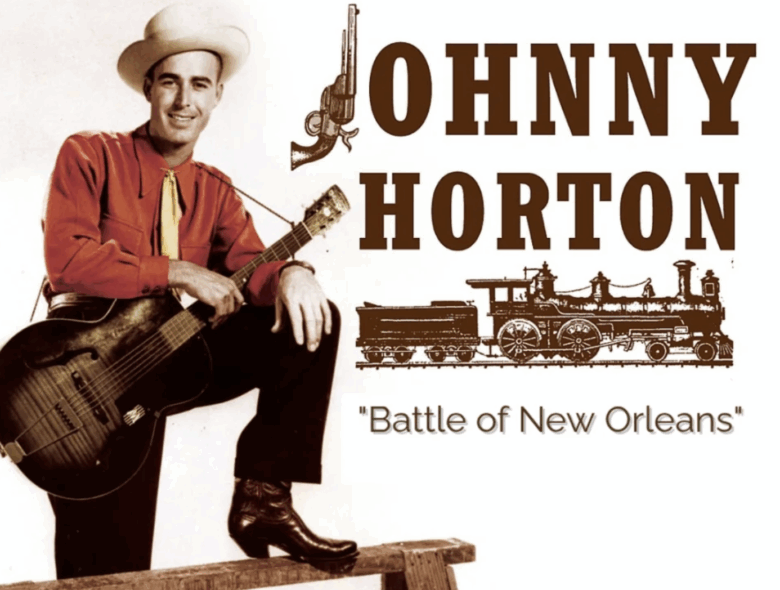
Born in 1959: “The battle of new orleans” by Johnny Horton
A novelty song about Andrew Jackson’s 1815 victory, it won the Grammy for Best Country and Western Performance. Six weeks at number one closed out a decade that had opened with an Austrian zither.
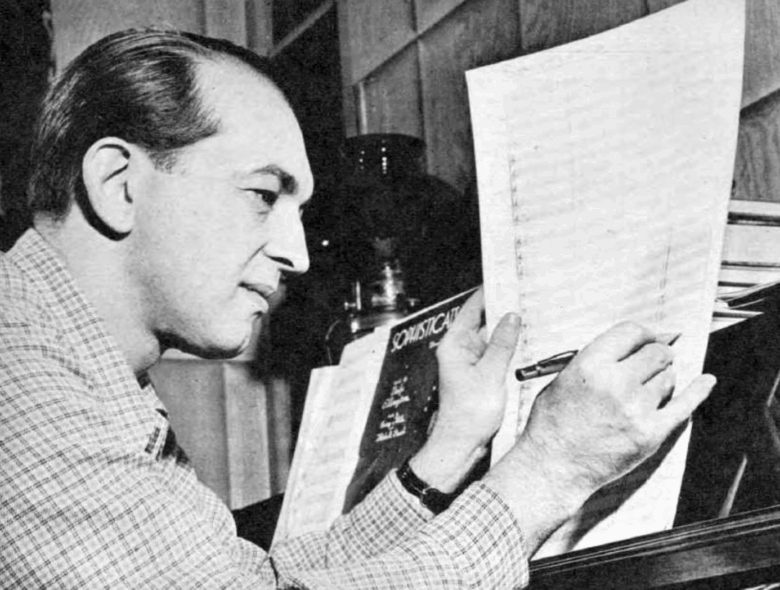
Born in 1960: “Theme from a summer place” by Percy Faith
Nine weeks at number one. Percy Faith’s sweeping strings became the sound of mid-century American idealism and remain one of the most recognizable instrumentals ever recorded.
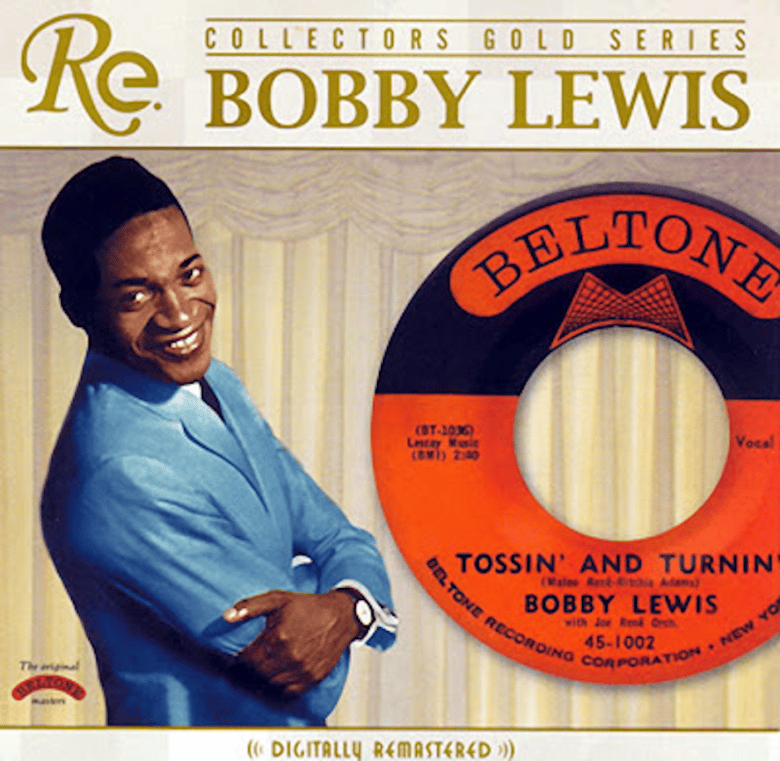
Born in 1961: “Tossin’ and turnin'” by Bobby Lewis
Seven weeks at number one, and the first time in a decade a Black American artist topped the year-end chart since Nat King Cole in 1951.
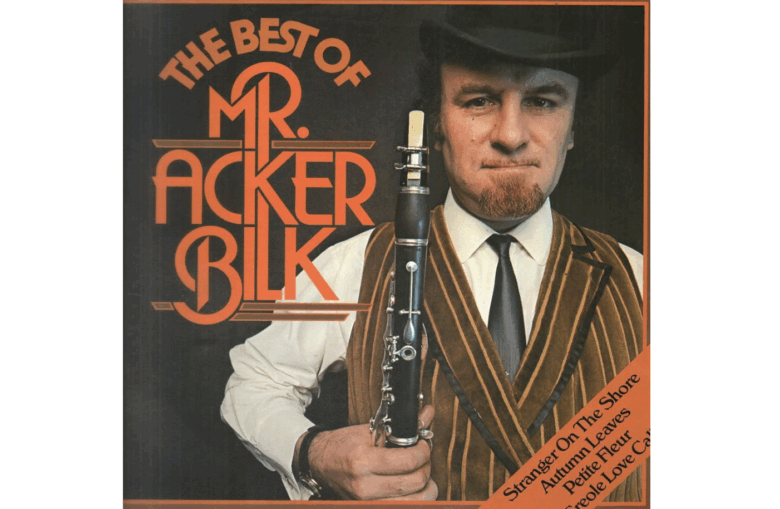
Born in 1962: “Stranger on the shore” by Mr. Acker Bilk
The first British artist to top the Billboard year-end chart. The gentle instrumental had been written as a BBC television theme. Two years later, the British Invasion arrived.

Born in 1963: “Surfin’ U.S.A.” by The Beach Boys
It peaked at only number three on the weekly chart but dominated radio long enough to top the year-end ranking. Kennedy’s assassination came in November, four months after the song defined that summer.
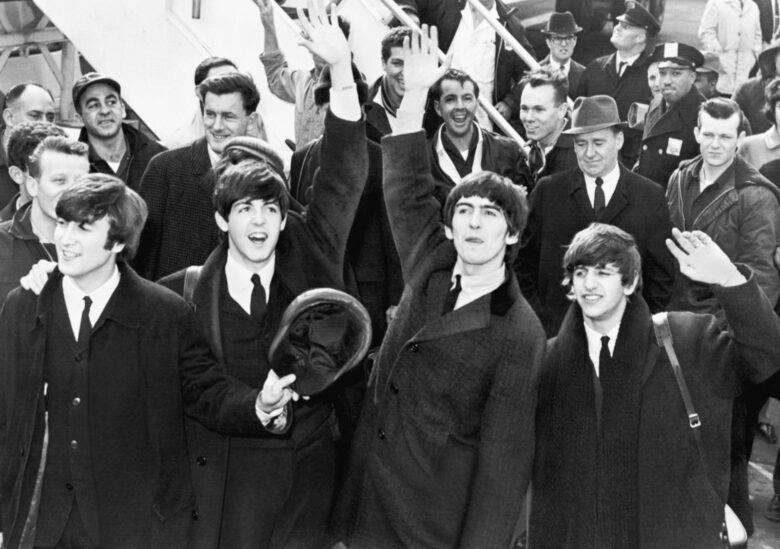
Born in 1964: “I want to hold your hand” by The Beatles
The song had preceded the Beatles to America by weeks. It was the year-end number one. The runner-up was also theirs.

Wrap up
Nineteen years, nineteen songs, one complete transformation of American popular music. Which one is yours?
Ask us! What questions do you have about content, strategy, pop culture, lifestyle, wellness, history or more? We may use your question in an upcoming article!
Related:
- The most controversial songs of the ’50s: Do you agree?
- The most controversial songs of the ’60s: Do you agree?
Like MediaFeed’s content? Be sure to follow us.
This article was syndicated by MediaFeed.co.