
15 Health Myths Medical Experts Wish Would Finally Go Away
Health advice has a funny way of sticking around long after science has moved on. Some myths get passed down through families, while others spread online until they start sounding like established facts.
The problem? Many of these beliefs aren’t just harmless misconceptions. They can lead people to make poor health decisions or ignore evidence-based advice.
Here are 15 persistent health myths that medical experts have thoroughly debunked.

15. You Need to Drink Exactly Eight Glasses of Water a Day
Hydration is important, but there’s no universal rule that everyone needs exactly eight glasses daily. Fluid needs vary based on age, activity level, body size, climate, and diet.
Many foods—including fruits, vegetables, soups, and yogurt—also contribute to your daily hydration. For most healthy adults, thirst is a pretty reliable guide.

14. Cracking Your Knuckles Causes Arthritis
If this myth were true, generations of nervous knuckle-crackers would be in trouble.
Research has found no meaningful connection between knuckle cracking and arthritis. The popping sound comes from gas bubbles in the joint fluid, not bones grinding together or joint damage occurring.
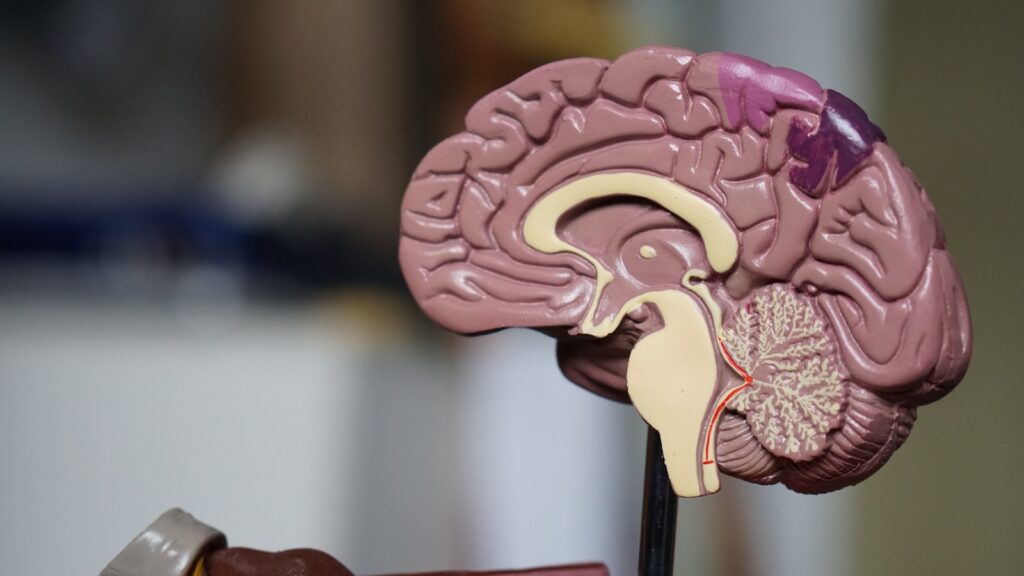
13. Humans Only Use 10% of Their Brains
This myth has survived for decades despite having no scientific support.
Brain imaging studies show that people use multiple regions of the brain throughout the day, even during routine activities and while sleeping. Different areas handle different functions, but nearly all parts of the brain have a purpose.

12. Cold Weather Causes Colds
Being cold might be uncomfortable, but it doesn’t cause illness.
Colds are caused by viruses. Winter tends to bring more infections because people spend more time indoors, where viruses spread more easily through close contact and poor ventilation.

11. Sweating Removes Toxins
Sweat serves an important purpose: regulating body temperature.
Your liver and kidneys handle the vast majority of your body’s detoxification processes. While tiny amounts of certain substances can appear in sweat, saunas, hot yoga classes, and sweat sessions aren’t “flushing toxins” from your body.

10. Feed a Cold, Starve a Fever
This old saying has been around for centuries, but science doesn’t support it.
Whether you have a cold or a fever, your body needs hydration, rest, and nutrition. If you’re hungry, eat. If you’re not, focus on fluids and recovery.

9. Sugar Makes Kids Hyperactive
Parents swear they’ve seen it happen, but controlled studies consistently find little evidence that sugar directly causes hyperactivity.
In many cases, the excitement of birthday parties, holidays, and special events gets blamed on the cake when the environment is likely the bigger factor.

8. Antibiotics Cure Any Infection
Antibiotics are powerful medications, but they only work against bacterial infections.
They do not treat viral illnesses such as colds, influenza, most sore throats, or many cases of bronchitis. Overusing antibiotics contributes to antibiotic resistance, which is a growing global health concern.

7. You Need to Wait an Hour After Eating Before Swimming
Many people grew up hearing this warning.
Fortunately, there is little evidence that swimming after eating significantly increases the risk of dangerous cramps or drowning. Some people may feel slightly uncomfortable after a large meal, but most healthy individuals can safely swim after eating.
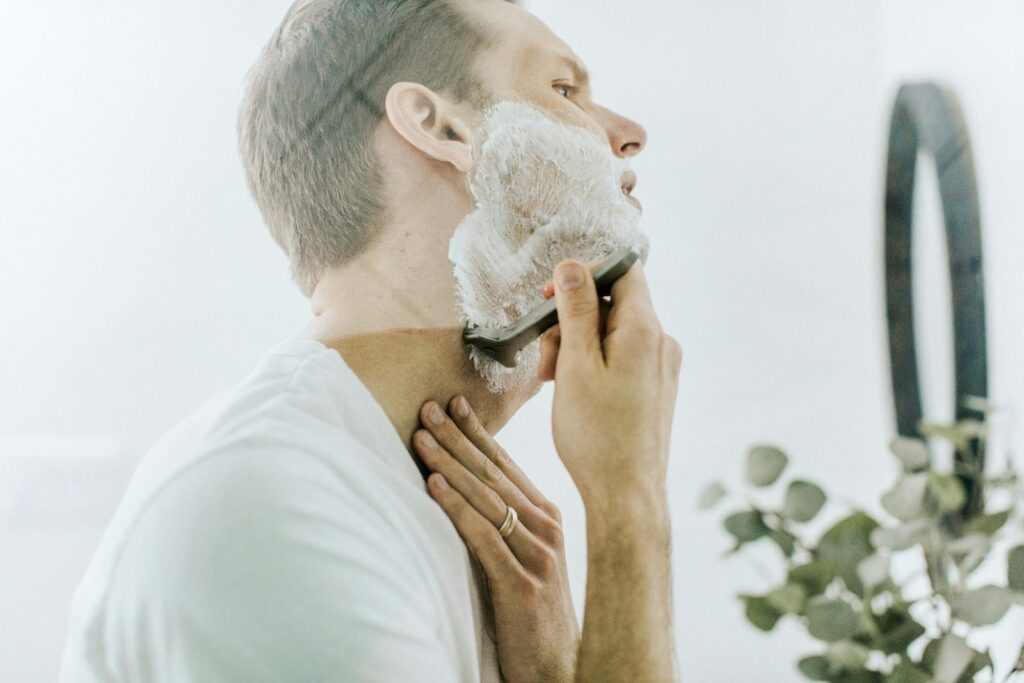
6. Shaving Makes Hair Grow Back Thicker
Hair often appears darker or coarser after shaving because the razor creates a blunt edge.
However, shaving does not change hair thickness, growth rate, color, or density. It only creates the illusion of thicker regrowth.

5. Microwave Ovens Cause Cancer
Microwaves use non-ionizing radiation, which does not damage DNA the way cancer-causing ionizing radiation can.
When used properly, microwave ovens are considered safe by major health organizations and regulatory agencies worldwide.

4. You Can Completely Catch Up on Lost Sleep
Sleeping late on the weekend may help you feel better temporarily, but it doesn’t fully erase the effects of chronic sleep deprivation.
Consistently getting enough sleep night after night is far more beneficial than trying to recover from weeks of poor sleep with a few extra hours on Saturday.

3. Detox Diets Cleanse the Body
Despite clever marketing, your body already has an effective detox system.
Your liver, kidneys, digestive tract, lungs, and skin continuously remove waste products. Most detox teas, cleanses, and juice programs have little scientific support and may even cause side effects.

2. Everyone Needs a Daily Multivitamin
Multivitamins can be beneficial for certain individuals with specific deficiencies or medical conditions, but most healthy adults can meet their nutritional needs through a balanced diet.
More isn’t always better. In some cases, excessive supplementation can actually be harmful.

1. Vaccines Cause Autism
This myth originated from a now-discredited study that was later retracted due to serious ethical and scientific problems.
Since then, dozens of large studies involving millions of children have found no link between vaccines and autism. Medical and scientific organizations worldwide agree that vaccines do not cause autism.

Good Health Starts With Good Information
Health myths can be surprisingly persistent, especially when they sound plausible or have been repeated for years. But science evolves, and good advice evolves with it.
When it comes to your health, it’s worth checking the evidence, consulting qualified medical professionals, and being willing to let go of ideas that simply don’t hold up. Some myths are harmless. Others can affect important decisions. Knowing the difference is one of the healthiest habits you can develop.
Read More:
- These 20 Common Habits Are Secretly Fueling Anxiety
- These 15 “Healthy” Foods Are Way More Popular Than They Are Tasty
- 15 Clever Ways to Drink More Water Every Day (Without Trying Hard)
Ask us! What questions do you have about content, strategy, pop culture, lifestyle, wellness, history or more? We may use your question in an upcoming article!
Like MediaFeed’s content? Be sure to follow us.
This article originally appeared on Resourcebuzz and was syndicated by MediaFeed.co.