Strength Training for Beginners: A No-Nonsense Guide to Getting Started
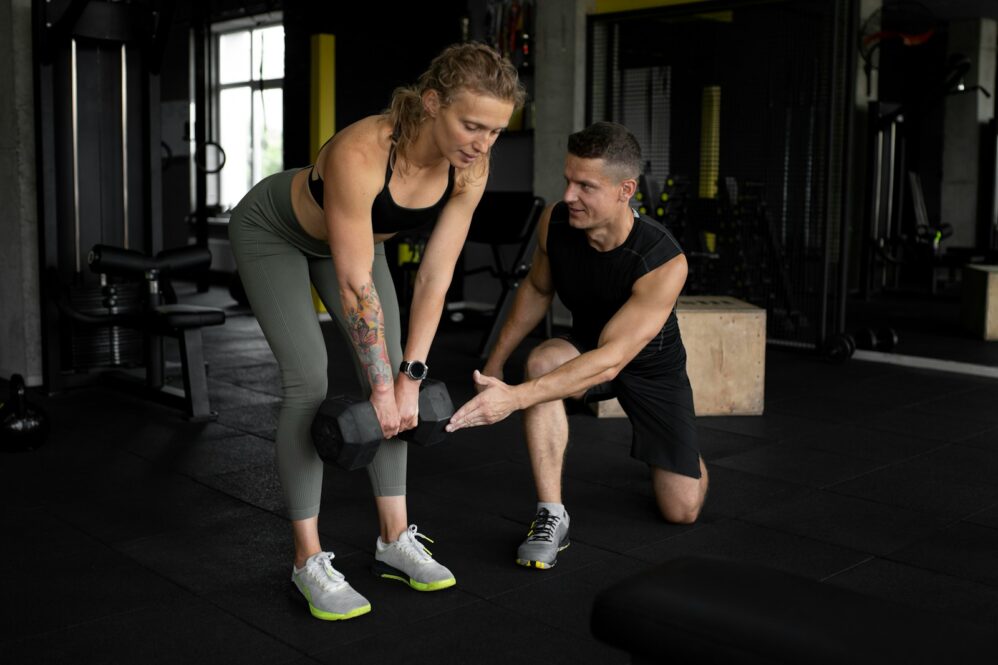
Walk into any gym and it’s easy to feel overwhelmed. Rows of machines, racks of weights, people who seem to know exactly what they’re doing, and an endless stream of fitness advice online can make strength training feel far more complicated than it actually is.
The truth is that getting stronger doesn’t require fancy equipment, expensive programs, or spending hours in the gym. The most successful beginners focus on a handful of basic principles, learn a few foundational movements, and stay consistent. Whether your goal is building muscle, improving your health, increasing energy, or simply feeling more capable in everyday life, strength training can help you get there.
10. Understand What Strength Training Actually Is
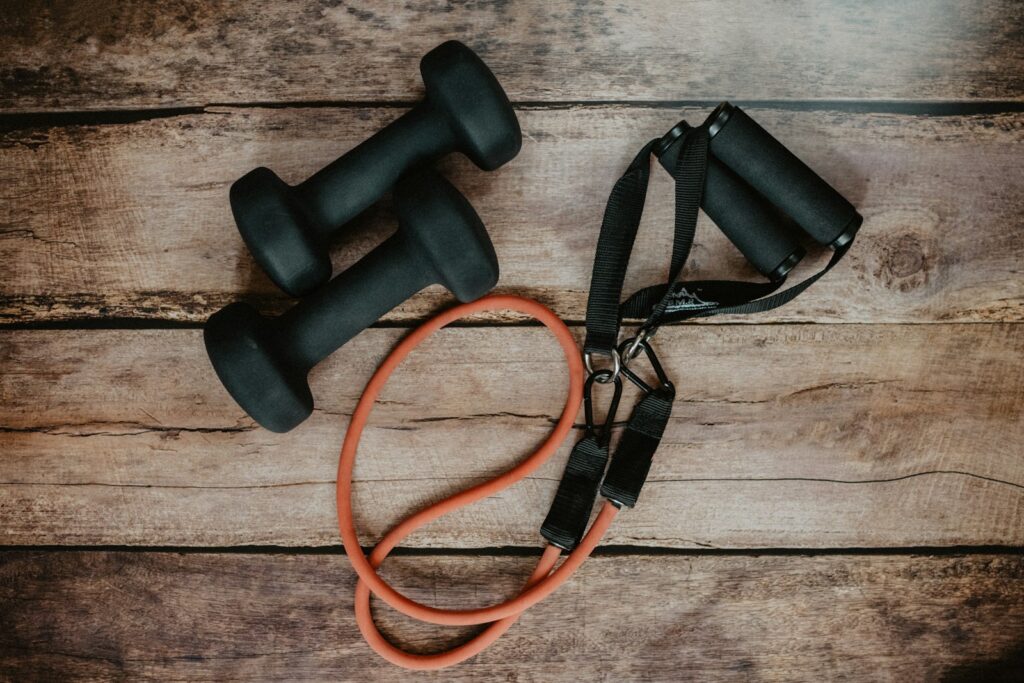
Strength training simply means challenging your muscles against resistance.
That resistance can come from dumbbells, barbells, resistance bands, machines, kettlebells, or even your own body weight. Every time your muscles work against resistance, they adapt by becoming stronger.
You don’t have to become a powerlifter or bodybuilder to benefit. Strength training helps with everything from carrying groceries and climbing stairs to improving posture and preventing injuries.
9. Focus on Strength, Not Perfection
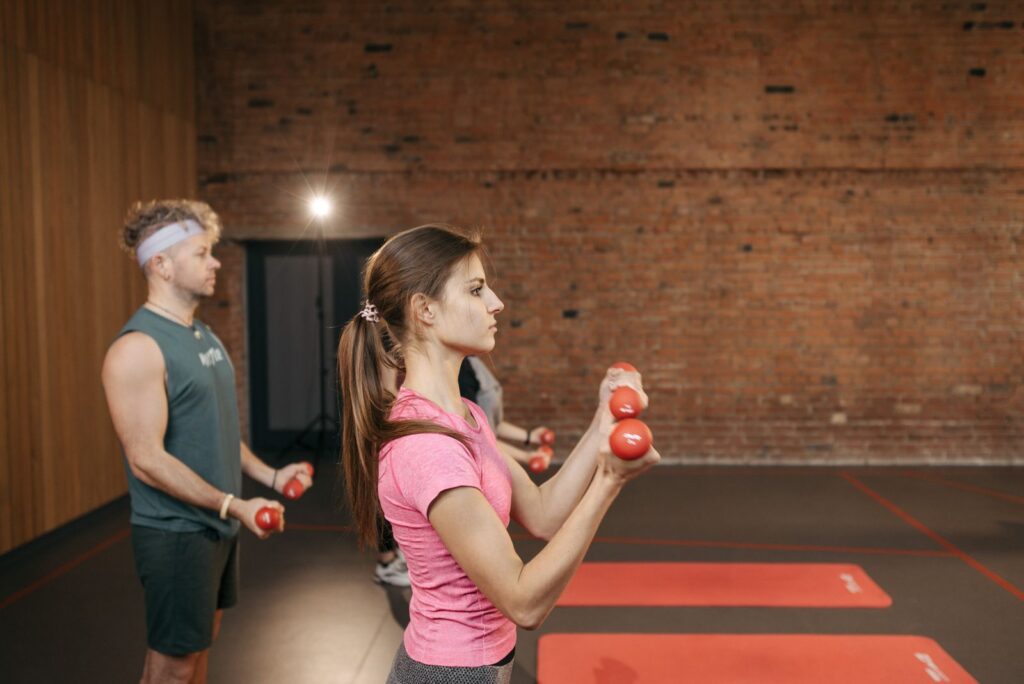
One of the biggest mistakes beginners make is waiting until they know everything before they start.
You don’t need the perfect workout plan, the perfect gym outfit, or perfect technique on day one. Everyone begins as a beginner.
The goal isn’t perfection. The goal is showing up consistently and getting a little better each week.
8. Learn the Major Movement Patterns
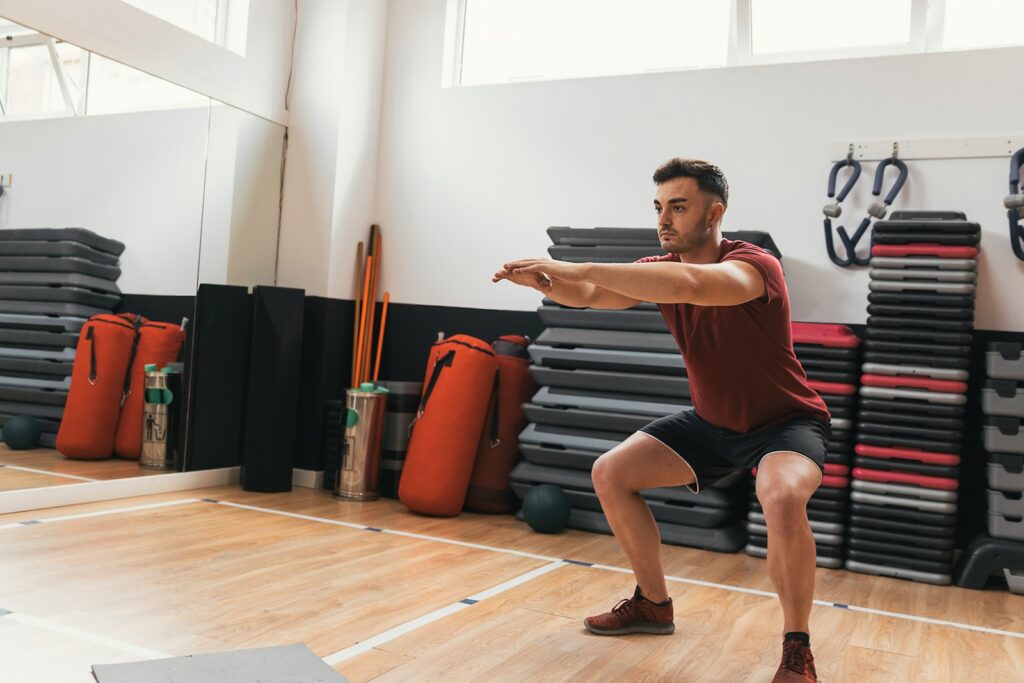
Rather than memorizing dozens of exercises, focus on a few fundamental movement patterns.
These include:
- Squatting
- Pushing
- Pulling
- Hinging
- Carrying
- Core stabilization
Most effective strength programs are built around these basic human movements. Mastering them creates a foundation that supports almost every other fitness goal.
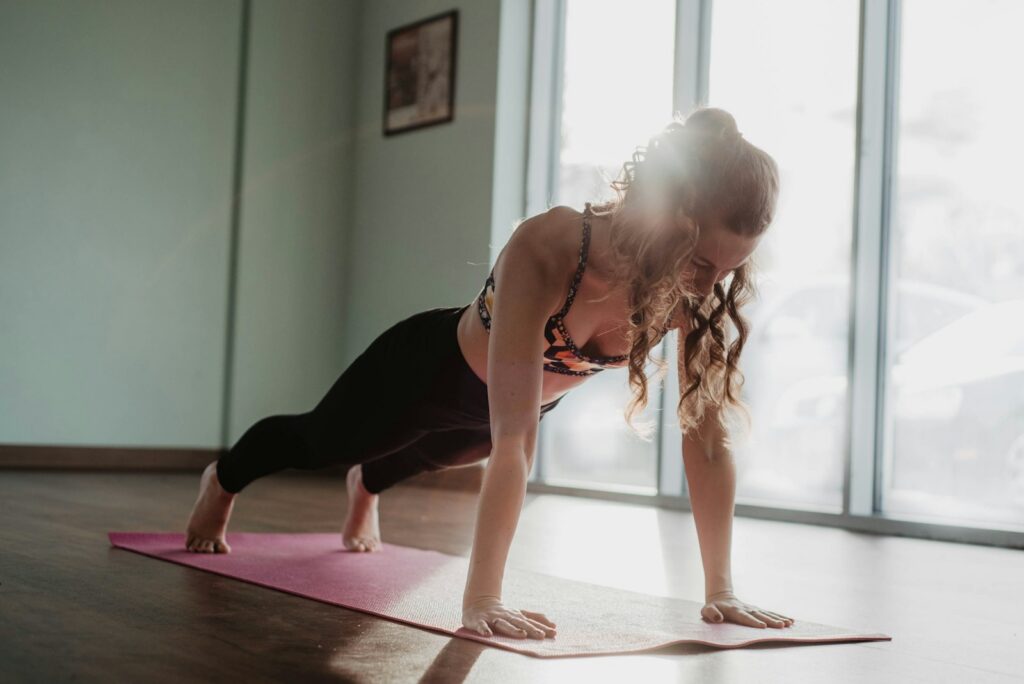
7. Start With Bodyweight Exercises
Before worrying about lifting heavy weights, learn how to move your own body well.
Exercises like squats, modified push-ups, glute bridges, step-ups, and planks help build strength while teaching proper movement mechanics.
Bodyweight training is incredibly effective for beginners and can be done almost anywhere.
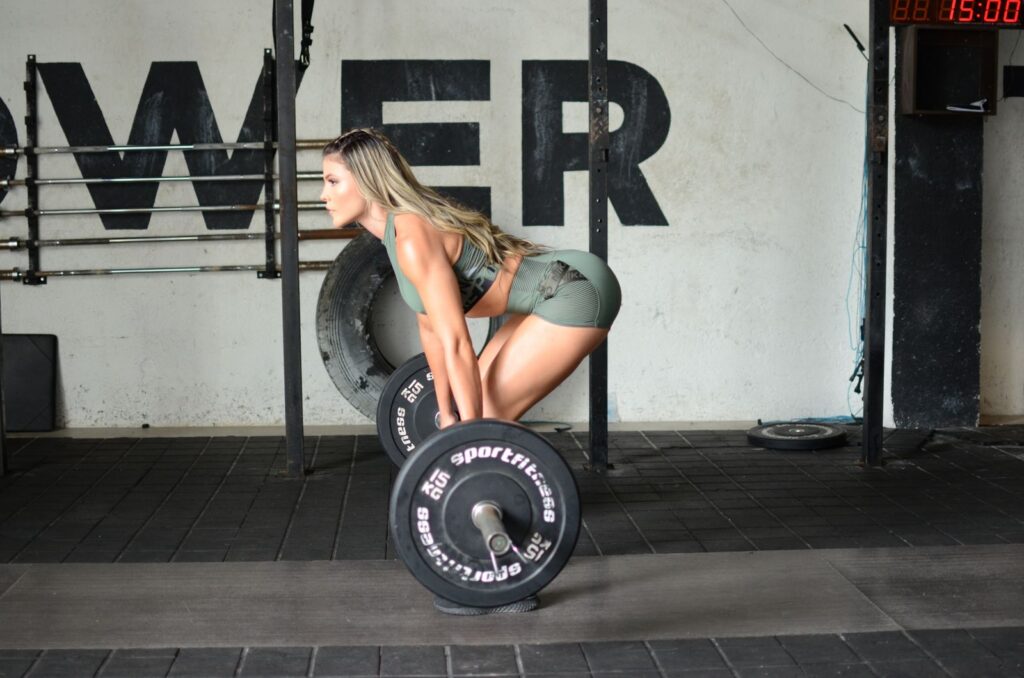
6. Build Your Routine Around Compound Exercises
Compound exercises work multiple muscle groups at the same time, giving you the biggest return for your effort.
Great beginner compound exercises include:
- Squats
- Lunges
- Push-ups
- Rows
- Deadlifts
- Overhead presses
Instead of spending an hour doing isolated movements, focus on exercises that train your entire body.
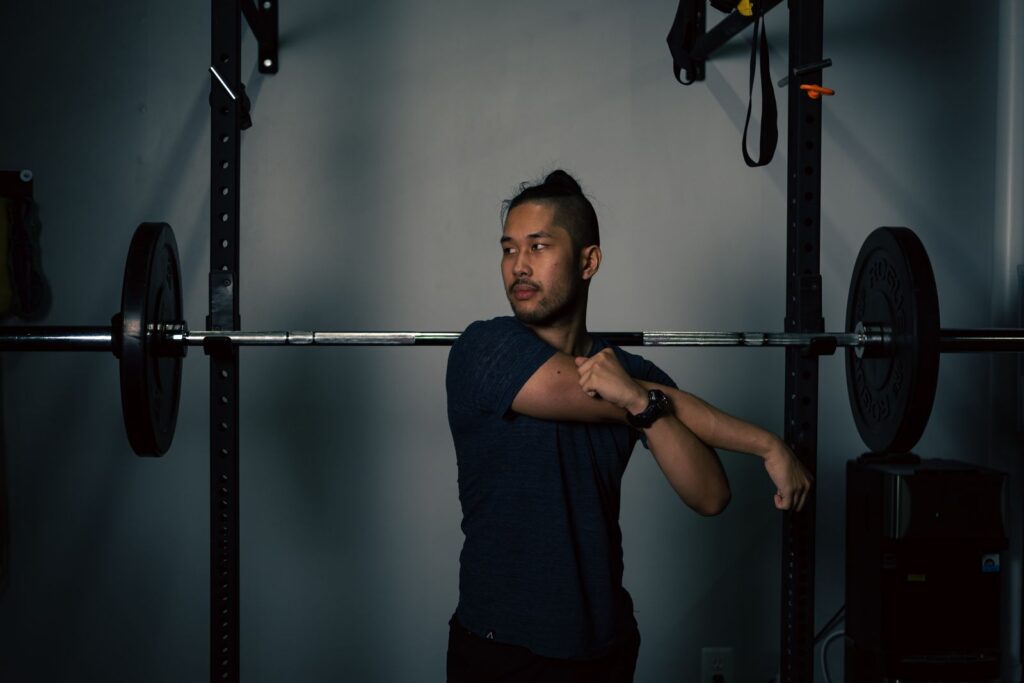
5. Don’t Skip Your Warm-Up
A proper warm-up prepares your muscles, joints, and nervous system for exercise.
Spend five to ten minutes doing light movement before each workout. Walking, cycling, arm circles, bodyweight squats, and mobility exercises are all excellent choices.
A good warm-up can improve performance, increase mobility, and reduce injury risk.
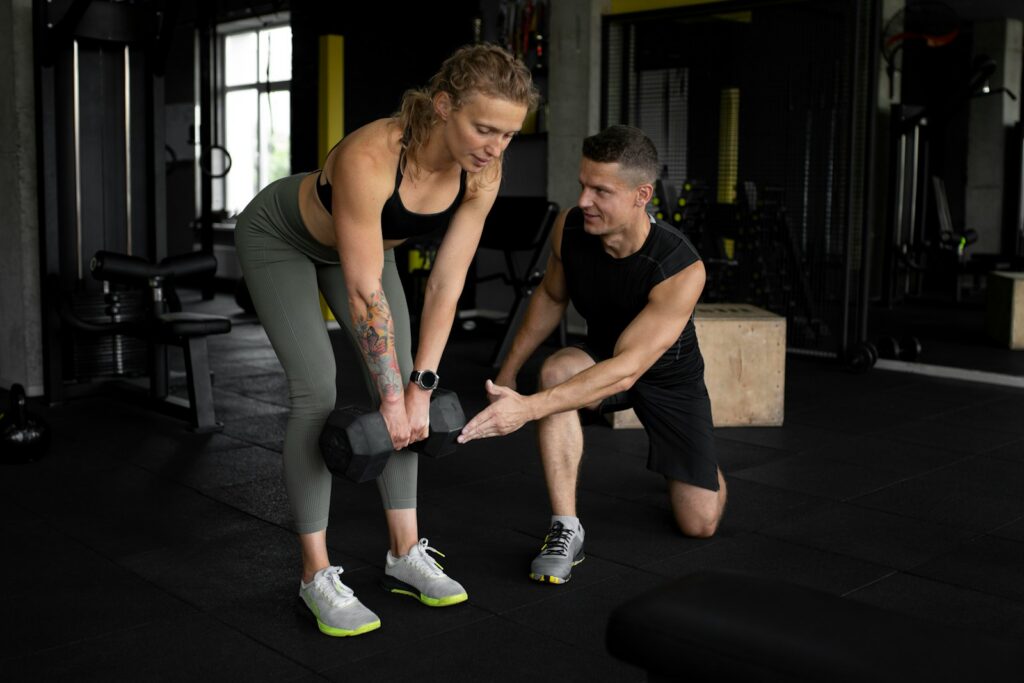
4. Prioritize Form Over Weight
One of the fastest ways to stall progress is lifting more weight than you can control.
Focus on smooth, controlled movements and full ranges of motion before increasing resistance. Good technique builds strength safely and efficiently.
A lighter weight performed correctly is almost always more effective than a heavier weight performed poorly.

3. Give Your Body Time to Recover
Muscles don’t actually get stronger during workouts. They get stronger while recovering afterward.
Most beginners do well with two or three strength-training sessions per week, allowing at least one recovery day between workouts.
Sleep, hydration, nutrition, and rest days are all part of the strength-building process.

2. Track Progress Beyond the Scale
The scale doesn’t always tell the full story.
As you gain strength, you may notice improvements long before you see changes in body weight.
Signs of progress include:
- Lifting heavier weights
- Completing more reps
- Better posture
- Increased energy
- Improved balance
- Less fatigue during daily activities
These victories matter just as much as any number on a scale.
1. Consistency Beats Intensity Every Time
The best workout program is the one you can stick with.
You don’t need six workouts a week or marathon gym sessions to see results. Two or three well-executed strength sessions performed consistently over months will outperform an overly ambitious program that lasts two weeks.
Start small. Build the habit first. Strength develops gradually, but every workout adds another brick to the foundation.
The people who become strongest aren’t necessarily the most talented or motivated. They’re the ones who keep showing up. Over time, those small efforts add up to stronger muscles, better health, greater confidence, and a body that’s capable of far more than you might imagine today.
Read More:
- 15 Easy Ways to Hit 10,000 Steps Without Going to the Gym
- 15 Fitness Fads That Aren’t Delivering Real Results
- 15 Health Myths Medical Experts Wish Would Finally Go Away
Ask us! What questions do you have about content, strategy, pop culture, lifestyle, wellness, history or more? We may use your question in an upcoming article!
Like MediaFeed’s content? Be sure to follow us.
This article originally appeared on Resourcebuzz and was syndicated by MediaFeed.co.