Slang words only Southerners will understand
The American South has produced some of the most linguistically inventive speech in the English-speaking world.
Linguists note that Southern speech is often called “bad” English by people encountering good English they do not recognize. The double modals and indirect constructions are documented grammatical features with roots in older English and immigrant speech.
The terms below come from Mental Floss, Parade, and SlangInsights’ analysis of regional American English. Not everything means what it sounds like.

Bless your heart
According to Mental Floss, it can operate as genuine sympathy, gentle pity or a devastating insult depending entirely on tone and context. If someone makes a foolish remark and receives it in return, they have been called an idiot with a smile on top. Southerners learn to read the difference early. Outsiders rarely do.

Fixin’ to
Mental Floss states it derives from the older English meaning to prepare or arrange something, and it appears in everyday conversation dozens of times a day. It signals intention, not a timeline. Whether the thing happens in five minutes or after a leisurely hour on the porch is an entirely separate matter.
Y’all
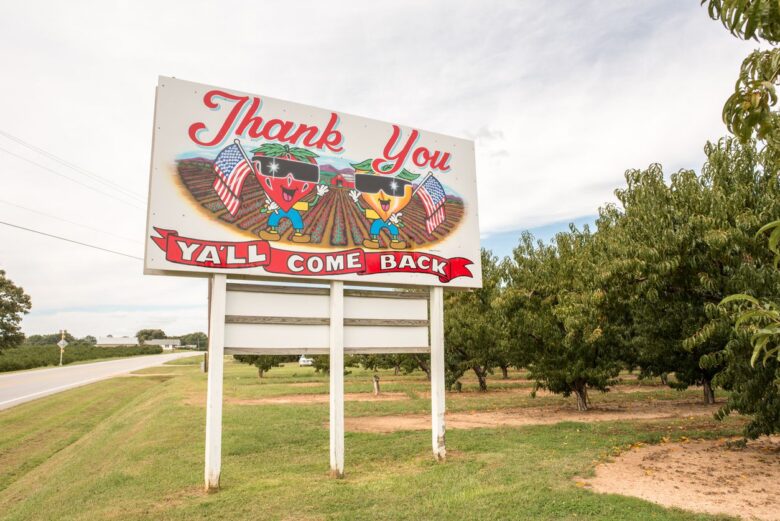
According to Mental Floss, research suggests the term may have first appeared in 17th-century England, though it became distinctly Southern over the following centuries. Teachers once tried to train students away from it as grammatically incorrect. In 2021, it was added to Dictionary.com. The South won this one.

Over yonder
The word has been in use in English since the 1300s, according to Mental Floss, and the South has kept it alive long after the rest of the country moved on. It indicates a general direction, something not nearby but still within the frame of reference. “The creek is over yonder” could mean anything from a ten-minute walk to a distant ridge. Asking for a more precise location will earn you a look.
Hissy fit
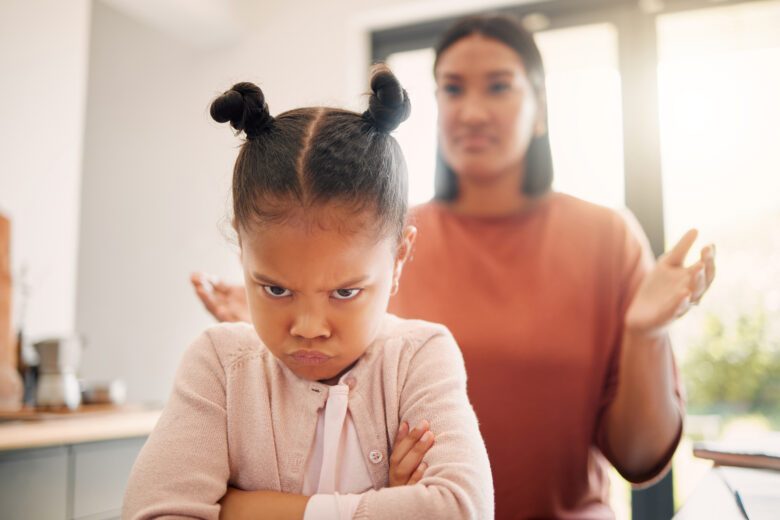
Mental Floss says the term dates to the 1960s, with “hissy” likely derived from “hysterical.” A proper hissy fit involves pacing, raised voices, and a recovery period that may require sweet tea. In the North, it is embarrassing. In the South, it is a recognized emotional category with its own etiquette.
Coke
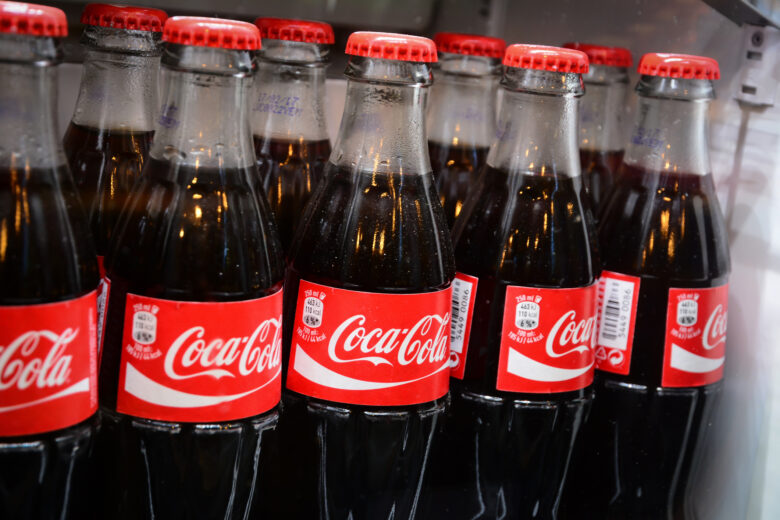
According to Parade, it is a generic term for any carbonated soft drink, regardless of brand. A server asking “what kind of Coke do you want?” may mean Sprite, Dr Pepper or an actual Coca-Cola. Coca-Cola was founded in Atlanta, which explains the origin. That it stuck this broadly is simply the South being the South.

Might could
Where standard American English uses a single modal verb, the South stacks two together. “I might could help you with that” means “I may be able to,” delivered with an appropriate degree of Southern epistemic hedging. According to SlangInsights, double modals trace to Scots-Irish grammatical structures brought to Appalachia in the 18th century. It is one of the most linguistically distinctive features of the Southern dialect.
Wrap up
The South’s linguistic richness is not accidental. It is centuries of cultural convergence, rural tradition, and a deep preference for warmth and indirection. If someone bless-your-hearts you, take a moment before assuming it was friendly. And if someone says they are fixin’ to explain where something is, settle in. They know exactly where it is.
Ask us! What questions do you have about content, strategy, pop culture, lifestyle, wellness, history or more? We may use your question in an upcoming article!
Related:
- Boomer-era slang & sayings Gen Z doesn’t understand
- 10 slang words from the ’70s that used to be cool but aren’t anymore
Like MediaFeed’s content? Be sure to follow us.
This article was syndicated by MediaFeed.co.