Slang words only Midwesterners will understand
Every region has its own linguistic fingerprints, but the Midwest has a particular gift for producing words that stop everyone else cold. Linguists trace much of the distinctive vocabulary to 19th-century immigration patterns, when German, Scandinavian, and Slavic settlers brought their languages with them, and those languages gradually merged with English.
The following terms are drawn from Best Life Online, Word Smarts, and regional linguistic analysis. Where a term belongs to a specific state rather than the whole Midwest, that is noted.
Try to get through this without saying at least one out loud.
Ope
The most universally recognized Midwestern expression, “ope,” is what Best Life Online calls the catch-all exclamation that happens when “oops” and “excuse me” collide at a corner and neither quite makes it through. A native Ohioan describes it to Best Life Online as a word “uttered with absurd frequency,” typically followed by the most polite apologies imaginable. A 2017 tweet went viral when Midwesterners collectively realized they had all been saying it their entire lives without knowing it was specific to them.
Hotdish
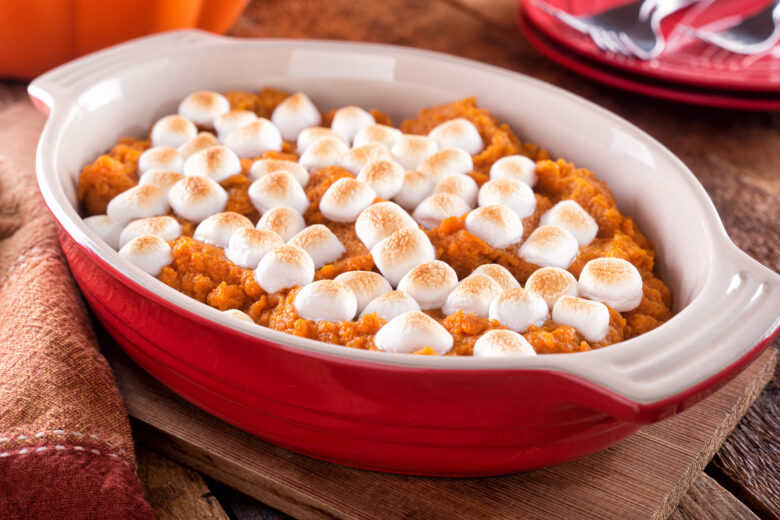
In Minnesota, Wisconsin, and the Upper Peninsula of Michigan, what the rest of the country calls a casserole is a hotdish. The Daily Meal describes the standard version as beef, green beans, corn, and cream of mushroom soup topped with cheese and tater tots. Calling it a casserole in those states is considered a minor social misstep.
Bubbler
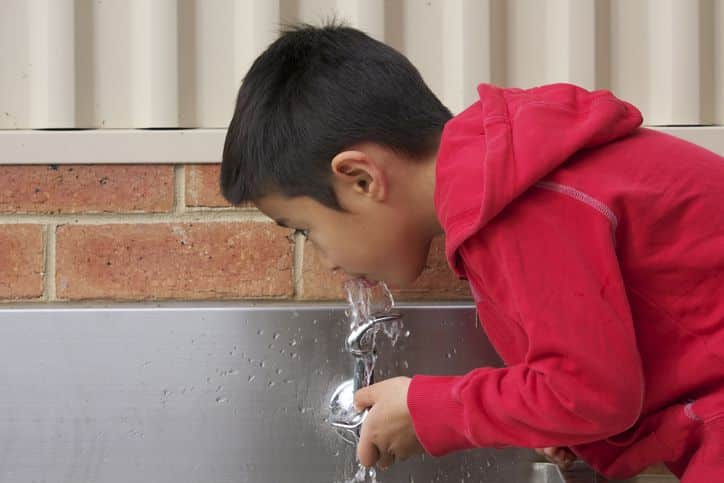
In Wisconsin, a drinking fountain is a bubbler. Art therapist Jodi Rose Gonzales told Best Life Online that the term is so embedded in Wisconsin English that asking for a “water fountain” signals immediately that the speaker is from somewhere else. Its strongest use remains in Wisconsin, though it occasionally surfaces in bordering states.

Pop
What most of the country calls soda, much of the Midwest calls pop. The term is most strongly associated with the region, with Midwestern states consistently topping the “pop” column in national surveys of soft drink terminology. Soda in the Northeast, Coke everywhere in the South, pop in the Midwest. Ordering wrong is one of the region’s most reliable ways of identifying an outsider.

Uffda
Borrowed directly from Norwegian, where it carries essentially the same meaning, “uffda” covers surprise, exhaustion, dismay, and relief with equal ease. Minnesota linguist John Wilder told Best Life Online that it can end almost any sentence describing a hard situation. It is most common in Minnesota and the Dakotas, where Scandinavian immigrant heritage runs deep, and is spelled multiple ways with no standard form.

“Come with”
In Wisconsin and Minnesota, ending a sentence with “with” and leaving the object unstated is grammatically acceptable. “Are you coming with?” means “Are you coming with us?” Some linguists trace the construction to the German verb mitkommen, meaning “to come along.” Given the Midwest’s deep German immigrant heritage, the transfer is historically plausible and well-documented in regional speech studies.
Wrap up
The Midwest is often called the home of standard American English. Under the surface of that neutrality runs a current of words that only make sense if you grew up saying them.
Ask us! What questions do you have about content, strategy, pop culture, lifestyle, wellness, history or more? We may use your question in an upcoming article!
Related:
- Boomer-era slang & sayings Gen Z doesn’t understand
- 10 slang words from the ’70s that used to be cool but aren’t anymore
Like MediaFeed’s content? Be sure to follow us.
This article was syndicated by MediaFeed.co.