Readers asked: What is the most popular airline of 2026?
A reader wrote in with a question that sounds simple until someone tries to actually answer it: which airline is the most popular in America? Not the biggest fleet. Not the most routes. The one people genuinely like.
YouGov Ratings offers a verifiable answer, built from millions of survey responses and split into two separate scores. Fame tracks how many people have heard of a brand. Popularity tracks something rarer, the share of people who actually hold a favorable opinion of it. An airline can rack up near-universal fame while still leaving people cold, which is exactly why this list sorts by popularity rather than name recognition.
Here’s the current top 20, according to YouGov’s most recent quarterly data.

Delta Air Lines
51 percent popularity. Nobody else in the entire ranking clears that number. Delta also leads on fame at 95 percent, the only airline to top both categories at once this quarter.
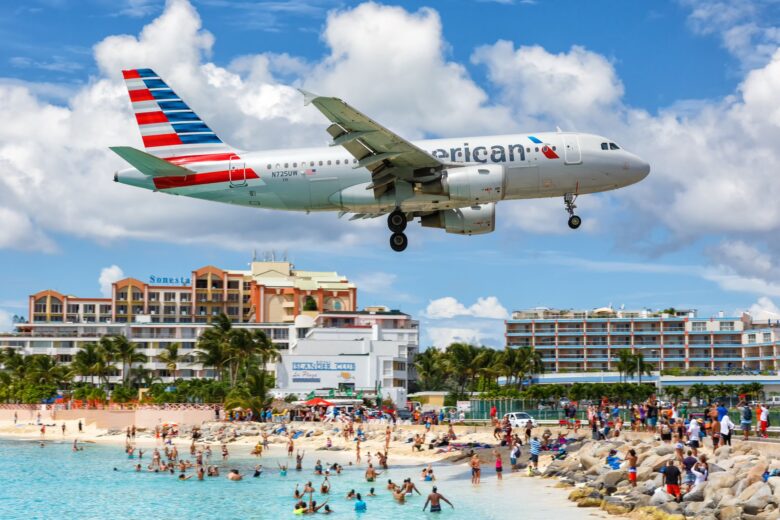
American Airlines
Right on Delta’s heels. Fame sits at 94 percent, popularity at 48 percent, and the numbers are close enough that a shift of a point or two in either direction could flip the order entirely next quarter.

United
44 percent popularity against 85 percent fame, a fame number two points behind Southwest’s and yet United still edges it out on the metric that actually matters here.
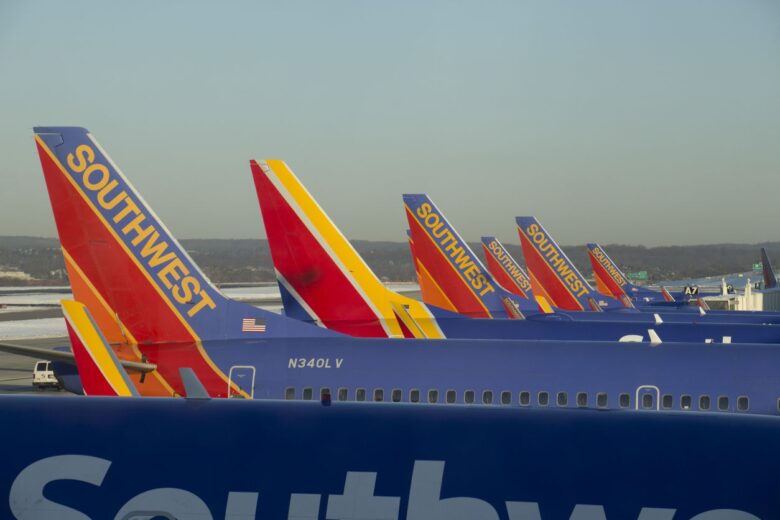
Southwest
Popularity-wise, Southwest sits at 42 percent and United at 44 percent; despite trailing on fame by two points, 87 to 85. No change fees and a loyalty-friendly fare structure apparently carry real weight against a bigger international route map, even after Southwest began charging most flyers for checked bags in 2025

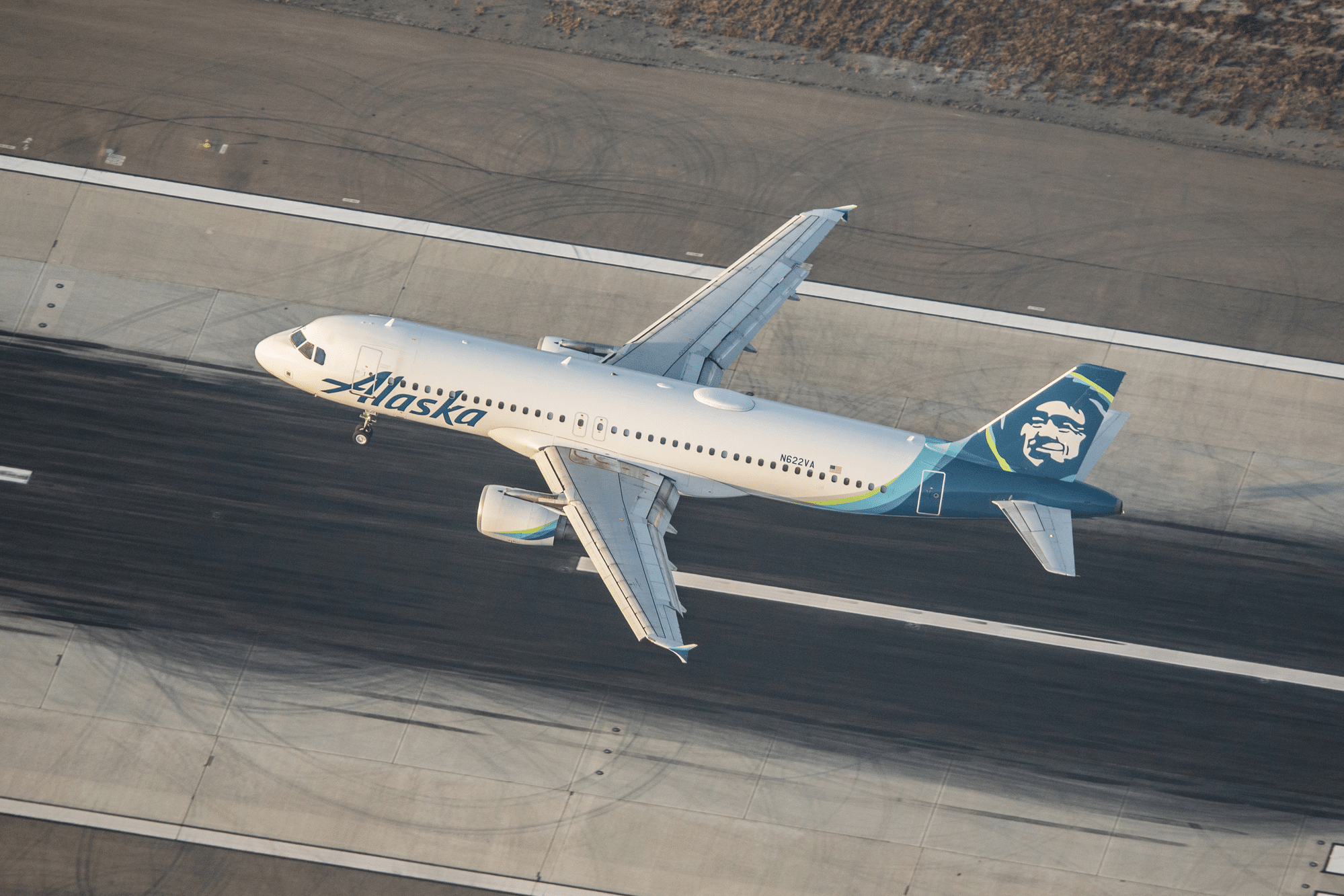
Alaska Airlines
Here’s an unusual one. Only 75 percent of people have heard of Alaska, the lowest fame score in the top five, but 41 percent of them like what they know. That’s the tightest fame-to-popularity gap anywhere near the top of this list.
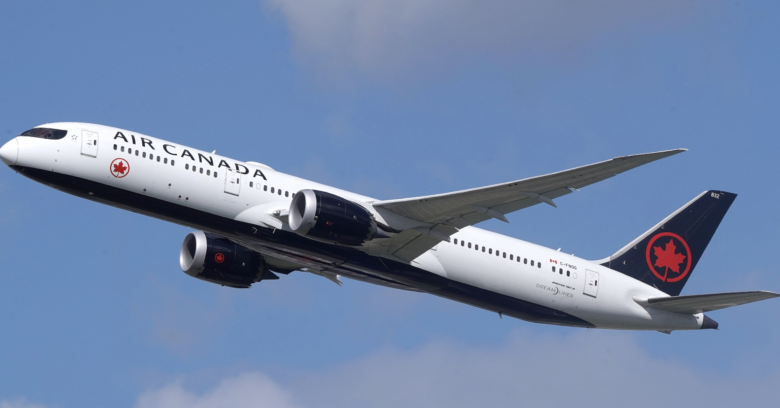
Air Canada
79 fame, 38 popularity. A solid showing for a foreign carrier holding its own against several bigger domestic names, according to YouGov’s brand tracking.
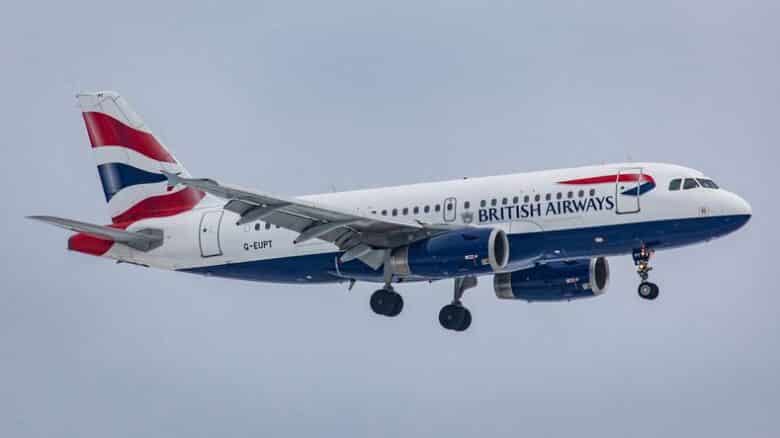
British Airways
77 and 36. Roughly matching Air Canada on recognition while trailing it slightly on approval, a pattern common among international carriers whose US presence runs through a handful of major gateway cities.

JetBlue
83 percent fame. Only 34 percent popularity. That’s a wider gap than anything above it on this list, an odd result for an airline built its whole identity around extra legroom and free wifi, per the current ratings data.
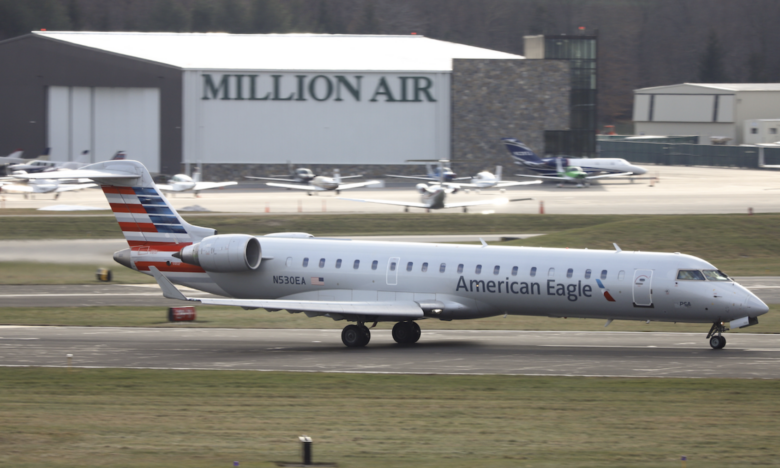
American Eagle Airlines
64 fame, 33 popularity. Noticeably lower name recognition than its parent company American Airlines, which tracks with how often regional partners fly under someone else’s livery and boarding pass. Full numbers here.

Hawaiian Airlines
Fame of 60 percent, popularity of 32. A smaller route footprint outside the islands explains the modest recognition number, but the approval rating holds up fine against airlines with far more name recognition.
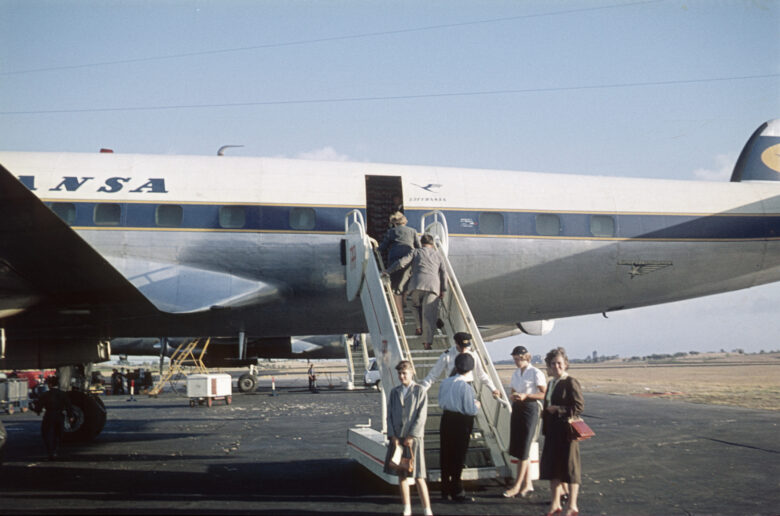
Lufthansa
66 and 30. Middle of the pack, which is about right for a European flagship carrier whose American footprint runs mostly through major hub connections.
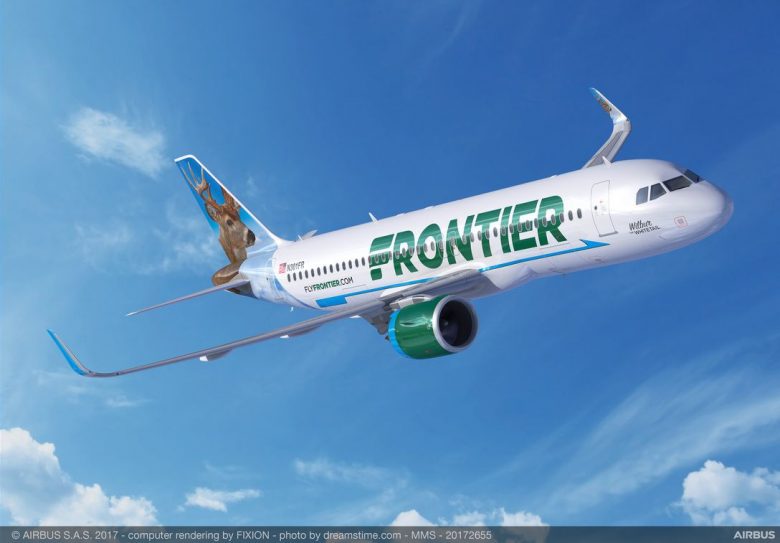
Frontier Airlines
Fame practically matches British Airways at 77 percent. Popularity does not. Frontier sits six points lower at 30, a gap that matches its reputation as an ultra-low-cost carrier built around add-on fees.
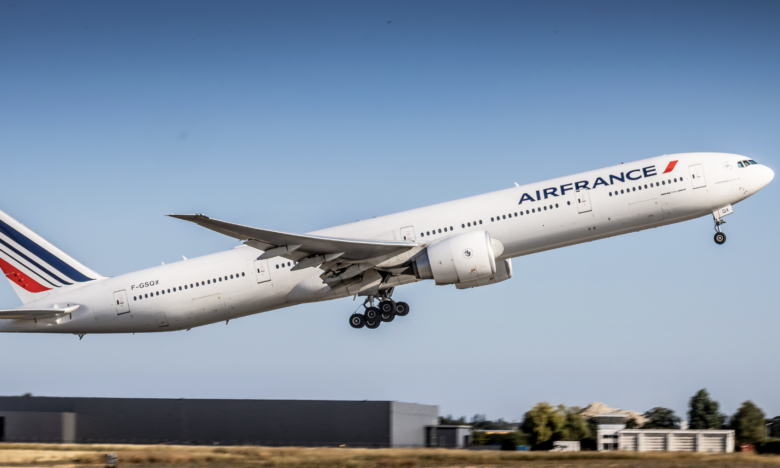
Air France
69 fame, 30 popularity, tying Frontier despite starting from a noticeably lower recognition base. That’s actually one of the better fame-to-popularity conversion rates on the entire list.
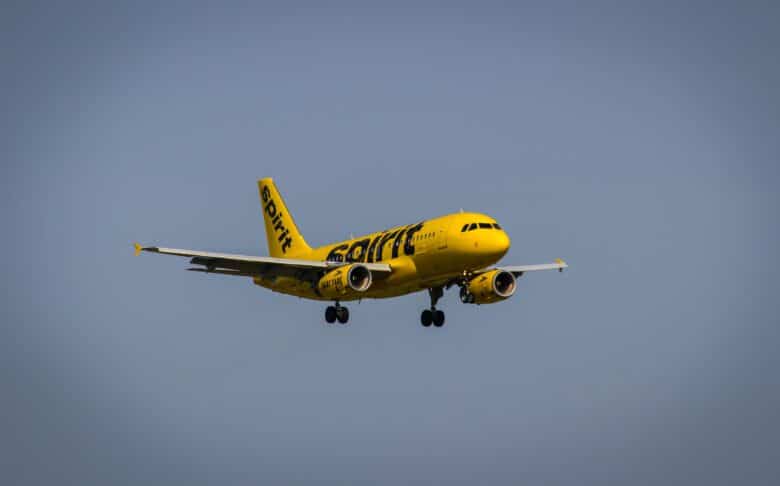
Spirit Airlines
The widest gap on this entire ranking. 89 percent fame, nearly matching the top two airlines, and only 28 percent popularity. Near-universal recognition paired with one of the lowest approval scores here, which tracks with years of bare-bones-service headlines.
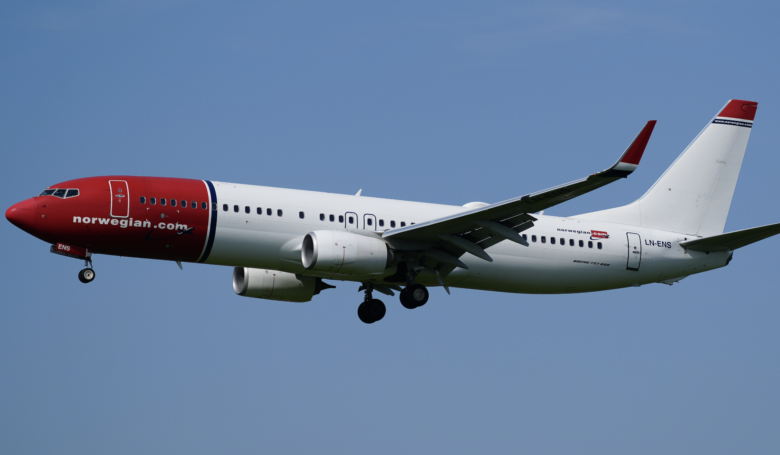
Norwegian
59 and 28, tying Spirit on popularity from a much smaller fame base. Fewer Americans know Norwegian exists, but the ones who do tend to view it more favorably than Spirit’s numbers suggest for a household name.

Allegiant Air
56 fame, 26 popularity, among the smaller recognition scores in the top 20. Consistent with an airline built around smaller regional airports rather than major metro hubs.
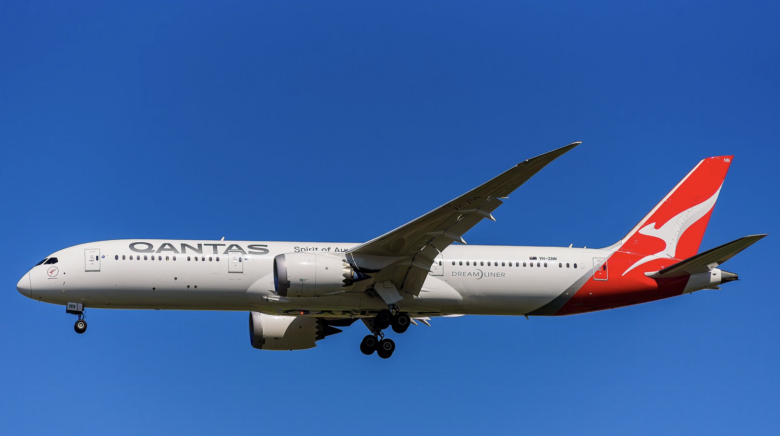
Qantas
58 and 26, tying Allegiant on popularity. A respectable spot for Australia’s flagship carrier given how limited its US footprint actually is, mostly long-haul routes out of a handful of gateway cities.
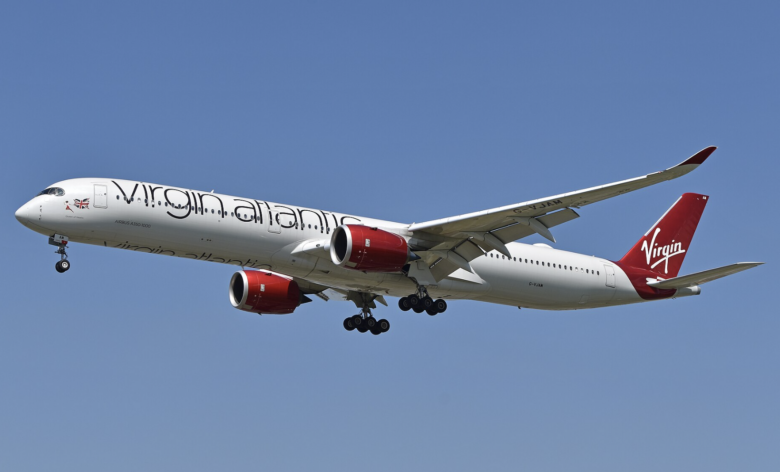
Virgin Atlantic
61 fame, just ahead of Qantas, but 25 popularity, a point behind it. Close enough that the two are functionally tied near the bottom of this top 20.
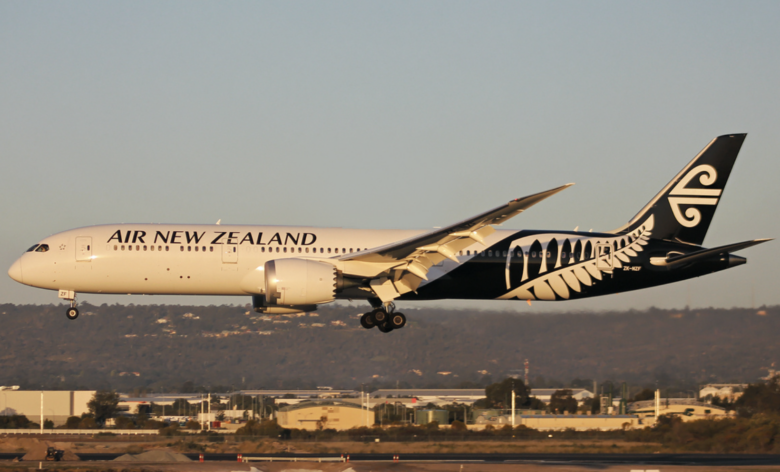
Air New Zealand
The lowest fame score in the entire ranking, 49 percent. Not surprising for a carrier whose US routes mostly run through Los Angeles and not much else. Popularity lands at 24.
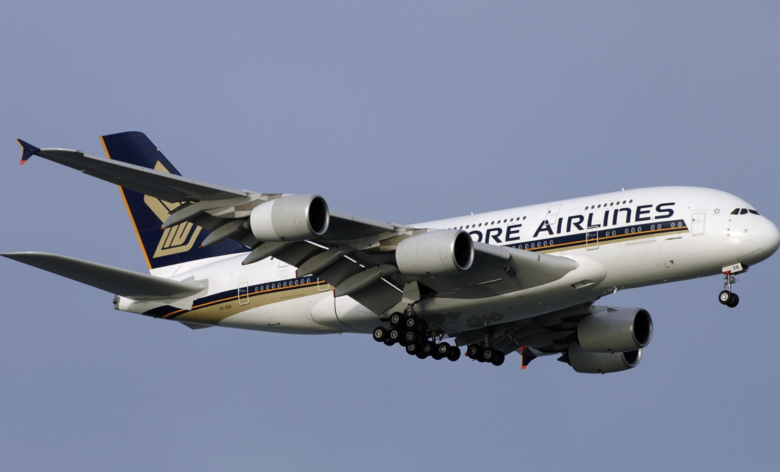
Singapore Airlines
Closes out the list tied with Air New Zealand on popularity at 24 percent, despite a slightly higher fame score of 52. A solid position for a carrier that gets praised constantly internationally but simply doesn’t fly to most of the country.
How this data was collected
YouGov Ratings runs on survey responses collected from the public every single day, not a one-time snapshot poll. The numbers accumulate continuously, and whatever appears on the site at any given moment reflects an average of everything gathered across an entire quarter, in this case the second quarter of 2026. Several months of accumulated opinion, in other words, rather than a reaction to any single headline or travel season.
Ask us! What questions do you have about content, strategy, pop culture, lifestyle, wellness, history or more? We may use your question in an upcoming article!
Related:
- 20 luxury travel upgrades that just might cost less than you think
- 10 travel destinations inspired by your favorite TV shows
Like MediaFeed’s content? Be sure to follow us.
This article was syndicated by MediaFeed.co.