
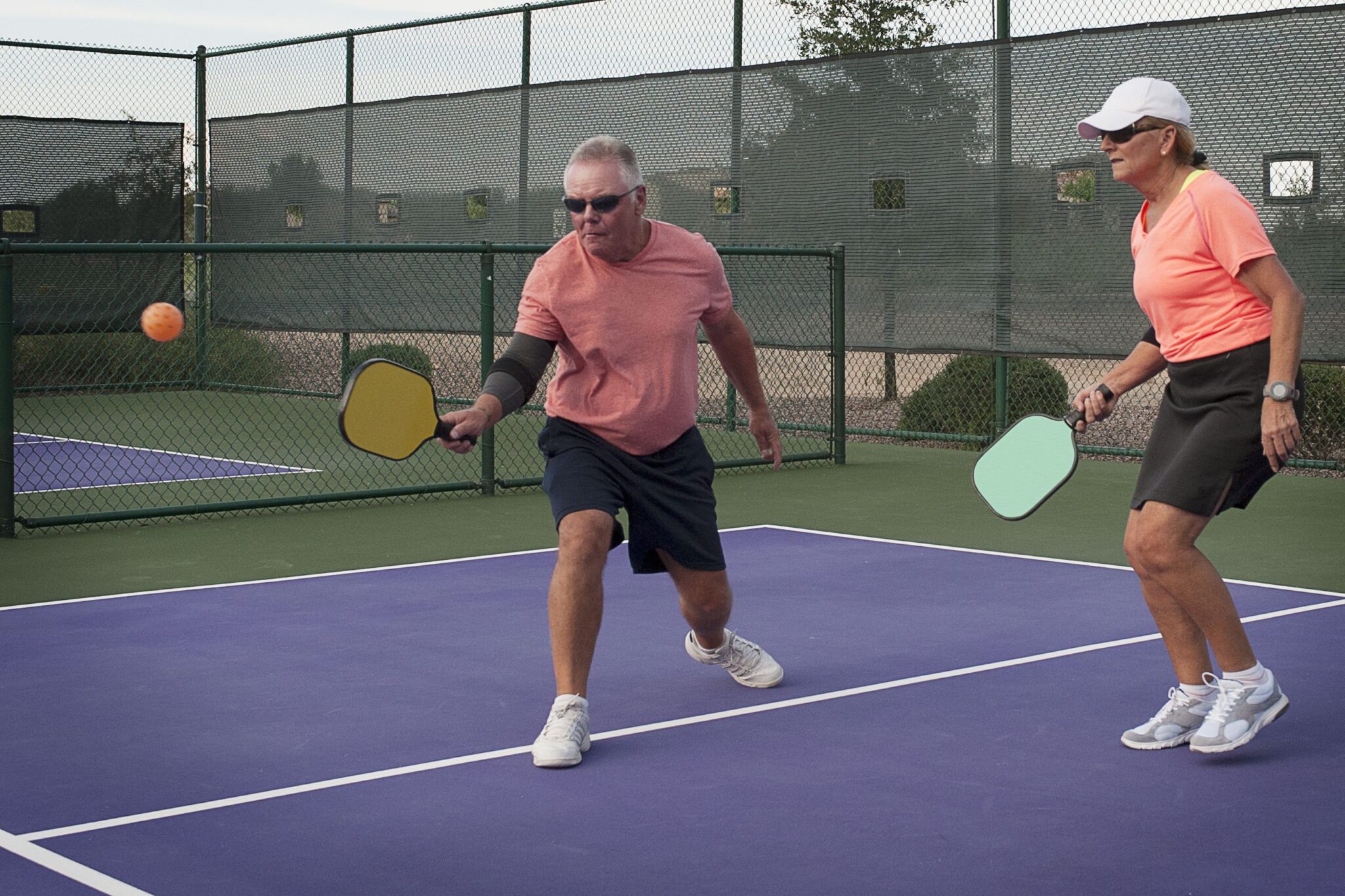
Padel vs. pickleball: Which sport is better for your joints after 40?
At some point in your 40s, the body starts sending memos. Nothing so dramatic, just small notes left on the desk of your morning routine; a knee that tightens up after a run, a shoulder that didn’t used to have opinions about the weather. The message is that you need to move smarter. That’s where padel and pickleball both enter the conversation, because both were effectively designed, if not intentionally, for exactly the life stage where high-impact sports start asking too much. The problem is that both also look considerably easier than they are.
Here is what each sport actually does to a body that hasn’t moved that way in a while.
The trap both sports set
Both look easy to enter, which seems to be the problem to begin with. Stone Clinic says that people walk onto the court with joints that haven’t absorbed sudden dynamic loads in years and start playing like they’re twenty-five. The Achilles tendon, the rotator cuff, the meniscus; all of it gets the bill. Neither sport is the exception.
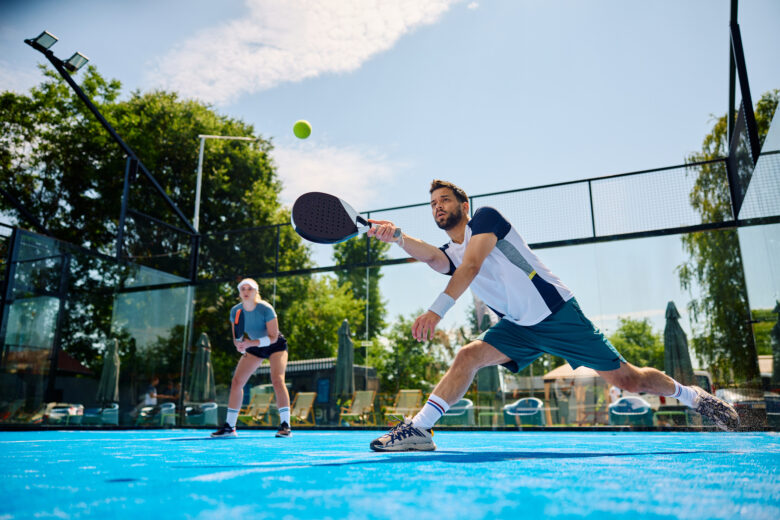
What padel does to your body
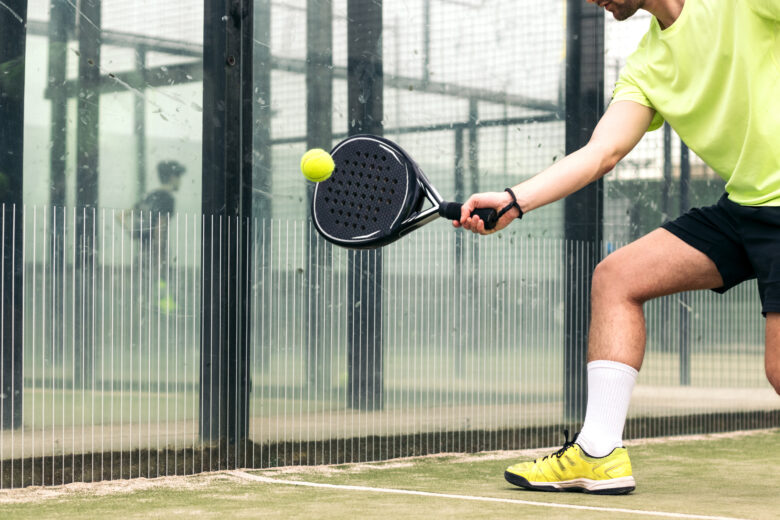
Padel’s larger court means more ground to cover, more direction changes, and more lateral stress on the knees and hips. The unpredictable bounce off glass walls forces reactive shoulder and back movements that accumulate into overuse injuries faster than players expect. The shoulder is most prone to unpredictable strain because the wall reaction removes the predictive element that allows the body to brace properly. The pace is intense. Cleveland Clinic notes that the cardiovascular return is real, but it arrives alongside a physical demand that rewards preparation and punishes the assumption that the small racket makes the game gentle.
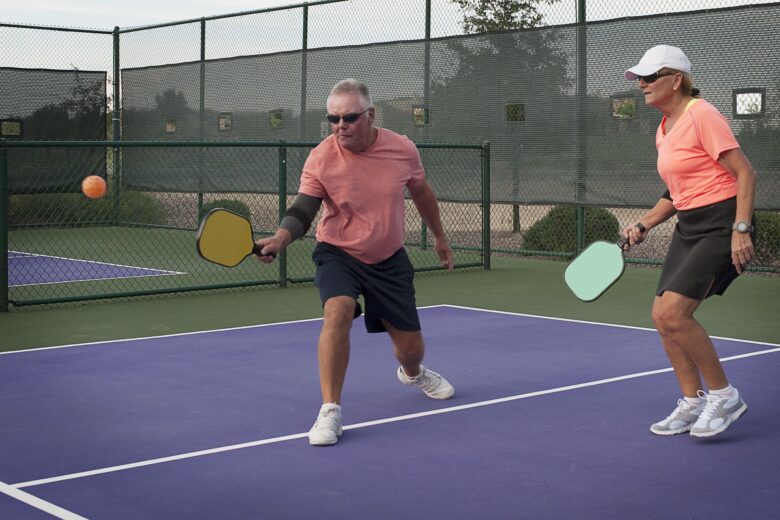
What pickleball does to your body
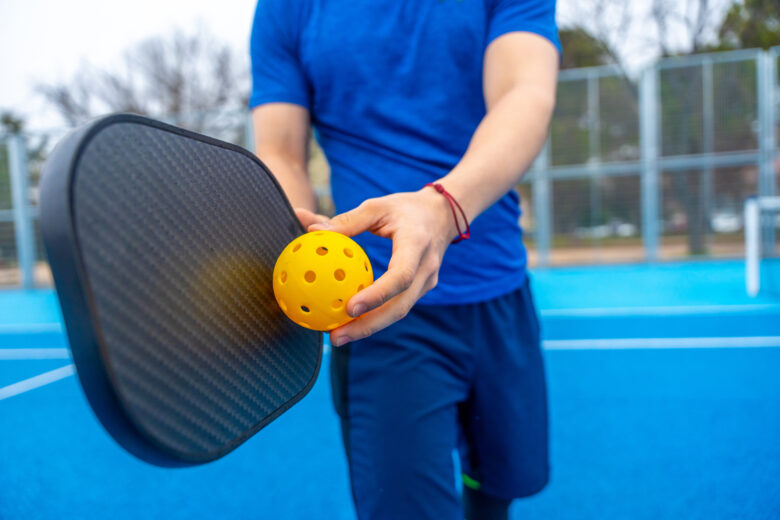
Smaller court, lighter paddle, slower ball. On paper, pickleball is friendlier. In practice, the stop-start intensity accumulates in ways that catch players off guard. Baptist Health documents pickleball elbow, rotator cuff tendinitis, wrist strains, knee sprains, and Achilles tendinitis as the most common overuse presentations. PMC research found that players over 65 suffer wrist fractures at higher rates than the general population, mostly from falls. The sport feels gentle. It is not always gentle.

The knee question
Both sports involve rapid directional changes that stress the knee joint. Padel’s larger court and wall-bounce reactions demand more explosive knee work per rally. Pickleball’s shorter court reduces running distance but increases the frequency of quick lateral stops, which load the meniscus differently. Neither is safe for players with pre-existing ACL or meniscus issues without modification. The load differs. The risk does not disappear.

The shoulder question
Padel smashes require full rotational force through the rotator cuff. Pickleball’s lighter paddle demands less power, but the repetitive volley exchange at the kitchen line creates its own cumulative strain. Baptist Health notes rotator cuff tendinitis, shoulder impingement, and labral tears as the most common pickleball shoulder presentations. Stone Clinic is clear that sore rotator cuffs are among the most common injuries in both sports. Treatable. But only after the damage is done.
The wrist question
Pickleball takes the harder hit in the data. PMC documented wrist fractures from falls as the most common injury requiring surgery in players over 65. Padel wrist injuries tend to come from wall-return shock transmitted through the racket rather than falls. Different mechanisms, similar consequence.
The bottom line
Pickleball is gentler on the shoulder load and places less explosive demand on the knees. Padel removes most fall risk but loads the back and shoulder with less predictable force. Both will find your weak points eventually. The answer for both is the same: ease in, warm up, and take the first six weeks considerably more seriously than either sport’s reputation suggests you need to.
Ask us! What questions do you have about content, strategy, pop culture, lifestyle, wellness, history or more? We may use your question in an upcoming article!
Related:
- 10 hidden signs burglars are about to rob your house
- Simple habits that make your home a hard target
Like MediaFeed’s content? Be sure to follow



