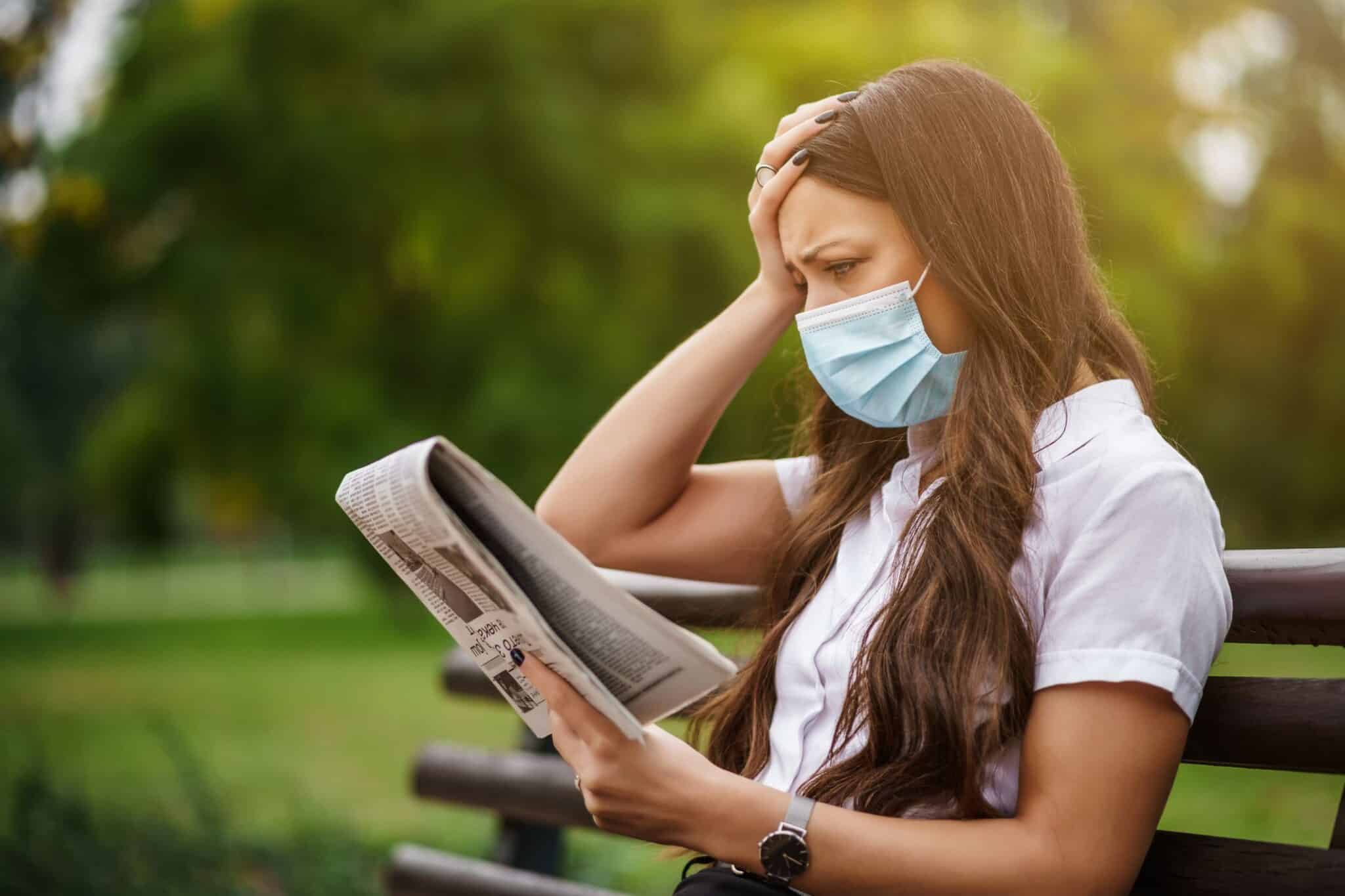
Medical myths older adults should stop believing
Health advice quietly expires the same way anything else does, except nobody prints an expiration date on it. The version still repeated at family dinners often isn’t the one doctors recommend anymore, and a few of these myths sound reasonable enough that nobody ever questions them.
This article is for general information only and isn’t medical advice. Anyone with questions about their own health, medications, or treatment plan should talk to a doctor.

Weaker immune systems supposedly mean vaccines carry more risk with age. The math runs backward.
A weaker immune response to infection is exactly why vaccination matters more as people get older, not less. Skipping shots later in life moves in precisely the wrong direction.

Pain is not a toll everyone pays just for getting older
More conditions do show up with age. That’s a separate fact entirely from pain being untreatable. Movement, physical therapy, medication adjustments, and targeted treatment can genuinely improve daily life in most cases. Gritting through it was never the recommended plan.

Five prescriptions, five different doctors, and nobody looking at the full list together
That’s how dangerous drug interactions slip through unnoticed. Most Americans are on at least one chronic prescription by 60, and the more medications pile up, the higher the risk of overmedication, falls, and interactions that no single specialist working alone would ever catch, a pattern with an actual clinical name: polypharmacy.

“I feel fine, so why bother with a checkup”
Plenty of the conditions doctors screen for produce zero symptoms until real damage has already occurred. High blood pressure, early-stage diabetes, and certain cancers can all progress silently for years, and annual visits exist specifically to catch what feeling fine can’t reveal on its own.

Cold weather
Not the actual cause of a cold. A virus is. People get sick more in winter mostly because everyone’s crammed indoors together with worse ventilation, giving the virus far more chances to spread than the temperature outside ever provides.

Stubbornness with age often has a name, and it isn’t stubbornness
Hearing loss. Poor sleep. Unaddressed pain. A loss of control over daily routine. Any of these can look exactly like rigidity from the outside. Older adults given real support, choice, and a routine that fits their life tend to stay curious and engaged well past what the stereotype predicts.

The bottom line
None of these myths survived because the evidence was ever on their side. They survived because repetition alone can make outdated advice sound like settled fact, and the fix is usually just one honest conversation with a doctor.
Ask us! What questions do you have about content, strategy, pop culture, lifestyle, wellness, history or more? We may use your question in an upcoming article!
Related:
- At-home lab tests promise answers—but do they deliver?
- Grandma’s remedies meet modern medicine: health apps that actually work
Like MediaFeed’s content? Be sure to follow us.
This article was syndicated by MediaFeed.co.