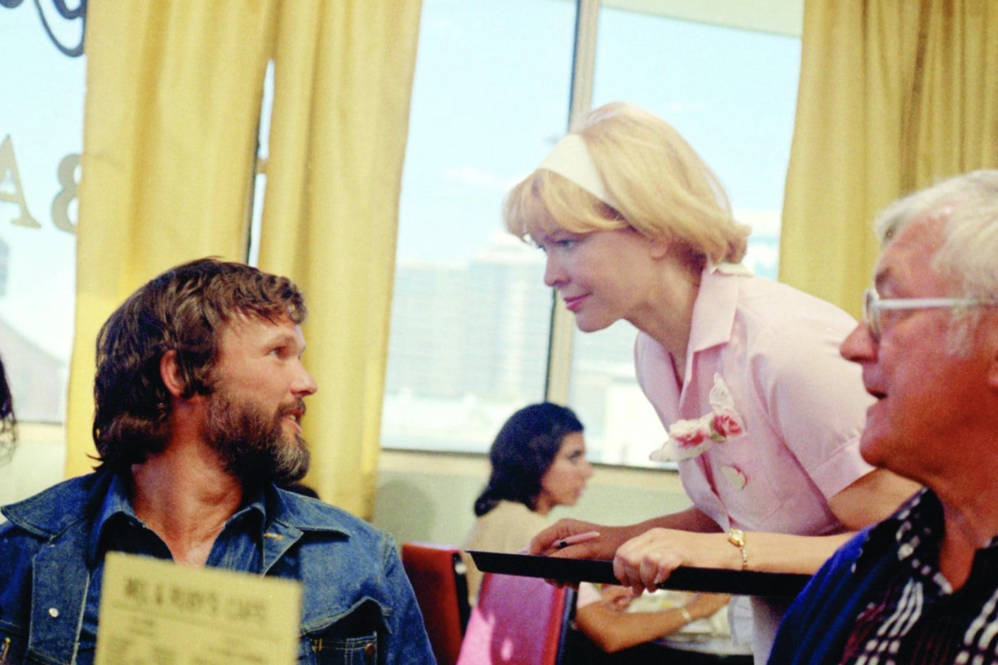
Phrases from the ’70s that completely disappeared from the English language
Stuart Hall wrote about the cultural factors that shape national identity, and one of them is linguistic: the strategies people use to distinguish themselves from one another. Your accent, your social class, the school you attended, the friends you keep, the phone you carry. You name it. None of that has died.
Language shows your personality, but it also marks a moment in history. Language is epochal. Here are a few phrases that belonged to one decade and then stopped.

Keep on truckin’
Crumb published a one-page cartoon under that title in the first issue of Zap Comix in 1968. He illustrated “Truckin’ My Blues Away,” a 1936 record by Blind Boy Fuller, and the word came from a Harlem dance step of the 1920s. No trucks in it anywhere. The drawing ended up on T-shirts and van murals, and the phrase came to mean: don’t give up.
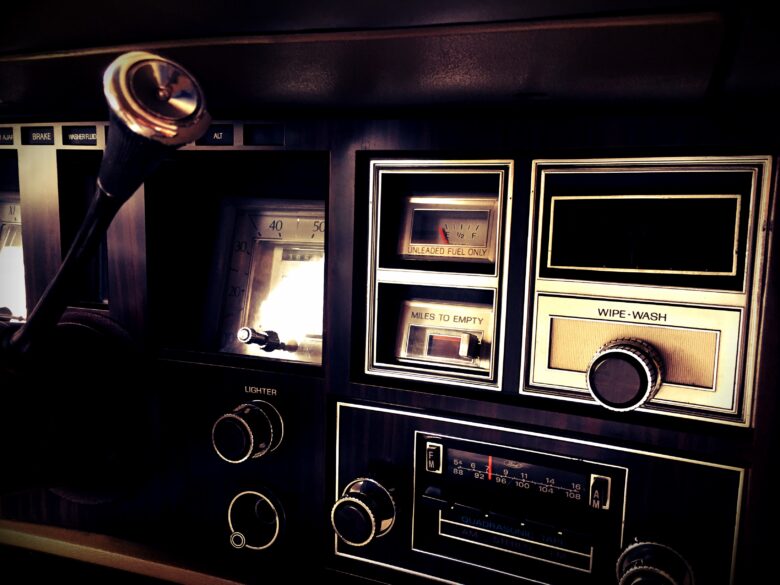
10-4, good buddy
This one has a date and a cause. The 1973 oil crisis brought a national 55 mph speed limit, and truckers took to CB radio to find fuel and warn each other about police. Then C.W. McCall’s “Convoy,” told almost entirely in CB slang, hit No. 1 on January 10, 1976.
People without a radio or a truck started saying it. By 1977, the FCC had to expand CB from 23 channels to 40 to carry the traffic.

Catch you on the flip side
The flip side is the B side of a record. Disc jockeys used the term for years before truckers borrowed it, and it became CB lingo in the 1970s. It outlasted the format it described by about thirty years.
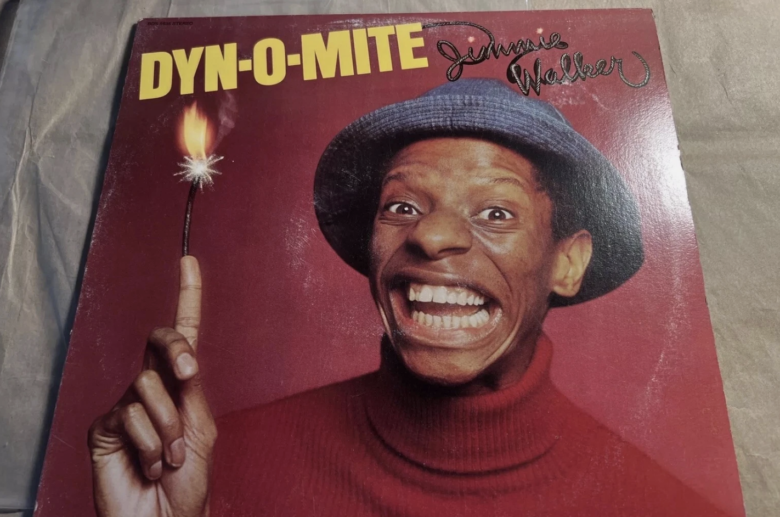
Dyn-o-mite!
Nobody involved wanted it. Director John Rich invented the line for J.J. Evans on “Good Times,” and both Jimmie Walker and Norman Lear were against it. Walker told the Television Critics Association he’d warned Rich that “people will never buy it.” He said it on every episode from 1974 to 1979, and strangers still shout it at him.

Up your nose with a rubber hose
John Travolta’s first major television role was Vinnie Barbarino on “Welcome Back, Kotter,” and this was his answer to any sign of disrespect. It rhymes, and it means nothing, which is exactly why every schoolyard in the country picked it up.
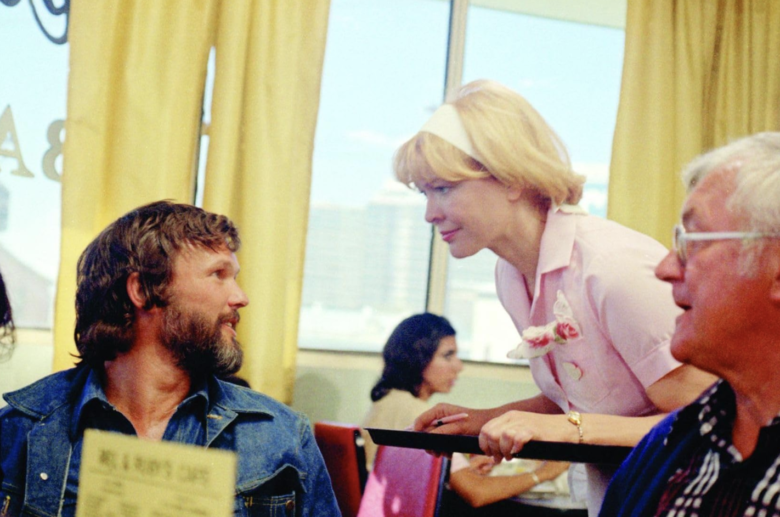
Kiss my grits
A censor is responsible for this one. In the film “Alice Doesn’t Live Here Anymore,” the character Flo says, “kiss me where the sun don’t shine.” For the 1976 CBS series, the line was softened to “kiss my grits” to clear broadcast standards. Polly Holliday delivered it so well that people adopted it off-screen.
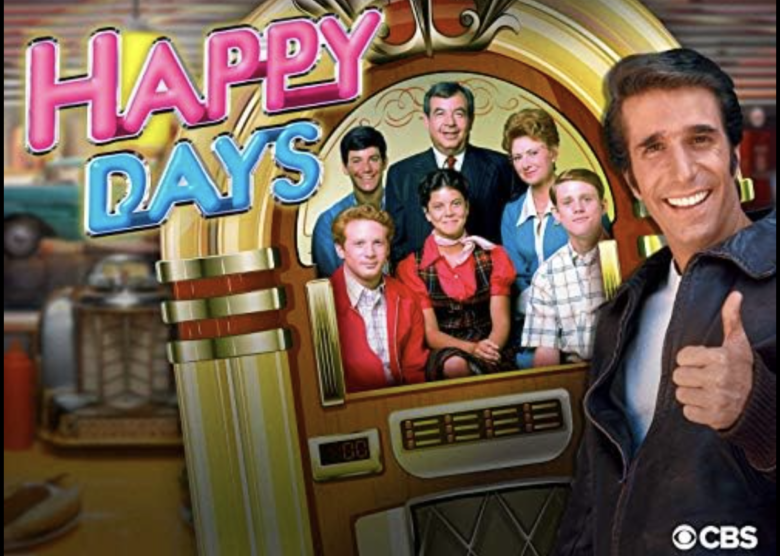
Sit on it
“Happy Days” was set in the 1950s and written for families, so it needed an insult with all the force of profanity and none of the content. The show arrived in 1974, and the phrase spread through school hallways from there.

Far out
Older than the decade it belongs to. It came out of jazz, and the Oxford English Dictionary traces this sense of it to a 1954 quotation. Something far out was so new it was beyond reach. “Awesome” took its place and reaches nowhere.

The bottom line
“Convoy” topped the chart on January 10, 1976, and the FCC expanded CB radio the following year. Crumb’s cartoon ran in 1968, borrowing its line from a 1936 blues record.
Ask us! What questions do you have about content, strategy, pop culture, lifestyle, wellness, history or more? We may use your question in an upcoming article!
Related:
- 10 slang words from the ’70s that need to make a comeback ASAP
- Some of the most surprising record deals in music history
Like MediaFeed’s content? Be sure to follow us.
This article was syndicated by MediaFeed.co.