
Discoveries that left even seasoned archaeologists scratching their heads
In 1900, a sponge diver off the Greek coast surfaced with a corroded lump of bronze no one could identify. It sat in a museum drawer for decades. When researchers finally understood what it was, the answer was genuinely alarming — a fully functioning astronomical computer built two thousand years before anyone thought that was possible. Not a rough prototype. A sophisticated, precise, multi-function machine with no known precedent and no known successor for fourteen centuries.
Some finds break the model. Here are several that have not been reassembled.
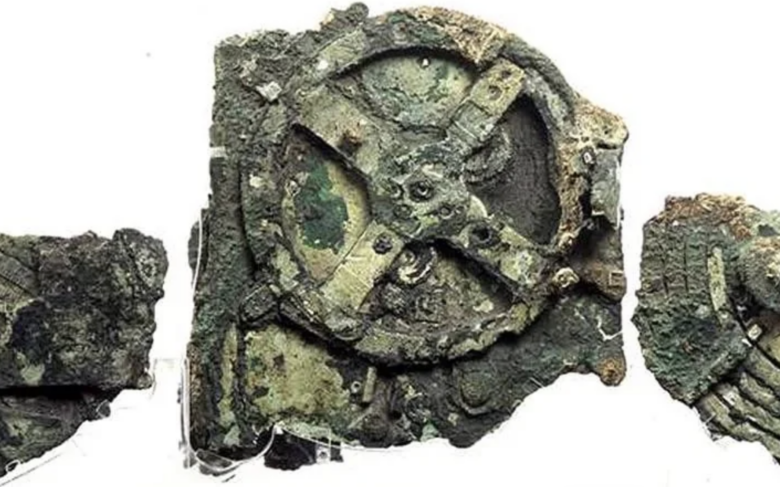
The Antikythera mechanism
Pulled from a Roman-era wreck in 1901 and cataloged as debris, Smithsonian Magazine confirmed it contains more than 30 interlocking bronze gears capable of predicting lunar phases, solar eclipses, and the Olympic calendar, built around 100 BCE. Nothing remotely comparable appears in the archaeological record for the next 1,400 years. Eighty-two fragments survive. Who built it is unknown, where the technical knowledge came from is unknown, and why no similar device has ever been found anywhere else on Earth is a question the field has carried for over a century. Still open.
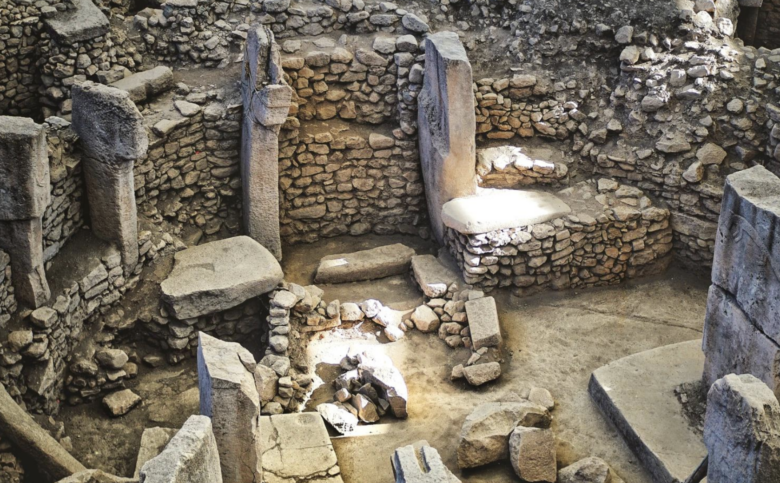
Gobekli Tepe
12,000 years old. Hunter-gatherers built it with no agriculture, pottery, metal, or wheels. National Geographic confirmed it predates Stonehenge by 6,000 years. Sixteen-ton limestone pillars, carved with animal reliefs, arranged in geometric precision by people who, according to every prior model of human development, had no business doing anything of the kind. Then buried deliberately, by the same people who built it, for reasons that remain completely unclear even after an excavation running since 1995. No good answer. Not even a leading theory.

1986. A diving instructor, right angles
Makoto Kimura found the Yonaguni Monument while diving off the Japanese coast: flat terraces, staircase formations, right angles in rock at 120 feet depth. The Smithsonian covered the argument that followed: man-made and 10,000 years old versus natural sandstone geology producing right angles under pressure, and both sides have held their positions for nearly forty years. Still no resolution. The structure has no opinion.
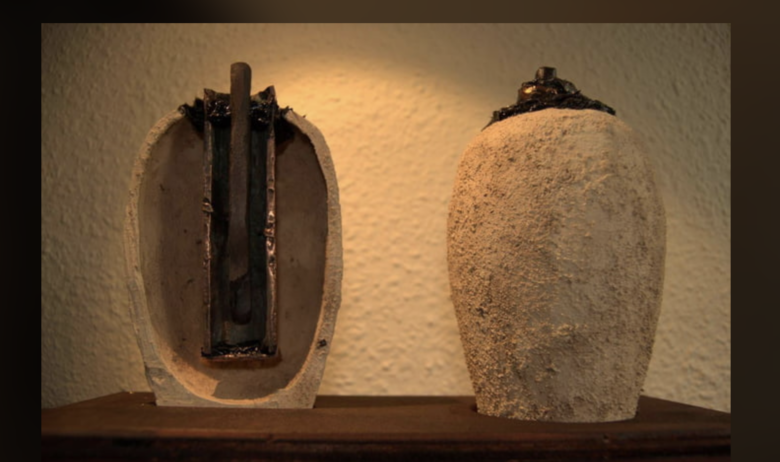
The Baghdad Battery
Clay jar, iron rod, copper cylinder. Found near Baghdad in the 1930s, replicated with grape juice as the electrolyte, it produces a measurable electric current, which either makes it a 2,000-year-old battery or a storage vessel that happens to behave like one when you add acid. Researchers have been arguing about it for ninety years. Ninety. For a jar.

Six hundred years but only one word
Yale’s Beinecke Library holds the original, a 15th-century manuscript in an unknown script illustrated with plants that match no known species. Military codebreakers examined it during World War II. The NSA tried. Multiple AI systems have since attempted it. Six hundred years of serious cryptographic attention from some of the most capable institutions in history, and nobody has decoded a sentence, a phrase, or one single word. Still zero.

The bottom line
Someone found each of these expecting something else entirely. Wrong find, right career. The sponge diver expected coral, the archaeologist at Göbekli expected a medieval cemetery, and what each of them turned up instead has since occupied researchers for decades without resolution, which says less about the limits of the field and more about how thoroughly the past can refuse to explain itself. It does that a lot, actually. More than the models suggest.
Ask us! What questions do you have about content, strategy, pop culture, lifestyle, wellness, history or more? We may use your question in an upcoming article!
Related:
- Historical “discoveries” that turned out to be elaborate hoaxes
- Some of the most surprising record deals in music history
Like MediaFeed’s content? Be sure to follow us.
This article was syndicated by MediaFeed.co.