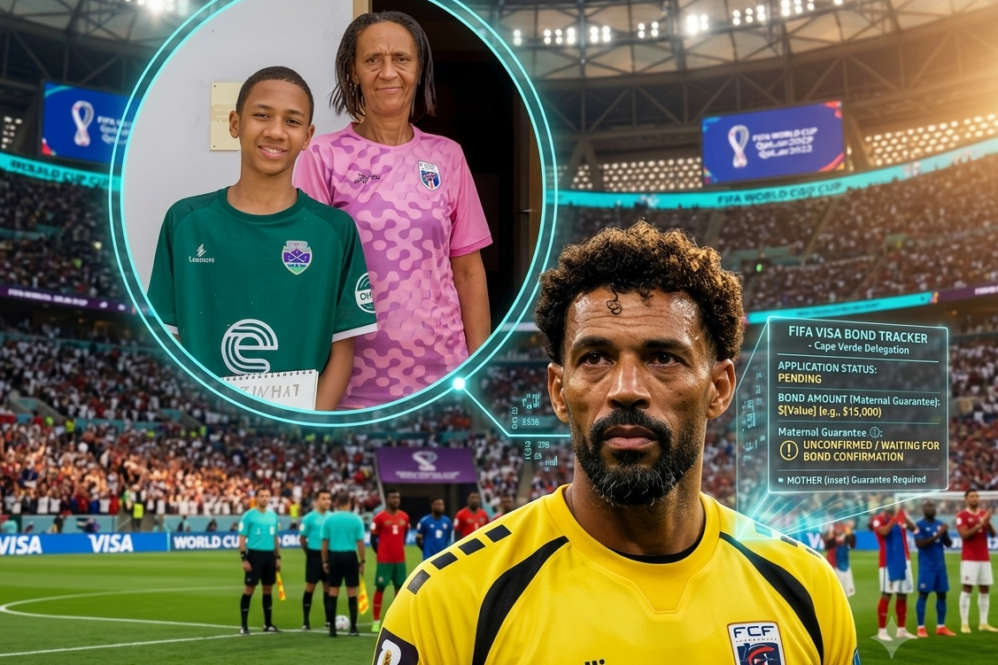
How travel and visa restrictions became a World Cup story
The 2026 World Cup is the largest in history since it includes 48 nations, three host countries, and stadiums across the United States, Mexico and Canada. It is also, by most accounts, the most politically complicated World Cup ever staged on American soil. The complications have had a specific texture: not the usual match-fixing allegations or stadium controversies, but the mechanics of who gets to cross a border and who doesn’t. Several of the tournament’s most resonant stories so far have had nothing to do with what happened on the pitch.
The Somali referee who never made it
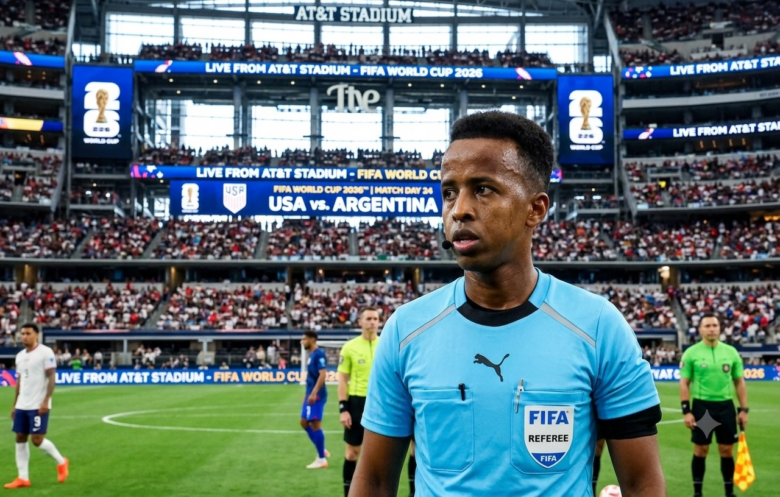
Omar Artan arrived at Miami International Airport from Istanbul and was denied entry by US Customs and Border Protection. He had been selected by FIFA to referee at the World Cup. Somalia is on the US list of restricted countries for immigration. ESPN reported that CBP determined him inadmissible due to “vetting concerns” and that FIFA said it was not involved in host-country immigration processes. Artan released a statement saying he was in a positive mood and focused on future competitions. FIFA lost one of its World Cup referees before a single match was played.
Iran’s staff members who couldn’t enter the country
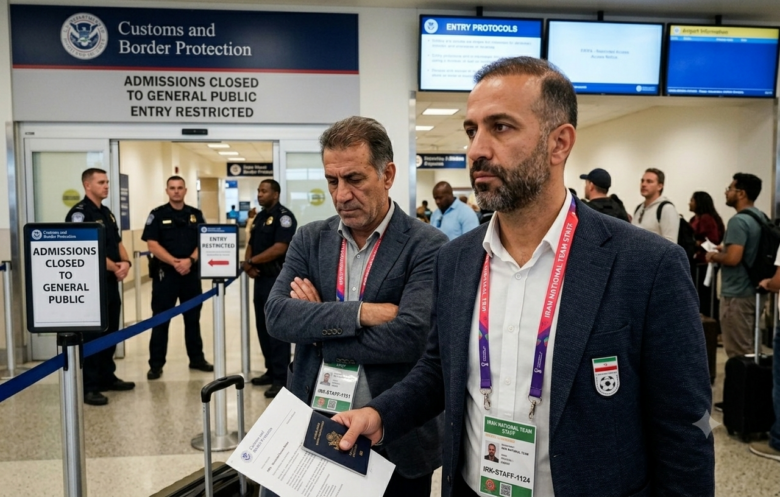
Iran’s players were eventually cleared. Their support staff was not entirely. ESPN reported 14 staff members were denied US visas, including the federation’s vice president. All three of Iran’s group stage games were played on US soil. Forward Mehdi Taremi told ESPN he had been to three World Cups and had never felt an atmosphere like this one, in other words, full of tension in a way that had nothing to do with football.
The Cape Verde goalkeeper whose mother couldn’t afford the visa bond
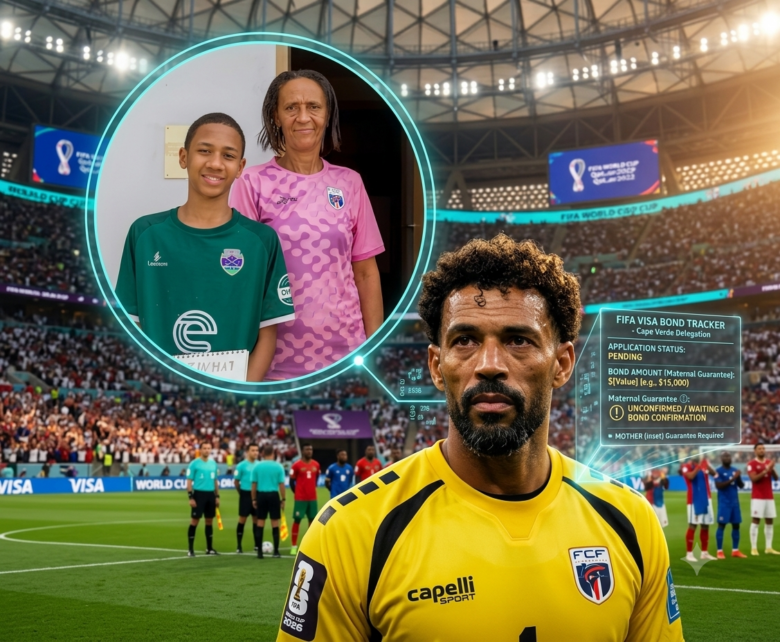
Vozinha, the 40-year-old Cape Verde goalkeeper who made seven saves against Spain in one of the tournament’s earliest upsets, revealed after the match that his mother had not been in the stands. She couldn’t secure a visa. ESPN informed that Cape Verde is among 50 countries whose citizens face bonds of up to $15,000 to secure a US visa under the Trump administration’s expanded travel restrictions. She had not been able to gather the money in time. House Democratic Leader Hakeem Jeffries contacted Secretary of State Rubio directly. Fees were waived. She was in the stands for Cape Verde’s next match against Uruguay in Miami, which Cape Verde also won.

What FIFA said and couldn’t do
FIFA’s position throughout has been consistent and limited: it is not involved in host country immigration processes. ESPN’s Iran coverage documents the gap between FIFA’s global reach and American immigration enforcement; a structural disconnect nobody in the tournament’s planning stages appears to have fully anticipated.
The bottom line
The 2026 World Cup was designed to celebrate football’s global reach. The visa stories running alongside it are a reminder that global reach looks different depending on which passport you’re carrying. The matches continue. The bureaucracy does too.
Ask us! What questions do you have about content, strategy, pop culture, lifestyle, wellness, history or more? We may use your question in an upcoming article!
Related:
Like MediaFeed’s content? Be sure to follow us.
This article was syndicated by MediaFeed.co.