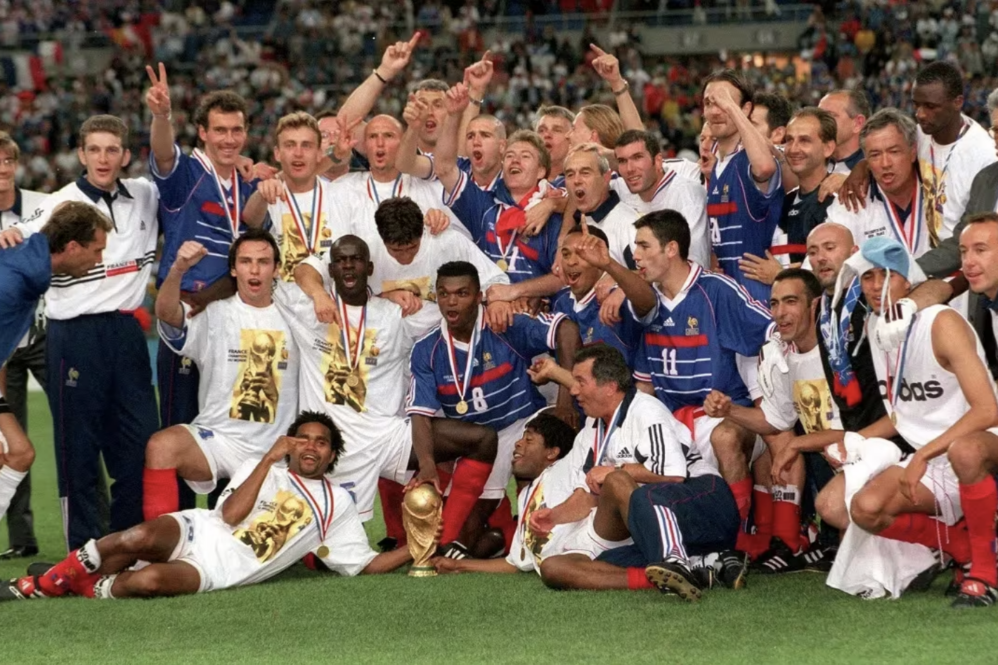
From Brazil 1970 to Spain 2010: The squads that became legends
While the world often talks about how much of a full-package Cristiano Ronaldo is as an attacker or Messi’s natural dribbling abilities on the ball, there are the World Cup teams that help these players become who they are.
From Croatia’s incredible dark horse World Cup run in 2018 to Germany’s shocking 2014 thrashing against soccer giants Brazil, here are the nine World Cup squads that became legends.
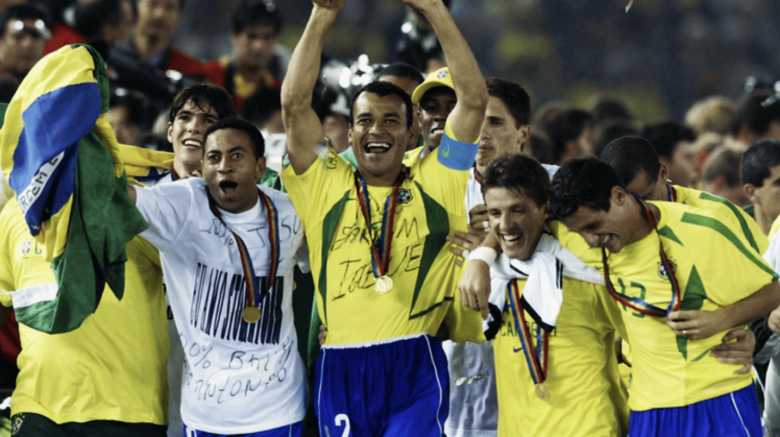
Brazil 2002
In 2002, Brazil won its fifth World Cup, the most for any nation. Going up against Brazil would be going up against one of the best attacks of that era, if not of all time.
The Brazil squad was led by “The Three R’s” — Ronaldo, Ronaldinho and Rivaldo. Ronaldo Nazário led the attack as the squad’s striker, where he scored eight goals in seven World Cup games. Winger Ronaldinho dribbled the ball between defenders with ease, like the ball was magnetic to his foot. And Rivaldo, an attacking midfielder, was deadly with his left foot, as he’s known for his volleys and curling shots.
If you went up against Brazil in 2002, you would be outmatched.
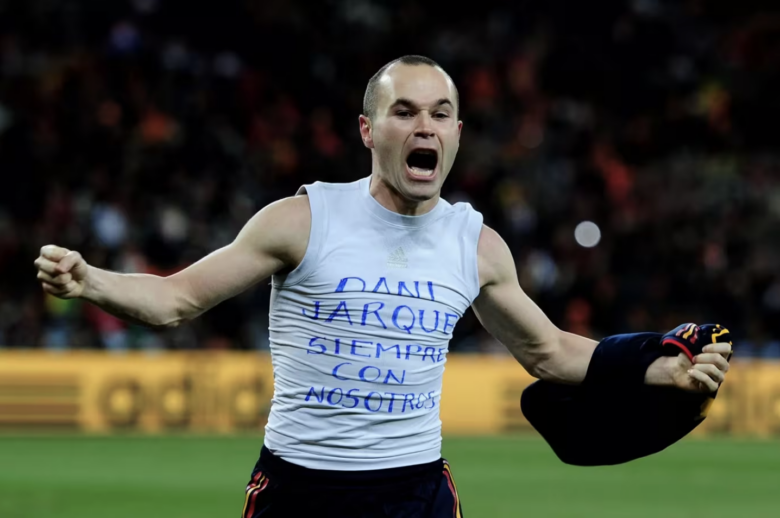
Spain 2010
Tiki-taka allowed the Spain 2010 World Cup squad to win its first-ever trophy. The soccer style requires players to make short, quick and accurate passes to each other — keep the ball moving before your opponents steal possession.
Tiki-taka is heavily reliant on the midfield, which the Spain 2010 World Cup squad is famously known for. Led by Xabi Alonso, Andrés Iniesta, Sergi Busquets, Cesc Fàbregas and Xavi Hernandez, these midfielders never allowed their opponents to touch the ball.
In the final game against the Netherlands, the midfield completed 542 passes in 715 attempts. The result was a 116th-minute goal by Iniesta following a clever pass from Fàbregas, winning its first-ever World Cup trophy against the Dutch giants.
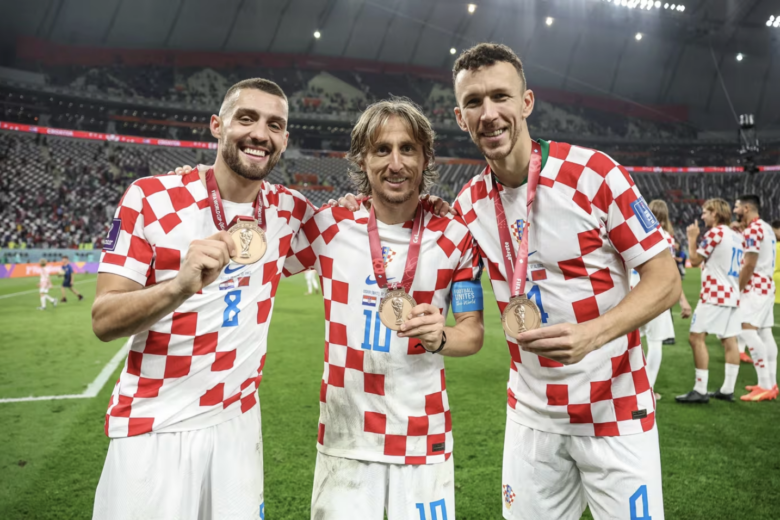
Croatia 2018
Heading into the 2018 World Cup, no one would’ve thought a small, 20,000 square mile European nation would be making it to the final against France. While Croatia had an underrated winger, Ivan Perišić, and a quiet but deadly midfielder, Ivan Rakitić, under their belt, it was Luka Modrić who led Croatia to the finals as part of one of the biggest underdog squads in World Cup history.
As the captain of the squad, Modrić ensured all parts of the team were covered. Modrić was constantly running up and down the field, trying to strike the ball or tackle an opponent despite his shorter stature. In one of his most memorable goals of all time, Modrić scored a spectacular long-range goal against Lionel Messi’s Argentina to extend Croatia’s lead in the group stage. Though Croatia ended up losing to France in the final, Modrić’s Croatia remains one of the biggest dark horses in World Cup history.
Argentina 2022
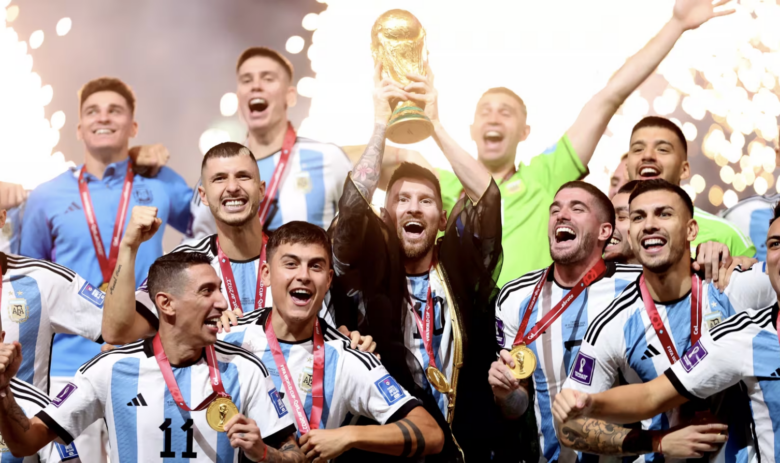
In 2022, at 35-years-old, Lionel Messi had everything but one. He’d won the Champions League with FC Barcelona three times, the Copa America twice and the Ballon d’Or eight times. The only thing Messi was missing was a World Cup trophy, and it took him 16 years to do so.
Throughout their 2022 World Cup campaign, Argentina faced ruthless opponents. After a shocking loss to Saudi Arabia, Argentina found themselves in a must-win situation against Mexico and Poland, where they accomplished.
The job wasn’t done, as Argentina later had to compete against Australia and top dogs Croatia and the Netherlands, which turned into a fierce, infamous game between the two sides. Finally, Argentina competed against France in the final, which ended in a 3-3 draw and went to penalties. With a steadfast mentality, Argentina won the 2022 World Cup, and Messi had finally clinched his final piece in his trophy collection.
France 1998
It all started with the defense.
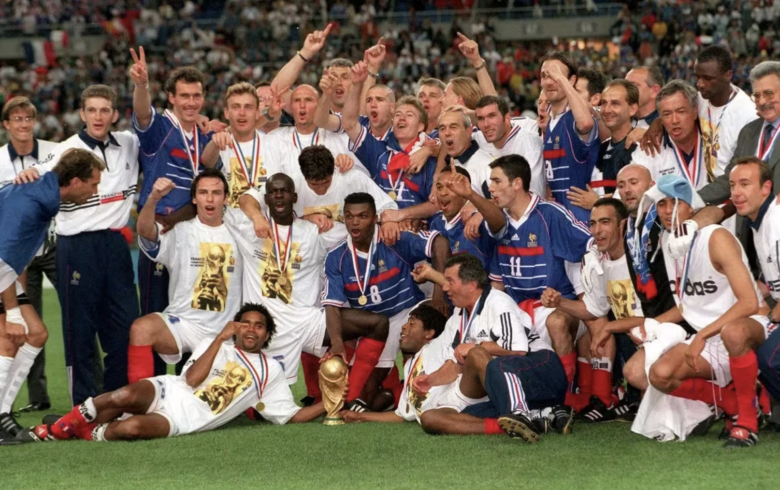
France’s 1998 World Cup squad was impenetrable right from their first group stage game against South Africa. Led by Lillian Thuram, Marcel Desailly, Bixente Lizarazu and Laurent Blanc, this French squad only conceded two goals throughout their World Cup campaign. The four defenders constantly pushed for a high line, not allowing attackers to move around when attempting to score.
They were also essential in mobilizing France’s goals, led by none other than Zinedine Zidane. The defenders were constantly pressing attackers, stealing possession to allow Zidane’s technical scoring abilities to give France the upper hand. Zidane constantly danced around defenders, elegantly dribbling between tight midfields and scoring unimaginable goals.
While the 1998 France squad is known for its tough defense, it also immortalized Zidane as one of the greatest attackers in soccer history.
Brazil 1970
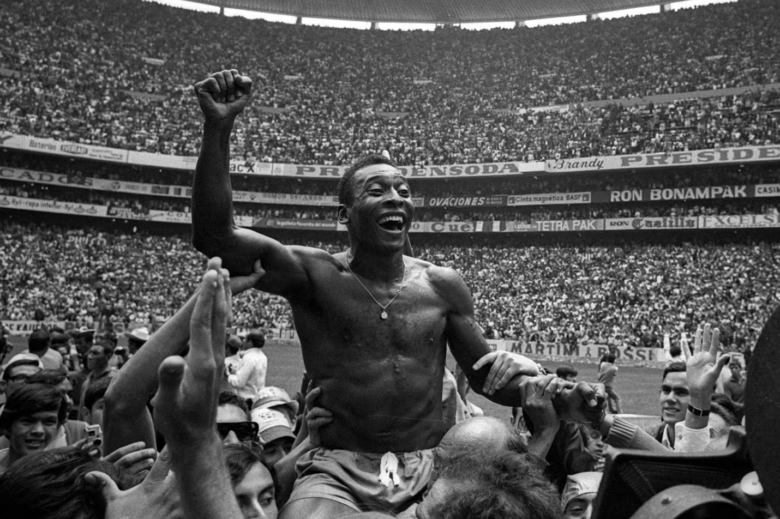
If you’re thinking about the greatest Brazilian soccer players throughout history, it’s probably Pelé.
At the age of 17, Pelé won the nation’s first-ever World Cup in 1958. It’s a feat no one else has accomplished since. Pelé continued to demonstrate his dominance on the world stage in 1962 and 1970, becoming the only person in history to win three World Cups.
However, Brazil’s 1970 World Cup squad didn’t only count on Pelé’s attacking prowess. Pelé, considered one of the greatest attacking squads of all time, was accompanied by Jairzinho, Gérson, Tostão and Rivellino. The five players were ruthless in their attack, creating large goal margins between themselves and their opponents.
Whether there will be another attack like Brazil’s 1970 squad is a question that remains, as no country has come as close to Pelé and his fellow attackers.
Netherlands 1974
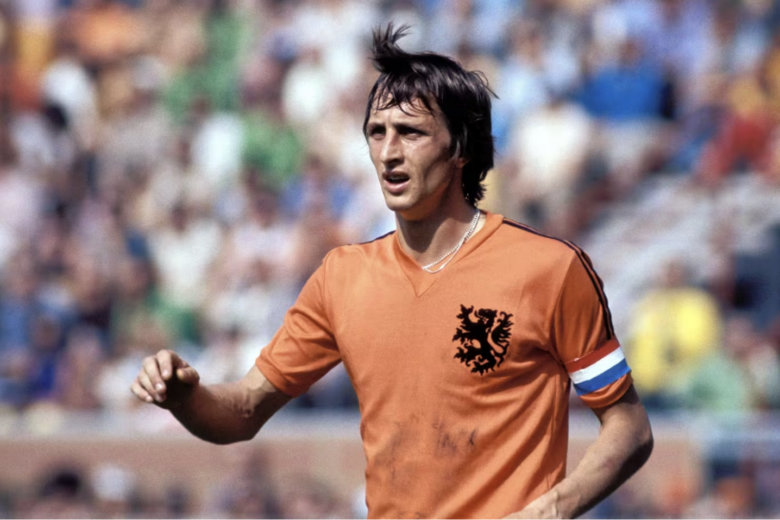
Total football is a tactic where every player is required to play all positions, allowing for a fluid structure rather than a strict formation. A defender can move up to attack while the midfielder moves back to defend. This tactic was pioneered by the 1974 Netherlands World Cup squad.
Led by manager Rinus Michels, the Netherlands was the first team to play total football. The squad overloaded the opponent’s attack, midfield, and defense, allowing for versatile, aggressive play. Though the 1974 Netherlands World Cup squad came in second, it introduced a new tactical style of play that teams around the world adopted for decades to come.
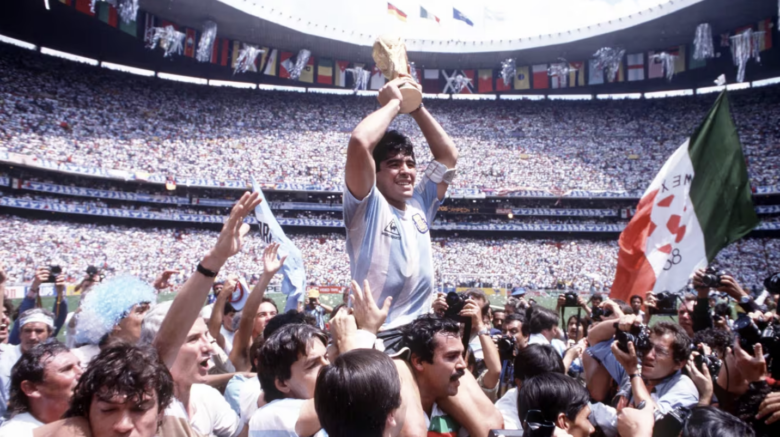
Argentina 1986
Before Messi, there was Diego Maradona. Known for his agility and dribbling skills, Maradona was unstoppable. Even with his short height, Maradona was aggressive against his defenders, charging towards tight spaces and quickly switching directions even with three defenders on him.
Maradona was an entertainer on the field, fooling one player after another. His attacking abilities paved the way for Argentina to win their second World Cup in 1986.
Germany 2014
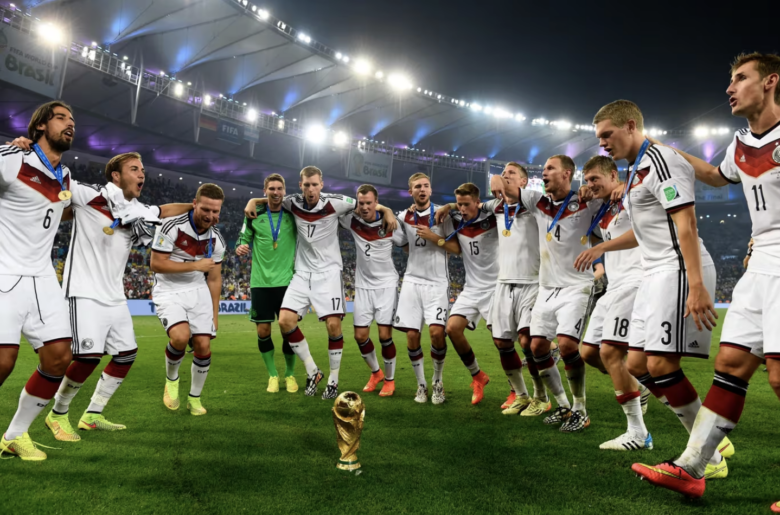
On June 12, 2014, Brazil, the world’s footballing nation, hosted the World Cup. Nearly four weeks later, Brazil was demolished by Germany in one of the most shocking losses in World Cup history. In that semifinal game, Germany beat Brazil 7-1, and even German soccer players described a “weird” feeling as they destroyed the soccer legends.
Germany’s 2014 domination is credited to its attackers and midfielders: Toni Kroos, Thomas Müller, Mesut Özil and Sami Khedira. The four players often pursued an attacking opportunity the moment they saw it through a tight press. With the team playing a higher line, the tight press allowed the four players to score easily, which was how Germany was able to exploit Brazil, who were missing their top player, Neymar Jr. Germany’s fierce attack saw the team win their fourth World Cup trophy after beating Argentina 1-0.
Wrap Up
Without France’s tight defense, Zinedine Zidane couldn’t have won the World Cup. Without Argentina’s tenacious mentality, Lionel Messi wouldn’t have won the trophy he needed the most. Some of the most iconic players wouldn’t be where they are without these legendary World Cup squads.
Related:
- Can the 2026 Spain World Cup squad do what the class of 2010 did?
- Where are the World Cup teams calling home during the games?
Ask us! What questions do you have about content, strategy, pop culture, lifestyle, wellness, history or more? We may use your question in an upcoming article!
Like MediaFeed’s content? Be sure to follow us.
This article was syndicated by MediaFeed.co.