Can the 2026 Spain World Cup squad do what the class of 2010 did?
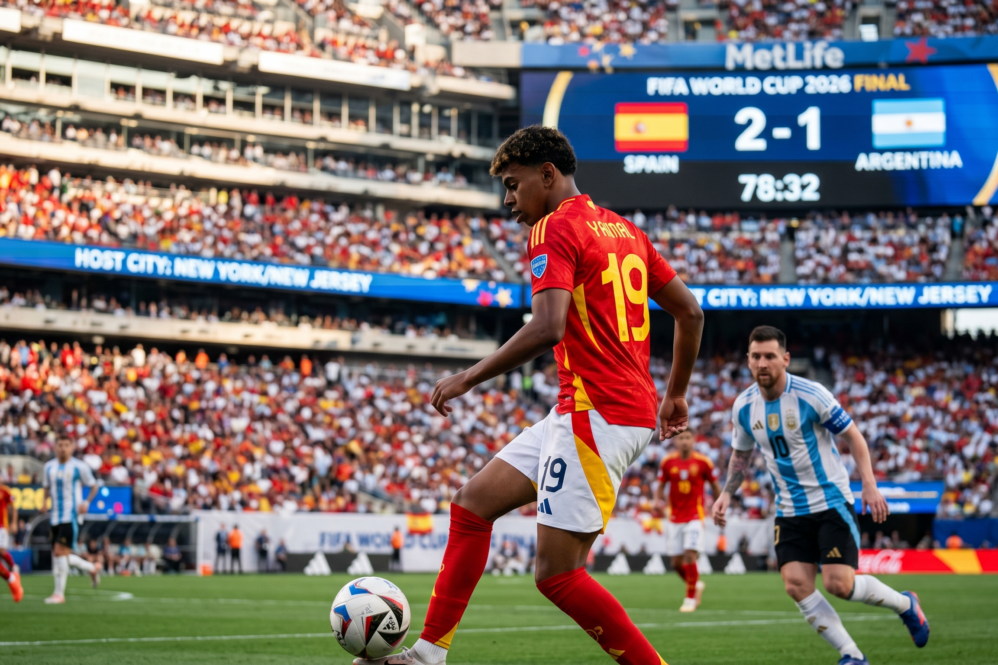
The comparison to 2010 starts before anyone asks for it. It started before the squad was announced, and by the time Yamal took his first touch in Atlanta, it was already a full conversation running in parallel to the actual tournament. The strange thing is not that people are making it. The strange thing is that they are not wrong; the structural overlap between these two generations is real enough that dismissing the comparison feels more dishonest than indulging it. But structural overlap and the thing that actually wins tournaments are not always the same thing, and the 2010 squad had something genuinely difficult to describe in terms of formation.
The sources here come from ESPN, Goal.com and VegasInsider.com, whose analysis of 9,000-plus World Cup players across all 23 tournaments adds an unexpected statistical layer.
What made 2010 unrepeatable
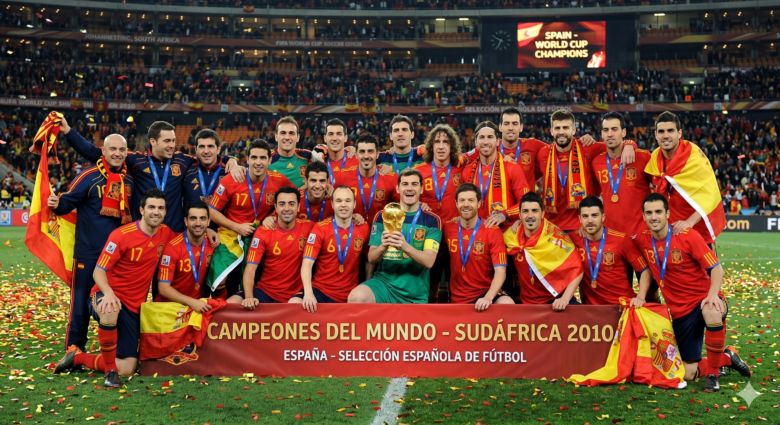
The Spain that won in South Africa was built on something football almost never produces: a club and a national team that was functionally the same team. Xavi’s 599 accurate passes at 91% efficiency didn’t happen because he was exceptionally gifted that month. It happened because he’d been playing that exact system with those exact players at Barcelona every weekend for years. Goal.com documents how tiki-taka arrived fully formed from Guardiola’s Barcelona rather than being invented for the tournament. That overlap between club peak and national team peak closed in 2012 and has not reopened since.
What the 2026 squad actually is
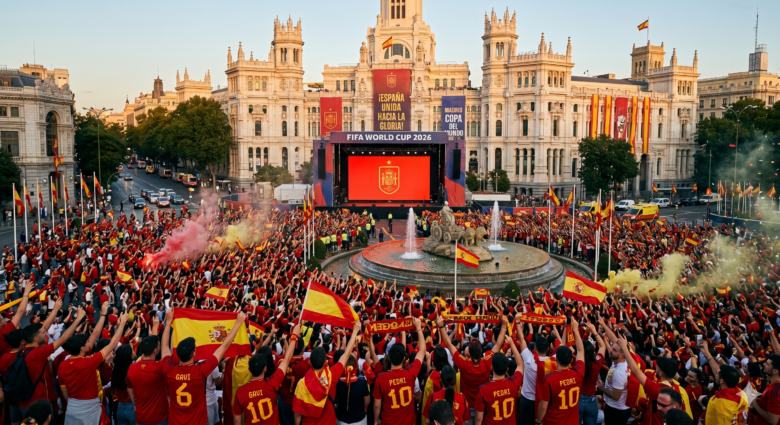
Goal.com’s guide describes the 2026 side as more direct and aggressive, built around one-on-one situations, rather than controlling through passing volume. Pedri and Gavi add verticality where Xavi and Iniesta brought control. Rodri provides the pivot Busquets once did. Yamal and Williams bring unpredictability to the 2010 squad, which never actually needed it because collective control made individual genius almost irrelevant.
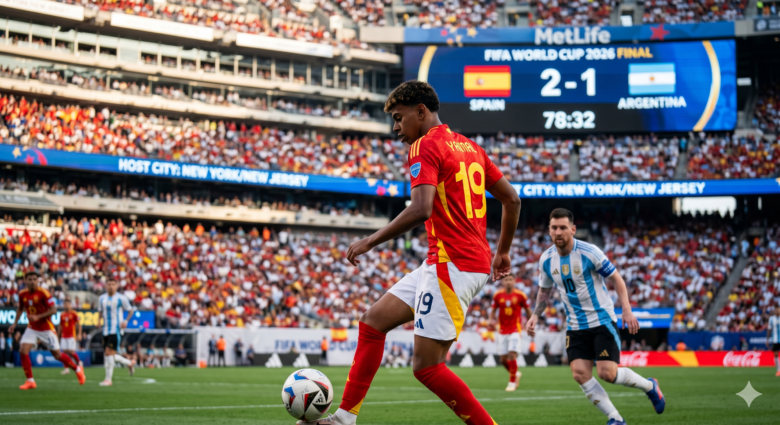
The Yamal question
ESPN reported Yamal scored against Saudi Arabia at 18 years and 343 days old, and De la Fuente had already called him a genius before kickoff, comparing him to Dalí and Michelangelo, which is a lot to put on an eighteen-year-old. Here is the thing about 2010 that gets forgotten: nobody went into that final certain that Iniesta was the man. The goal arrived in the 116th minute of extra time, almost as an afterthought to a tournament that had already exhausted everyone watching. Spain has decided who its decisive player is before the group stage is finished. That is either an enormous advantage or a weight that doesn’t show up on any tactical diagram.
What the numbers say
VegasInsider.com analyzed 9,000-plus players across all 23 World Cup tournaments and found January produced more World Cup players than any other month, 920 in total, driven by the relative age effect in youth academies. Aquarius leads the zodiac with 874 players, a direct consequence of January and February dominating birth month distribution. The optimal combination: named Carlos, born in January, an Aquarius. What the data captures is the same thing 2010 illustrates — elite football is shaped by forces operating well beneath individual talent.
The bottom line
The 2010 squad knew something about itself that this one is still figuring out. That is not a criticism. Most great teams spend the early rounds discovering what they actually are under pressure. Spain 2026 has the talent. What they don’t have yet is the evidence that it holds when the opponent is good enough to take the ball away and demand a different answer. That part is still coming.
Ask us! What questions do you have about content, strategy, pop culture, lifestyle, wellness, history or more? We may use your question in an upcoming article!
Related:
- Our AI overlords predict who will win Monday, June 22’s matches.
- The most iconic World Cup stadiums in history
Like MediaFeed’s content? Be sure to follow us.
This article was syndicated by MediaFeed.co.