13 strange Halloween superstitions people once took very seriously
In 1785, Robert Burns described how his neighbors spent October 31. Blindfolded young people groped around a kale patch. Couples tossed nuts in the fire. Burns included footnotes in the poem “Hallowe’en” because he knew readers elsewhere wouldn’t follow.
Some of these were games played with a straight face. Some were protection against the dead. Historians say many love divinations were closer to matchmaking parties than to serious belief.
Thirteen follow, mostly from Scotland, Ireland, England, and the American South. Most had faded by the early 1900s.

Pulling kale in the dark
Young Scots slipped out at midnight, blindfolded themselves, and pulled up the first kale stalk they touched. Its length, its shape, and the dirt on its roots said what your spouse would be like. The first clear record is a 1769 travelogue, and Burns put it in his poem. Another version says the first person to walk under it would be your spouse.

Two nuts in the fire
You put two nuts on the fire, one for you, one for your sweetheart. If they burned quietly, you’d be happy. If they hissed and popped, you wouldn’t. In parts of Scotland and northern England, people called October 31 “Nut-crack Night.”
The apple peel
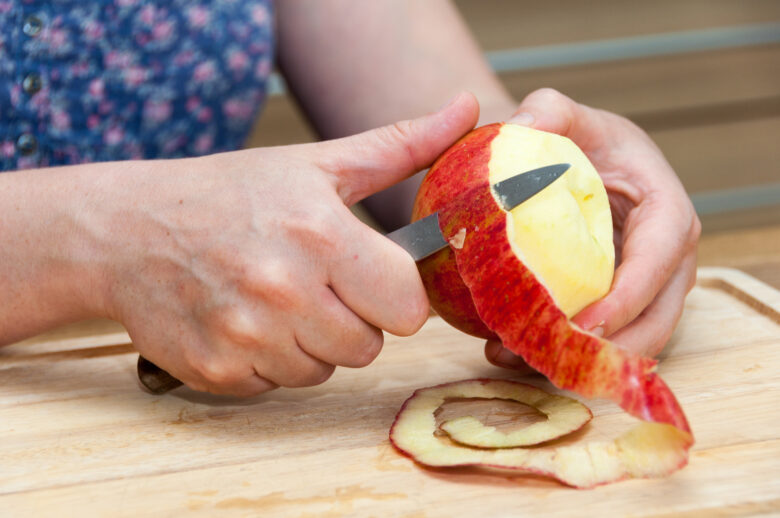
Peel an apple in one strip. Toss it over your shoulder. If it landed like a letter, that was your future spouse’s first initial, at least in Ireland and Scotland.
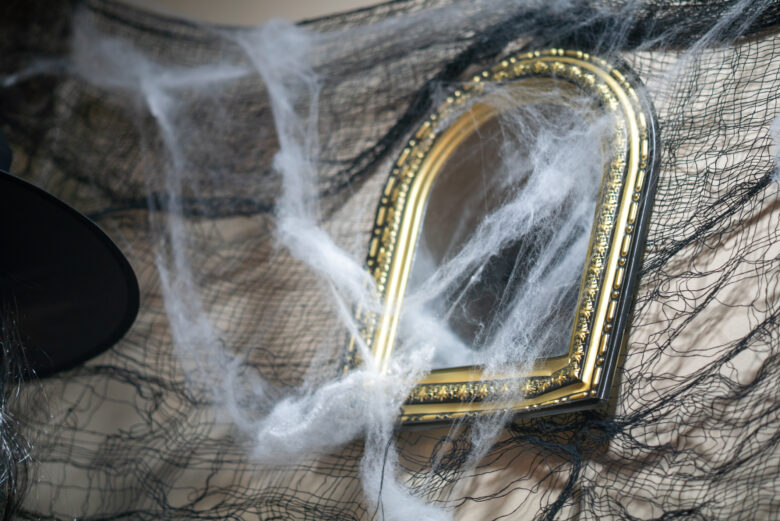
A face in the mirror
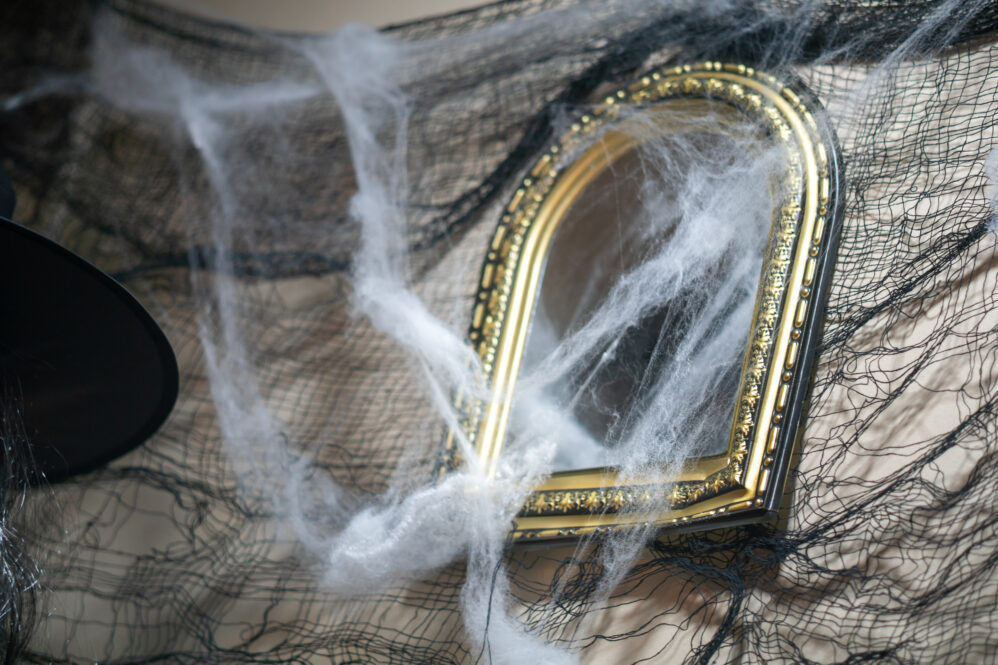
Go alone at midnight with a candle, eat an apple facing a mirror, and your future husband’s face would appear over your shoulder. The Brooklyn Daily Eagle was still printing spells like it on October 31, 1865.

Three dishes
In Burns’s footnotes, you were blindfolded and asked to choose one of three dishes. One held clean water, one dirty water, and one nothing. Each choice told your future.
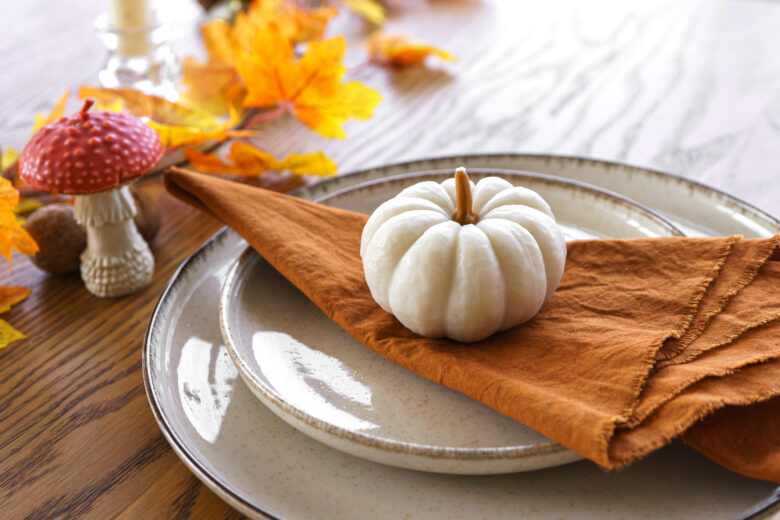
The silent supper
A dumb supper meant cooking and eating in total silence, usually backward, with a chair set for a husband who hadn’t arrived. In Kentucky, two girls once did it in an abandoned house, by one account. A Miss Pearl Brown held one in 1921. By the 1950s, they’d mostly vanished.

Walking backward
A simpler version: walk backward toward a mirror, and the face of your future husband would look back, said another tradition.

An egg that sweated blood
If you set an egg in front of the fire on Halloween and it “sweated blood,” you’d attract the man you loved. So said folklore collected by Halloween historian Lesley Bannatyne, along with the mountain Virginia belief that you could hear the future whispered in the wind.
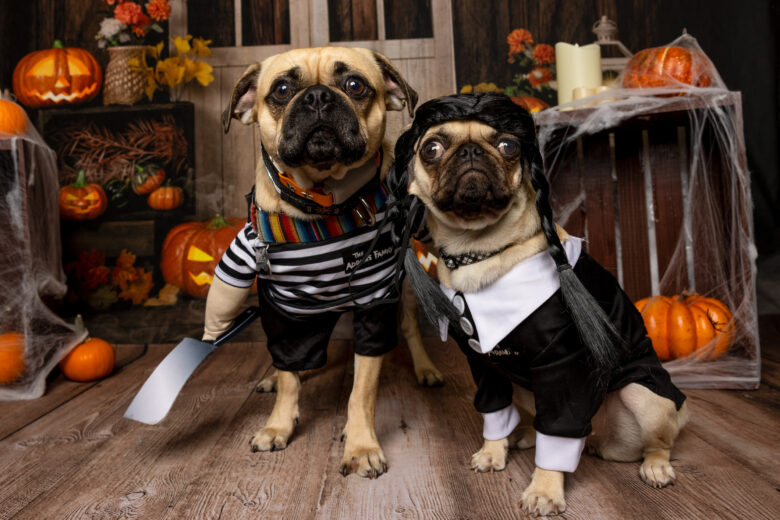
Hiding in costume
The folk explanation: spirits walked on Halloween, so people wore masks and disguises to avoid being recognized. Country folk made masks of sailcloth or linen, and Britannica says the custom gave us Halloween costumes.
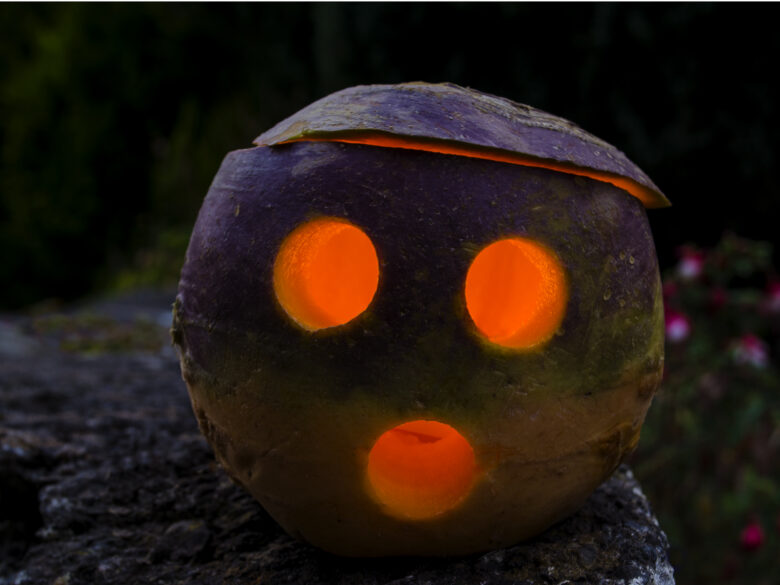
A turnip with a face
In Ireland and Scotland, people carved scary faces into turnips and set them in windows to frighten off wandering spirits, and the “Jack” in jack-o’-lantern is Stingy Jack, who tricked the Devil. Irish immigrants carried the custom to America, where pumpkins were easier to carve.
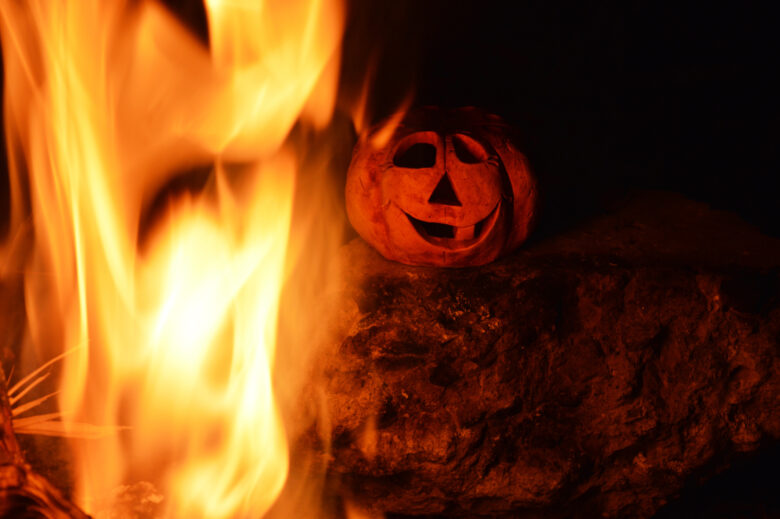
Hilltop bonfires
People lit bonfires on hilltops to frighten away evil spirits.
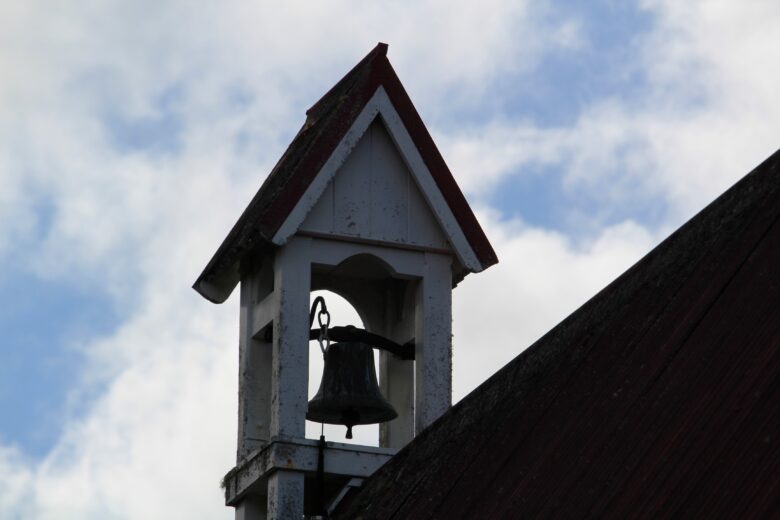
Bells all night
In parts of medieval England, churches rang their bells through the night on All Hallows’ Eve to remember the dead. Throughout the Middle Ages, bells rang at this time of year.
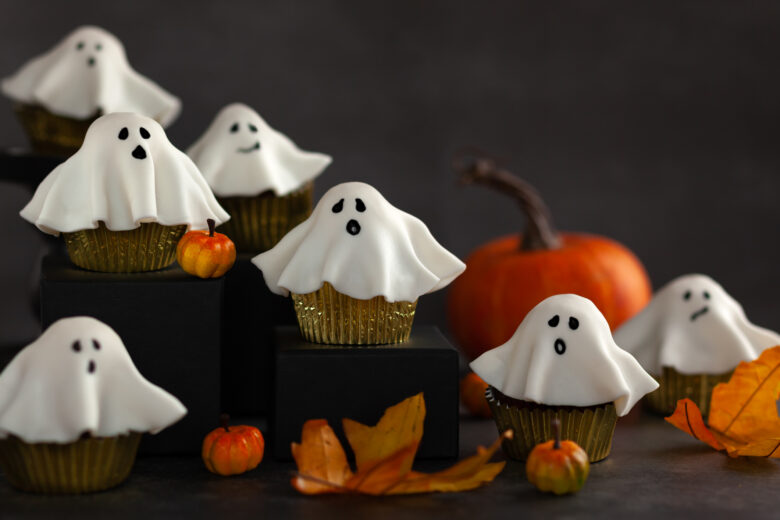
Soul cakes
Beggars went door to door on All Souls’ Eve, singing for small cakes and ale in return for prayers for the household’s dead. A 1902 book of English Christian customs called it “souling,” and the poor stood in for the dead.
The bottom line
Burns put kale-pulling in a poem in 1785, and the Brooklyn Daily Eagle was still printing Halloween spells in 1865. Dumb suppers lasted into the 1920s, when Miss Pearl Brown held one in 1921.
Ask us! What questions do you have about content, strategy, pop culture, lifestyle, wellness, history or more? We may use your question in an upcoming article!
Related:
- Your cozy (or spooky!) Halloween movie, according to your horoscope
- Halloween hauntings at famous movie sets
Like MediaFeed’s content? Be sure to follow us.
This article was syndicated by MediaFeed.co.