Disturbing historical experiments conducted in the name of science
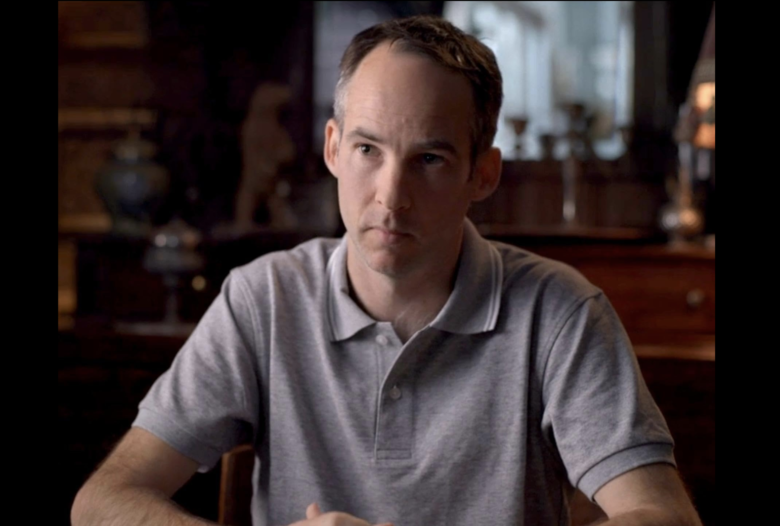
Christina Maslach walked into a basement at Stanford on the fifth night of a prison experiment. She looked around. She told the man in charge she was appalled. Her boyfriend, Philip Zimbardo, shut it down the next morning, August 20, 1971.
That’s how it often went. A social worker. A reporter. A doctor. A girlfriend. Somebody outside the lab said something, and the experiment came to light or stopped.
Six cases follow, from 1920 to 1971. Each had approval from someone, and each was defended at the time. We stick to what the records show and leave out graphic detail.
Who was Albert B.?
Nobody knows for sure. That’s the strange part.
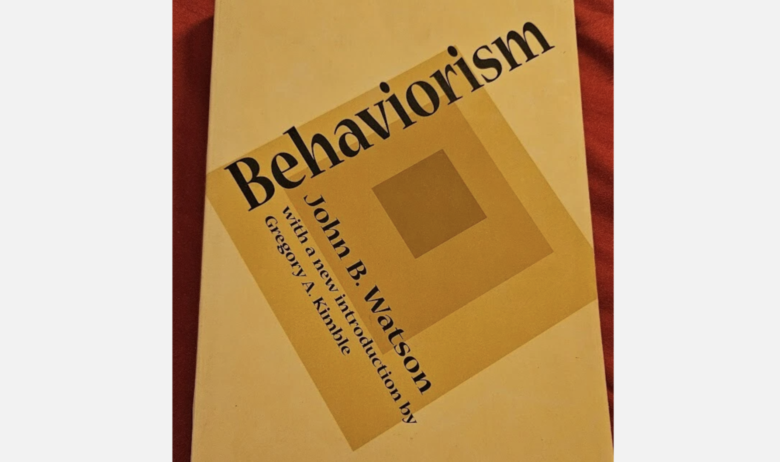
John B. Watson and his graduate student Rosalie Rayner wanted to prove fear could be taught. So at Johns Hopkins, they showed a nine-month-old a white rat. Then Watson hit a steel bar behind the baby’s head. Again. And again. Soon the baby cried at the rat, and at other furry things.
His mother, a wet nurse named Arvilla Merritte, got $1, according to one researcher.
One team says the baby was Douglas Merritte, who died at six. Another says William Albert Barger, who lived into his 80s. Watson lost his job over an affair with Rayner. The paper never mentioned the baby’s name.
“Bad blood”
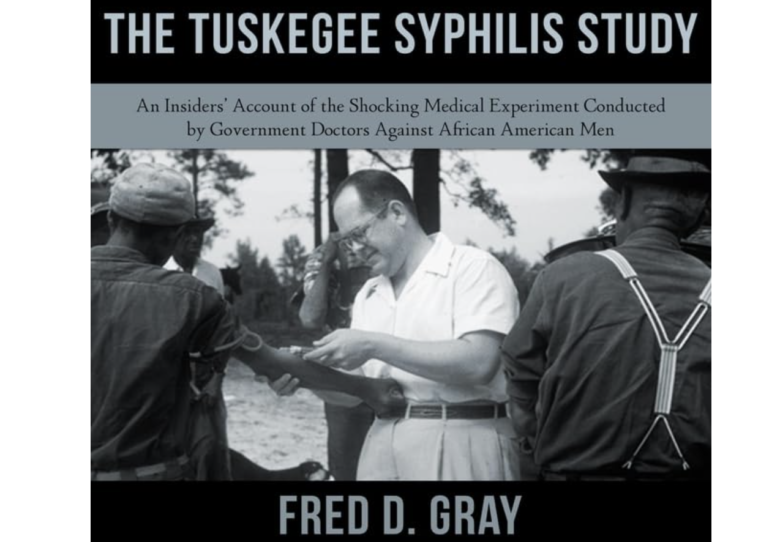
The men were told they had bad blood. They got rubs, tonics, and aspirin. What they had was syphilis, and the doctors knew it, and nobody treated them. Not for 40 years.
The U.S. Public Health Service started the study in 1932 in Macon County, Alabama. Six hundred Black men: 399 with syphilis, 201 without. No consent.
Peter Buxtun, a former Public Health Service employee, kept raising objections. Nothing happened. So he went to Jean Heller at the Associated Press. Her story ran on July 25, 1972, and the study ended that year. By then only 74 of the untreated men were still alive.

22 children in Davenport
Wendell Johnson stuttered himself. He wanted to know why.
His theory: stuttering was learned. To test it, his graduate student Mary Tudor went to the Iowa Soldiers’ Orphans’ Home in 1939. She worked with 22 children, and half got criticism for how they spoke. The kids weren’t told what it was for.
Mary Korlaske was 12. She later said she thought Tudor was giving her speech therapy.
The study was never published. It stayed in a basement until 2001, when San Jose Mercury News reporter Jim Dyer found it. Iowa apologized that year. In 2007, the state paid the orphans $925,000.
Dosed at Deep Creek Lake
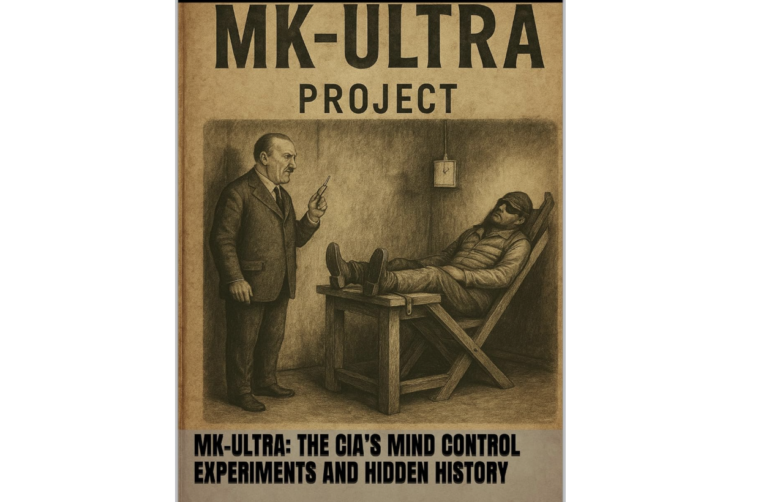
Frank Olson thought he was at a work retreat. It was November 1953, and he was an Army scientist at Fort Detrick. Someone slipped LSD into his drink.
Olson was dead nine days later.
The CIA’s Project MKUltra had begun that April, approved by director Allen Dulles and run by chemist Sidney Gottlieb. It tested drugs on people who didn’t know, across roughly 150 subprojects. Then, in 1973, director Richard Helms ordered the files burned.
Most are gone. About 20,000 pages survived, misfiled in a financial annex.
The only way in
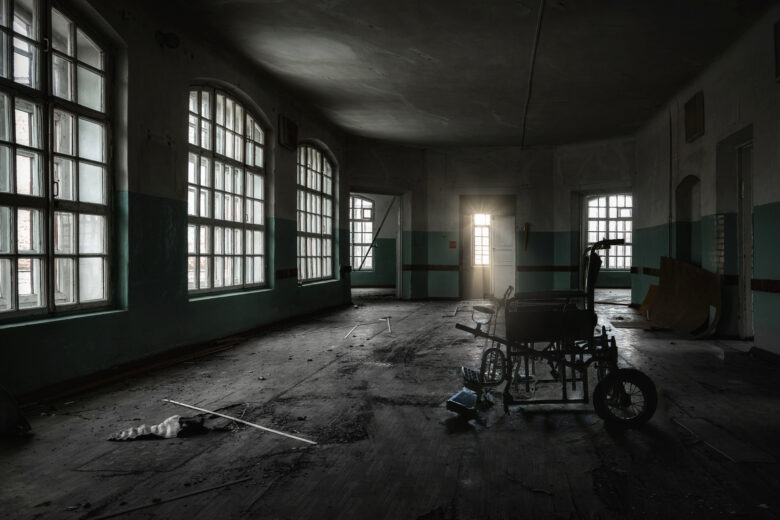
Hepatitis spread through Willowbrook State School on Staten Island. It was crowded and filthy. NYU’s Saul Krugman saw an opening. Starting in 1956, his team deliberately infected children there to study the disease. Until 1971.
Parents signed consent forms. But the school had a waiting list, and sometimes the only open beds were on the hepatitis unit.
Dr. Michael Wilkins was fired for organizing parents to demand better conditions. He tipped off Geraldo Rivera, who got a camera inside in 1972. In 1975, a consent decree required the state to create community placements.
Day 5, in the basement
The ad ran in the Palo Alto Times and The Stanford Daily. Seventy-five men applied. Twenty-four were picked.
On August 15, 1971, police showed up at their homes and arrested the ones assigned to be prisoners. The mock prison was in the basement of the psychology building. It was supposed to run for two weeks. By the fifth night, parents called Zimbardo asking for lawyers, and Maslach walked in. Six days total.
Zimbardo has said the guards’ cruelty was spontaneous. Critics aren’t convinced. Thibault Le Texier’s archival research argues the guards were coached. Zimbardo disagrees.
The bottom line
Four of the six came to light, or ended, because someone outside spoke up: Buxtun, Dyer, Wilkins, Maslach. The CIA destroyed MKUltra’s files in 1973, so nobody can say how many people it touched.
Ask us! What questions do you have about content, strategy, pop culture, lifestyle, wellness, history or more? We may use your question in an upcoming article!
Related:
- Historical “discoveries” that turned out to be elaborate hoaxes
- 21 famous castles and estates from film and history
Like MediaFeed’s content? Be sure to follow us.
This article was syndicated by MediaFeed.co.