The most controversial song the year you were born: Millennial edition
Millennials were born between 1981 and 1996, and the music surrounding their arrival moved from Reagan-era moral panic about rock and roll to the Senate hearings that produced the Parental Advisory label, to the culture wars over hip-hop and grunge that redefined what popular music was allowed to say. The mechanisms of censorship were still largely institutional in these years. The response from artists was frequently to push harder.
Sixteen years of things someone tried to suppress.

Born in 1981: “Suicide solution” by Ozzy Osbourne
Parents sued Ozzy after their son’s suicide. Ranker says the lawsuit was dismissed, but the debate over music’s legal responsibility for listener behavior would consume the decade.
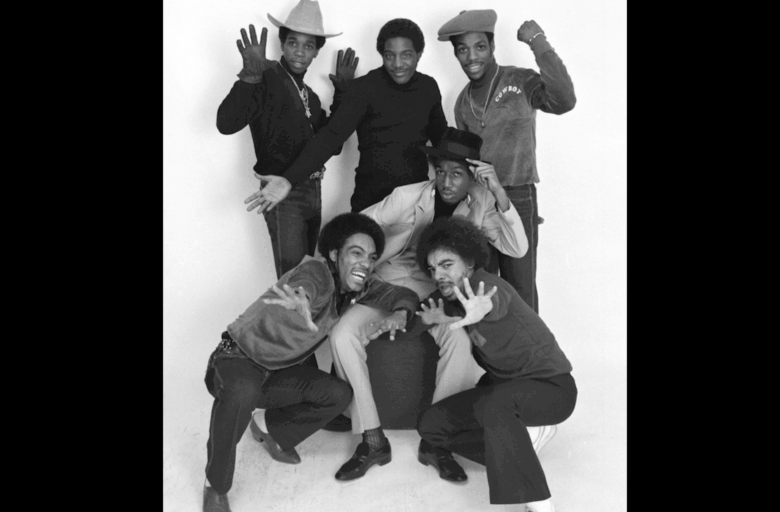
Born in 1982: “The message” by Grandmaster Flash and the Furious Five
Stacker affirms its unflinching depiction of inner-city life made broadcasters deeply uncomfortable. It is now considered one of the most important recordings in hip-hop history.
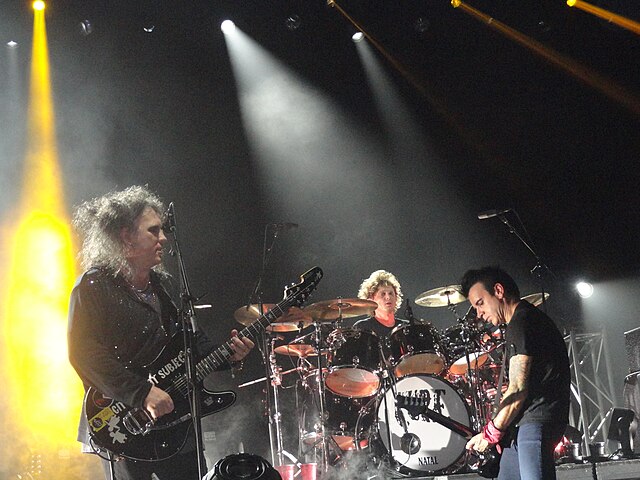
Born in 1983: “Killing an Arab” by The Cure
Ranker states it was cut from concerts for years. The Cure maintained it was inspired by Camus. They performed it as “Killing Another” as recently as 2022.

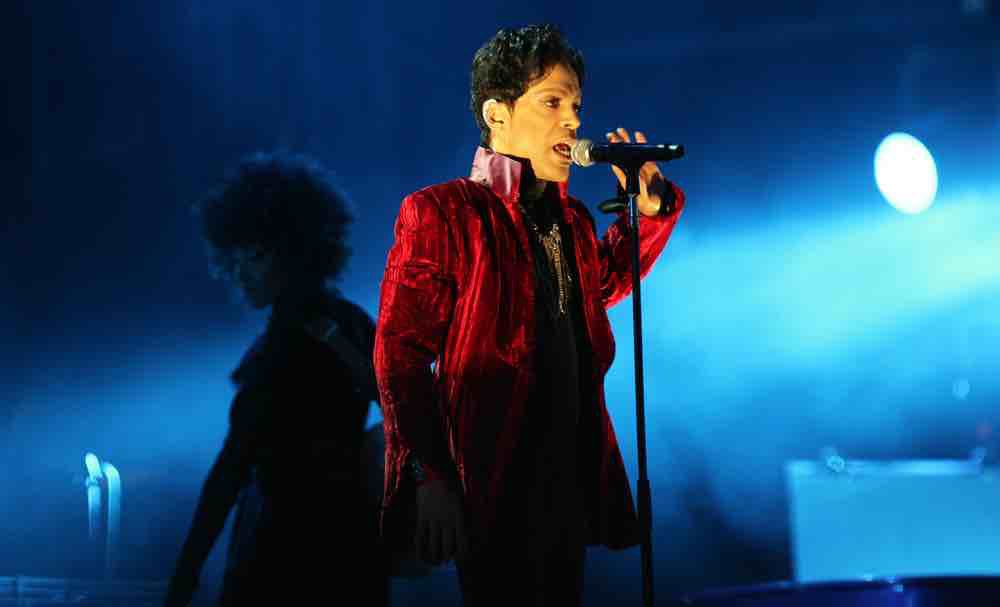
Born in 1984: “Darling Nikki” by Prince
Tipper Gore heard her daughter playing “Darling Nikki” and founded the Parents Music Resource Center. Ranker confirms the PMRC’s Senate hearings led directly to the Parental Advisory label. Prince’s song is why every explicit album has a sticker.
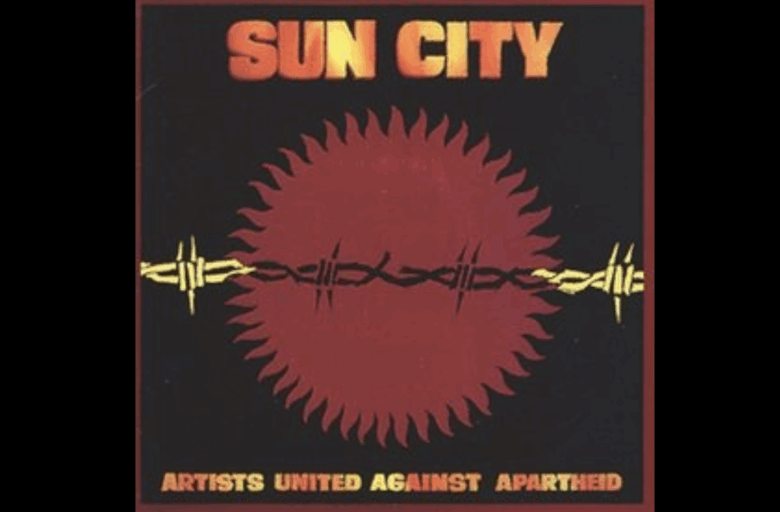
Born in 1985: “Sun city” by Artists United Against Apartheid
Stacker documents 49 artists who refused to perform at Sun City in apartheid South Africa. The song was banned there and drew backlash in the US from those who opposed mixing music and politics.
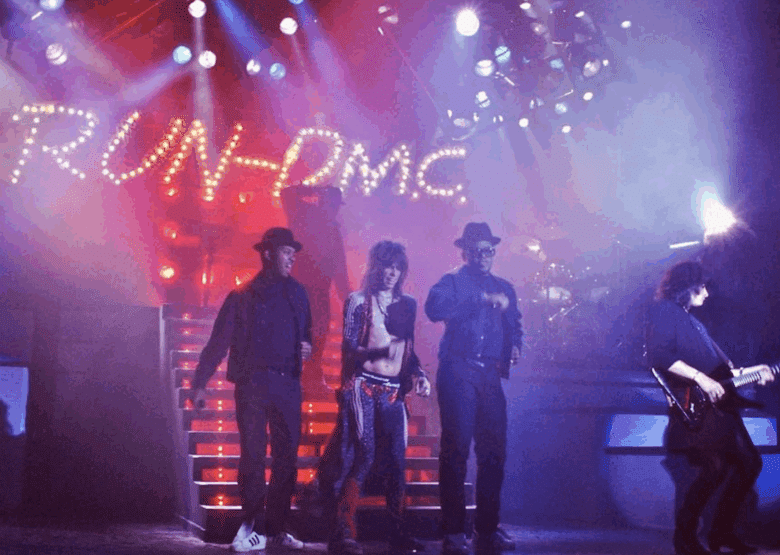
Born in 1986: “Walk this way” by Run-DMC featuring Aerosmith
Ranker confirms rock stations refused to program it alongside hip-hop. The video showed the two genres literally breaking down a wall. Some stations treated the metaphor as a challenge.
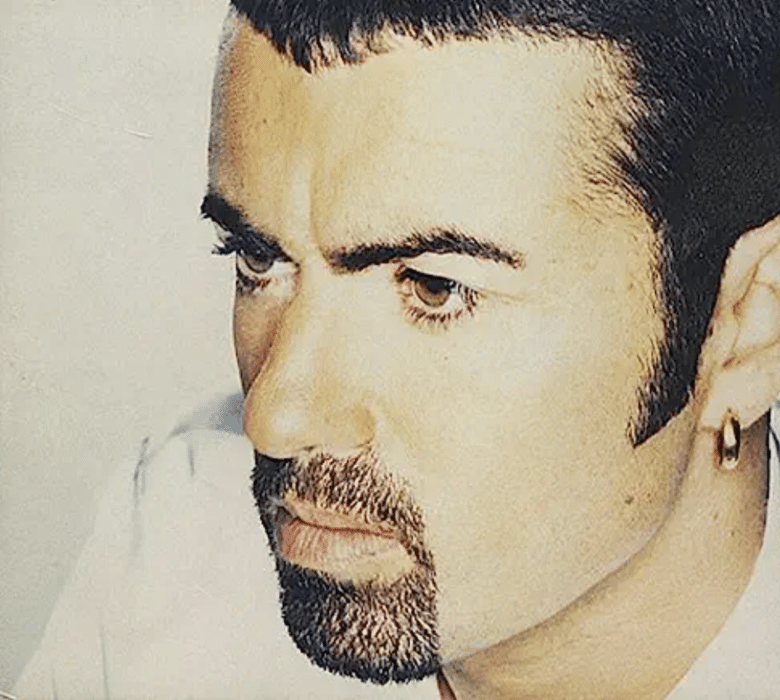
Born in 1987: “I want your s**” by George Michael
The BBC banned it. Ranker says Michael responded by writing “Explore Monogamy” on his cheek in the video.
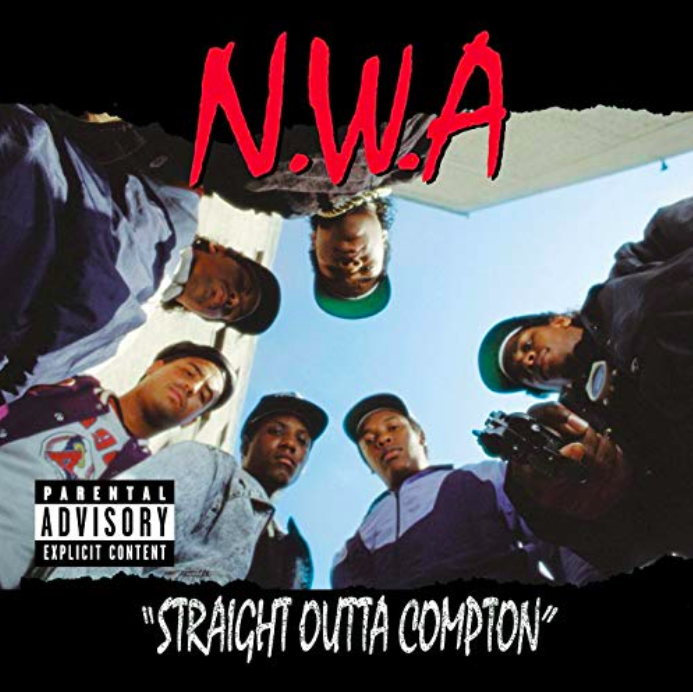
Born in 1988: “Straight outta compton” by N.W.A
The FBI sent a letter to their label. The NCAC confirms the group was arrested after performing in Detroit. The FBI letter is now in the Rock and Roll Hall of Fame.
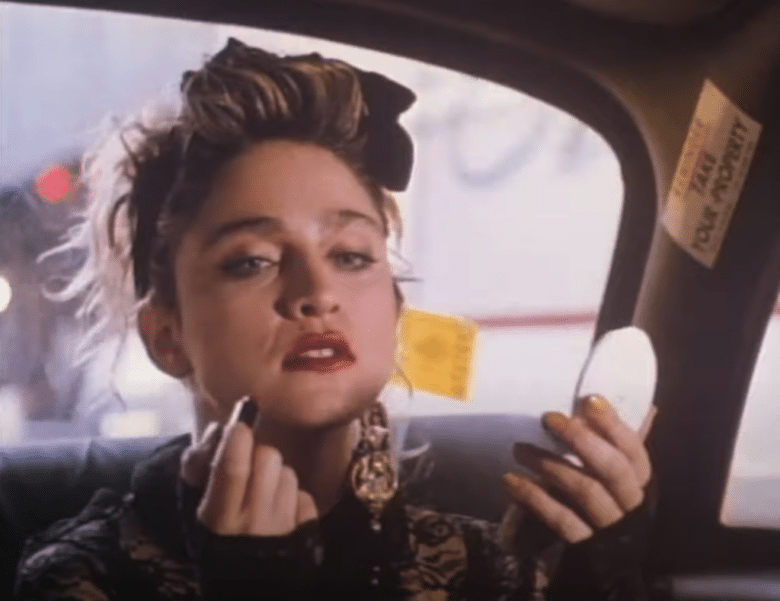
Born in 1989: “Like a prayer” by Madonna
Pepsi dropped her and the Vatican condemned it. Ranker states it generated one of the decade’s most sustained institutional backlashes.
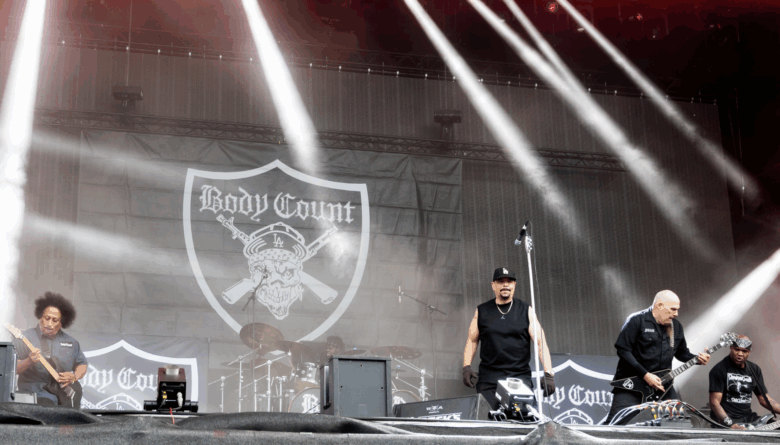
Born in 1990: “Cop killer” by Body Count featuring Ice-T
Ranker confirms police associations organized Time Warner boycotts. Ice-T withdrew it voluntarily, later calling that a mistake.

Born in 1991: “Justify my love” by Madonna
Ranker confirms Madonna sold the banned video as a standalone VHS, one of the first times a ban was monetized directly. It sold 250,000 copies.
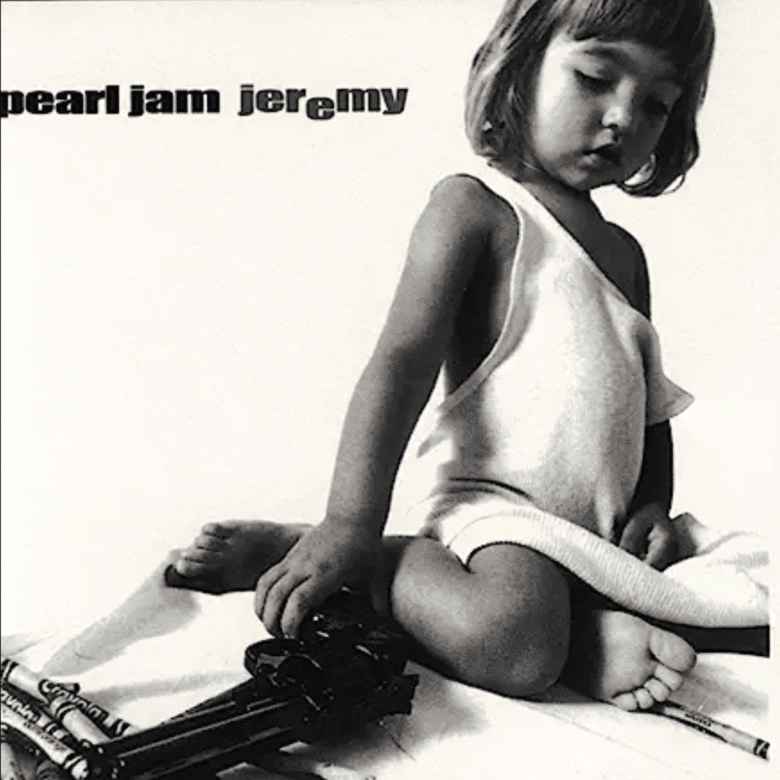
Born in 1992: “Cop killer” controversy continuation / “Jeremy” by Pearl Jam
Parade writes that Pearl Jam pulled the video after it was linked to school shootings. They never made another video for the rest of the decade.

Born in 1993: “Closer” by Nine Inch Nails
MTV required “censored” to be superimposed over the most explicit images. Ranker notes the edited version became one of the most requested videos, as viewers treated the redactions as a roadmap.
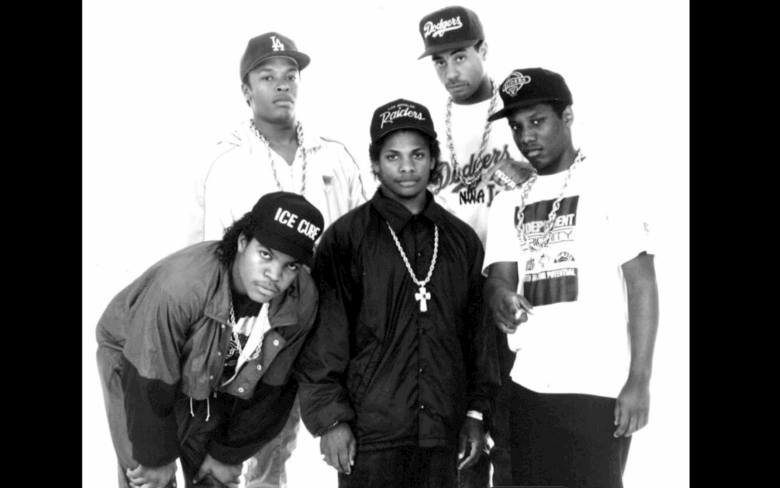
Born in 1994: “Natural born killaz” by Dr. Dre and Ice Cube
Released for the Natural Born Killers soundtrack and later featured on Ice Cube’s album, the track’s graphic content led several broadcasters to decline airplay entirely. Stacker notes it drew renewed Congressional attention to hip-hop’s role in promoting violence. The hearings produced no legislation.
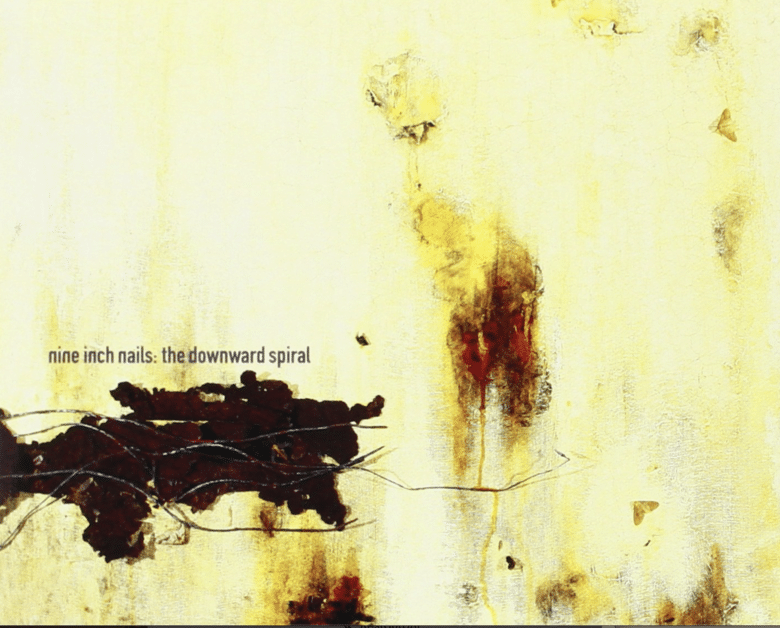
Born in 1995: “Only” by Nine Inch Nails
Nine Inch Nails continued to occupy the boundary between mainstream success and institutional resistance throughout the decade. Ranker confirms Reznor’s work stayed off the radio while making him one of the decade’s most acclaimed artists. Banned music becoming commercially dominant was a defining tension of the era.
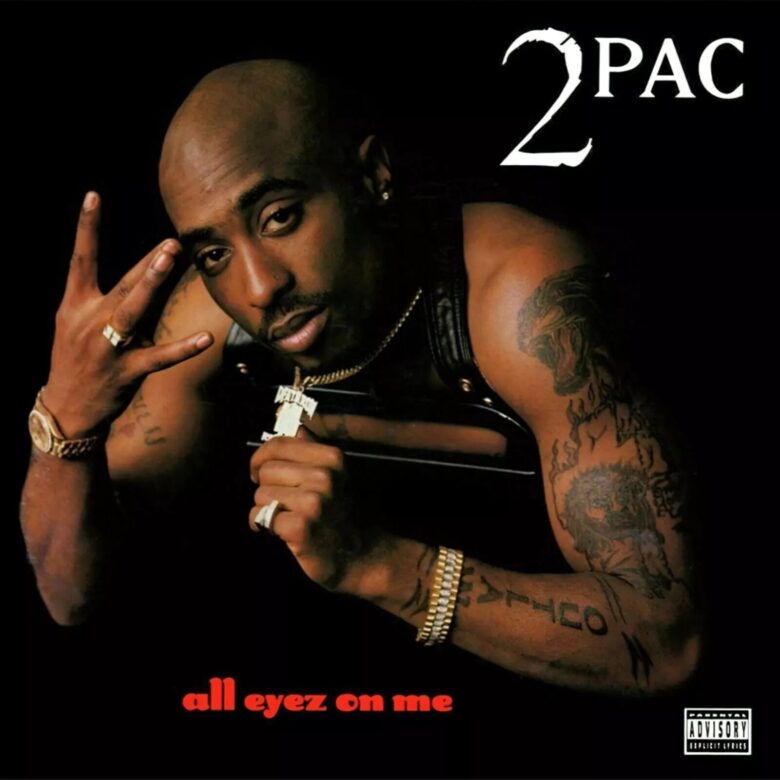
Born in 1996: “Hit ’em up” by 2Pac
Released during the East Coast-West Coast conflict, 2Pac named specific individuals. Stacker documents that many stations declined to play it. Both 2Pac and Biggie were dead within a year of their release.

Wrap up
Sixteen years, and an industry that spent the entire Millennial birth window trying to contain music that refused to be contained. Every Parental Advisory sticker sold records.
Ask us! What questions do you have about content, strategy, pop culture, lifestyle, wellness, history or more? We may use your question in an upcoming article!
Related:
- The most controversial song the year you were born: Gen X edition
- The most controversial songs of the ’60s: Do you agree?
Like MediaFeed’s content? Be sure to follow us.
This article was syndicated by MediaFeed.co.