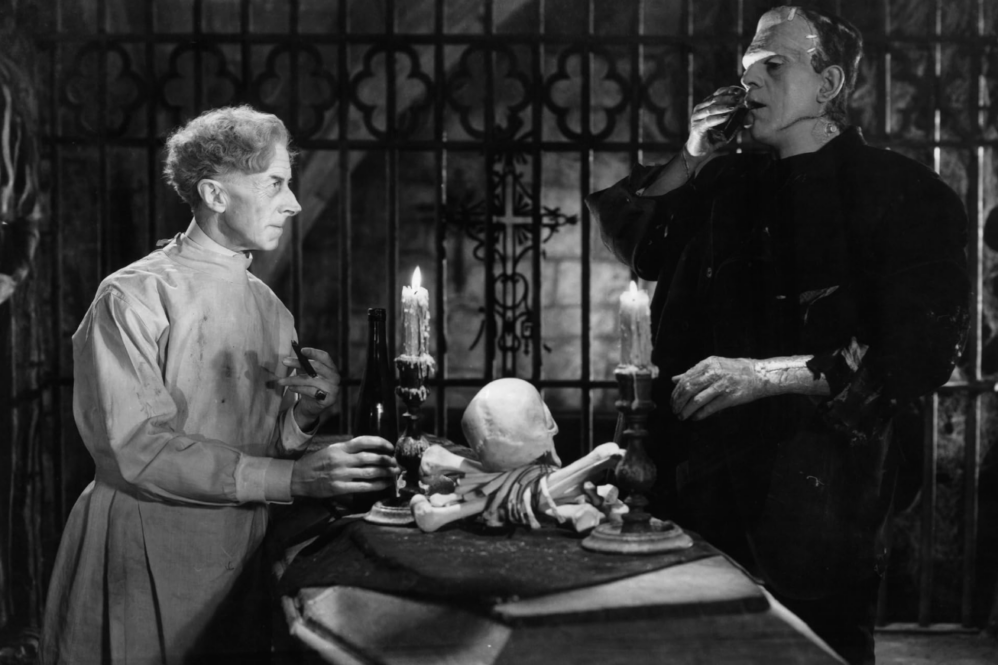
Bizarre & useless facts about classic Halloween monsters
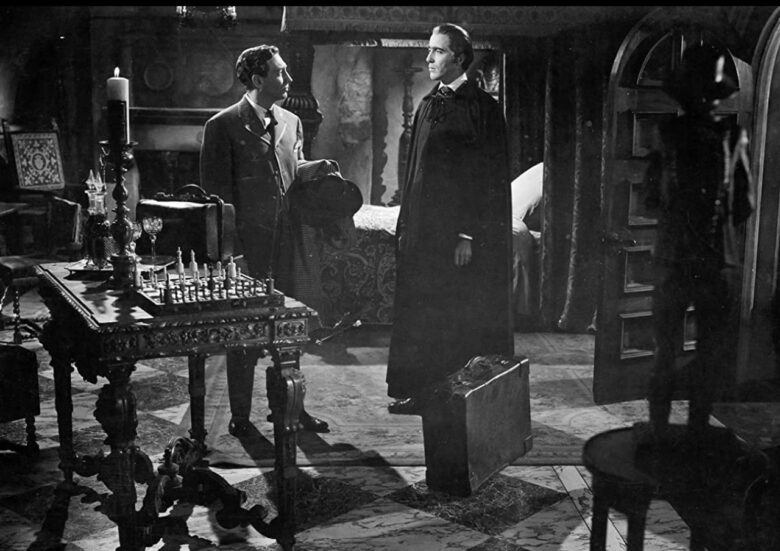
In the summer of 1890, Bram Stoker walked into the lending library in Whitby, England, and borrowed a book almost nobody read: William Wilkinson’s 1820 account of Wallachia. Inside was a footnote, and Stoker copied it into his notes: “DRACULA in Wallachian language means DEVIL.”
Then he went back through his working notes and crossed out “Count Wampyr” everywhere it appeared. He never visited Transylvania.
Other classic monsters have their own odd origin stories: an 18-year-old at a Swiss villa, an actor billed as a question mark, a poem that sounds like folklore but isn’t. Seven facts follow, each checked, none useful.
A footnote and a crossed-out name
Stoker’s 541-page manuscript carried the title “The Un-Dead” until just before publication on May 26, 1897, when the title changed to the vampire’s name. National Geographic notes that Stoker never visited the Wallachia of the real Vlad. He had read about vampires in the Carpathians and was writing a novel about Count Wampyr.
Eighteen, and stuck indoors because of a volcano
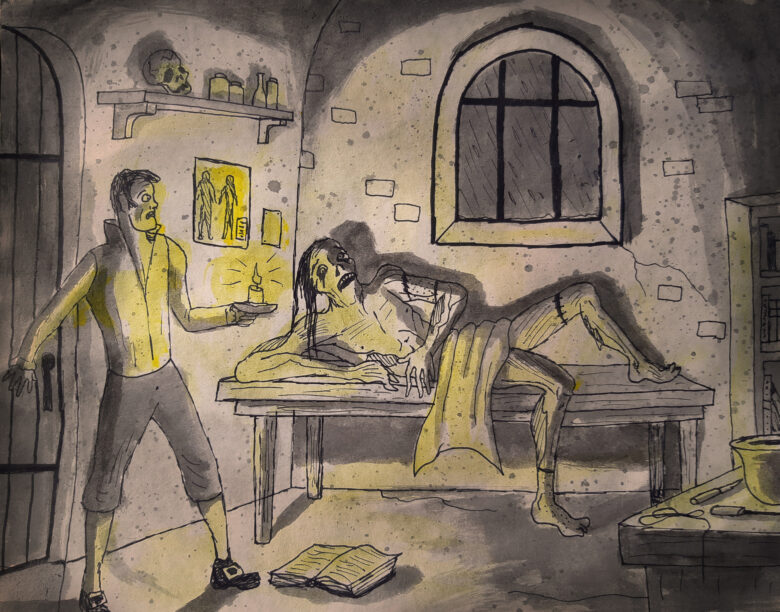
In 1816, the Year Without a Summer, Mary Shelley was 18 and stuck at Lord Byron’s Villa Diodati in Switzerland. The 1815 eruption of Mount Tambora wrecked the weather, and Byron proposed a ghost-story contest. Her entry became “Frankenstein.”
In the novel, the monster has no name. Frankenstein is the doctor.
A question mark in the credits
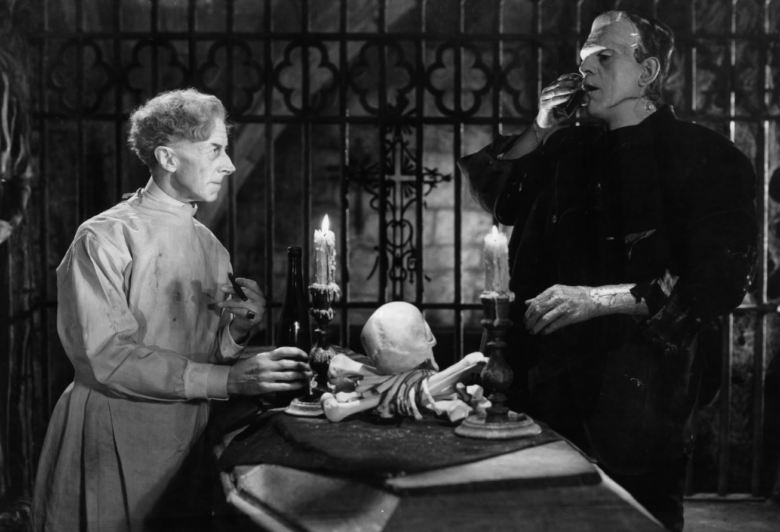
Universal’s 1931 film billed its monster as “?” in the opening credits, per Neatorama. Boris Karloff got his name only in the closing credits, after about four hours a day in Jack Pierce’s makeup chair. The outfit weighed 48 pounds, and each boot weighed 11 to 13 pounds, depending on the source.
Director James Whale used asphalt-spreader’s boots, and steel rods ran down Karloff’s pant legs to stiffen his walk. The famous green skin tone was chosen because it read best on 1931 black-and-white film.
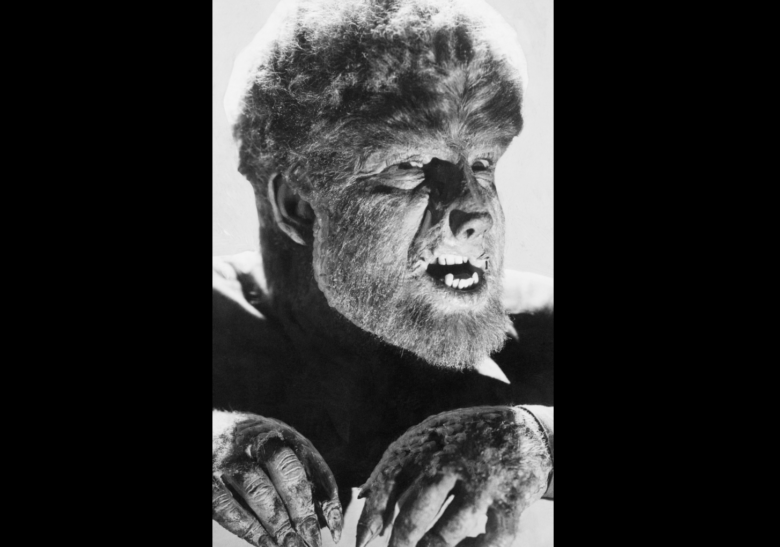
The poem that isn’t folklore
The rhyme about a man pure of heart, wolfbane, and the autumn moon sounds ancient. Screenwriter Curt Siodmak wrote it for the 1941 film. So did much of the werewolf lore in it, including the pentagram mark on a victim’s palm.
Jack Pierce’s Wolf Man makeup took different amounts of time depending on who’s counting: two and a half hours, by Pierce’s own account; four, by another; and six, by a third.
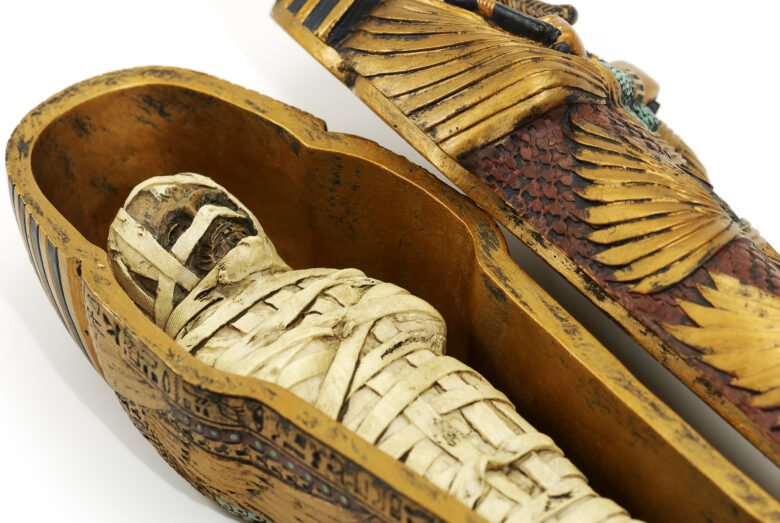
Lord Carnarvon and a mosquito
On April 5, 1923, Lord Carnarvon, the sponsor of the Tutankhamun excavation, died of an infection from a mosquito bite he’d nicked while shaving. The press blamed a curse, and writer Marie Corelli spread a made-up inscription supposedly carved on the tomb.
Only eight of the 58 people present when they opened the sarcophagus died within 12 years, and Howard Carter lived until 1939, per Euronews. Mussolini still reportedly ordered a mummy removed from Rome’s Palazzo Chigi.
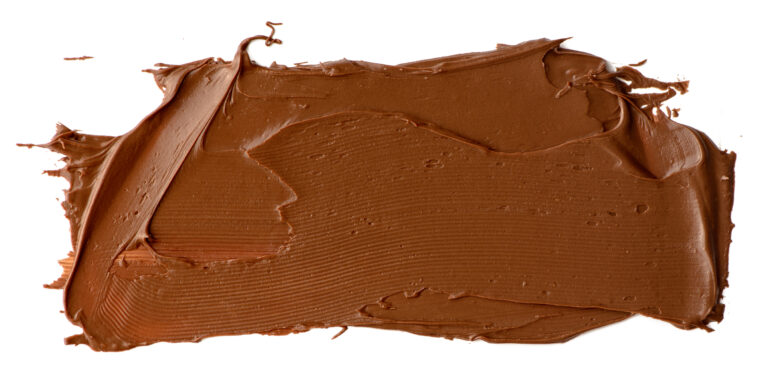
Mummy brown
Victorian painters used a paint called Mummy Brown, ground from real Egyptian mummies. When Edward Burne-Jones learned this from Lawrence Alma-Tadema, who said he’d watched someone grind one up, he reportedly came downstairs holding a tube. His wife Georgiana recalled that he said they must bury it.
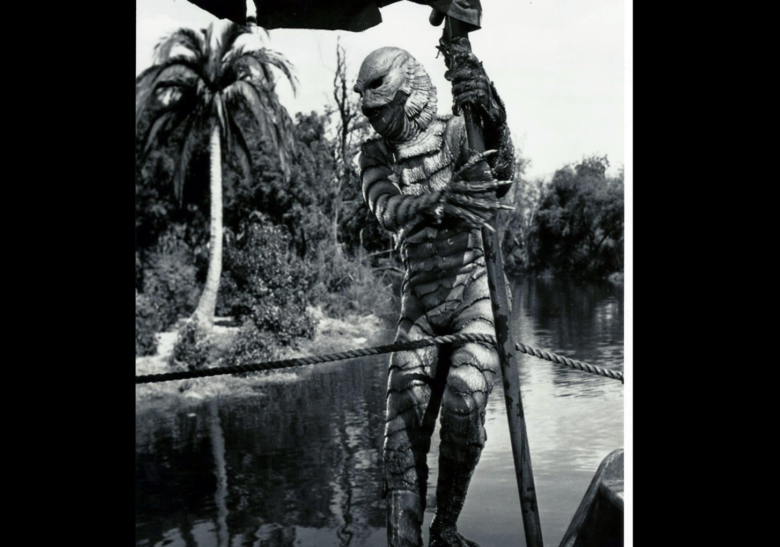
The suit nobody could sit in
Ben Chapman, 6’5″, wore the Gill-man suit on land for the 1954 film and couldn’t sit in it during the 14 hours a day he wore it. Ricou Browning, much smaller, played the Creature underwater in a different suit, and the studio had to build the two costumes separately. Browning has said his story about holding his breath for four minutes is exaggerated. About two was the limit.
Disney animator Milicent Patrick designed the Creature, and studio makeup chief Bud Westmore took credit for it for about 50 years.
The bottom line
Stoker never saw Transylvania. Burne-Jones buried his paint.
Ask us! What questions do you have about content, strategy, pop culture, lifestyle, wellness, history or more? We may use your question in an upcoming article!
Related:
- Your cozy (or spooky!) Halloween movie, according to your horoscope
- Some of the most surprising record deals in music history
Like MediaFeed’s content? Be sure to follow us.
This article was syndicated by MediaFeed.co.