Medical treatments from the past that read like horror movie plots
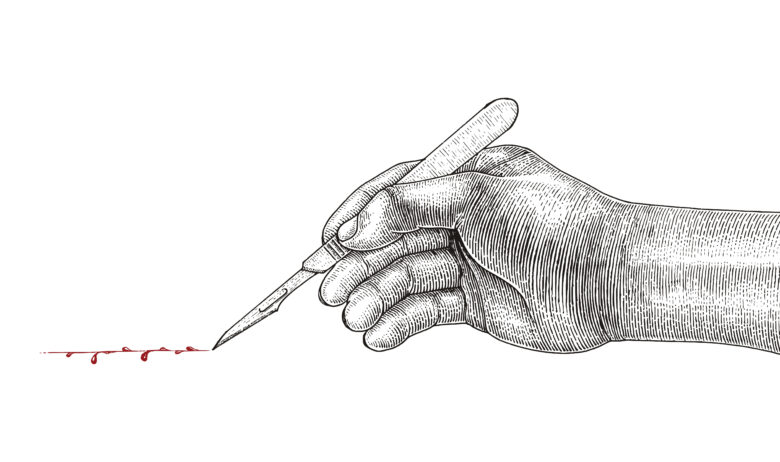
On the morning of December 14, 1799, George Washington woke at Mount Vernon with a sore throat and trouble breathing, and he asked his overseer, George Rawlins, to bleed him, per Mount Vernon. Rawlins took 12 to 14 ounces at 7:30, and Washington asked for more. He was dead by that night.
His doctors weren’t villains. They were using the standard care of 1799. Everything below was also mainstream, or sold as mainstream, in its day.
Six cases follow, each with a named doctor or patient. Where sources disagree on numbers, we say so.
Four bleedings, three doctors, one suggestion
Dr. James Craik had been Washington’s physician for more than 40 years. Dr. Gustavus Brown rode in from Maryland, and Dr. Elisha Dick, the youngest of the three, objected to the fourth and largest bleeding, 32 ounces. Dick also proposed a tracheotomy, and Craik and Brown talked each other out of it, because the patient could die on the table.
Tobias Lear’s account is the best record. A peer-reviewed re-examination says only that more than 44 to 46 ounces can be established across four bleedings. Other estimates run from about 40 percent to half his blood volume.
“This Yankee dodge beats mesmerism hollow”
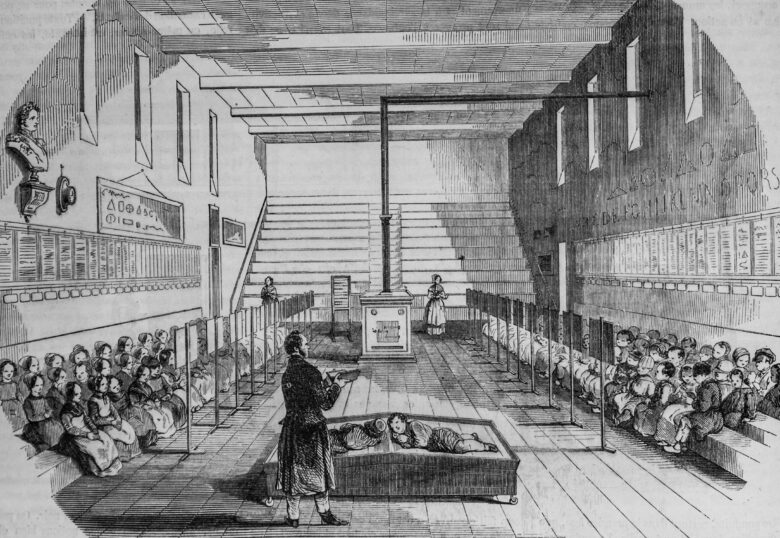
Robert Liston, a Scottish surgeon, said that on December 21, 1846, at University College Hospital in London, after performing the first operation in Europe under ether. His patient, Frederick Churchill, had a leg amputated.
Before ether, speed was the only mercy. Liston was called “the fastest knife in the West End” and could take a leg off in about two and a half minutes. One account says that between 1835 and 1840 he did 66 amputations and lost 10 patients. A paper on surgical consent puts it plainly: surgeons worked fast to minimize the discomfort. Liston died of an aortic aneurysm in December 1847.
Rush’s Thunderbolts
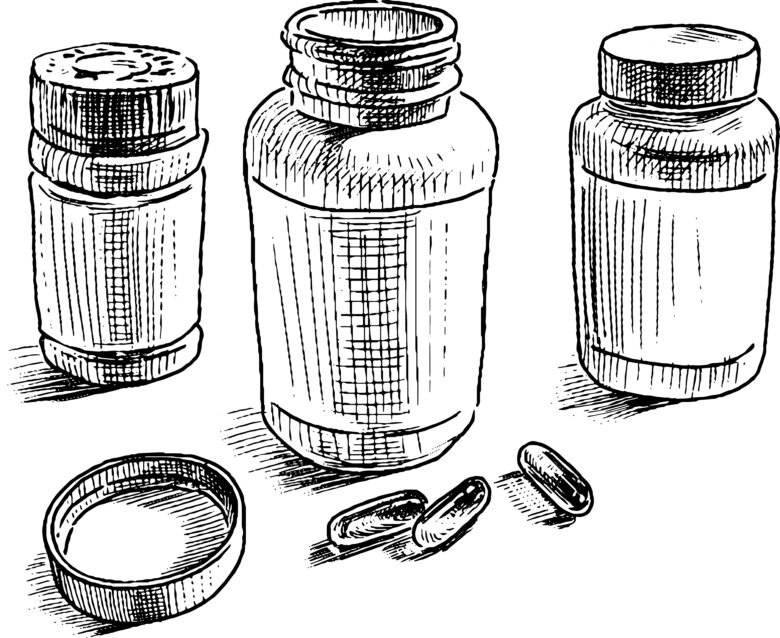
In the summer of 1803, Meriwether Lewis met Dr. Benjamin Rush, the country’s leading physician, in Philadelphia. Rush gave Lewis about 600 of his “Bilious Pills,” nicknamed Rush’s Thunderbolts.
Each pill reportedly held 10 grains of calomel, a mercury compound, plus 10 to 15 grains of jalap, a laxative. That’s about four times the weight of an aspirin. The captains handed them out almost as a cure-all.
Mercury doesn’t break down. Modern researchers traced the expedition’s camps by testing latrine soil, including Travelers’ Rest, where the party rested in September 1805.
A tonic with radium in it
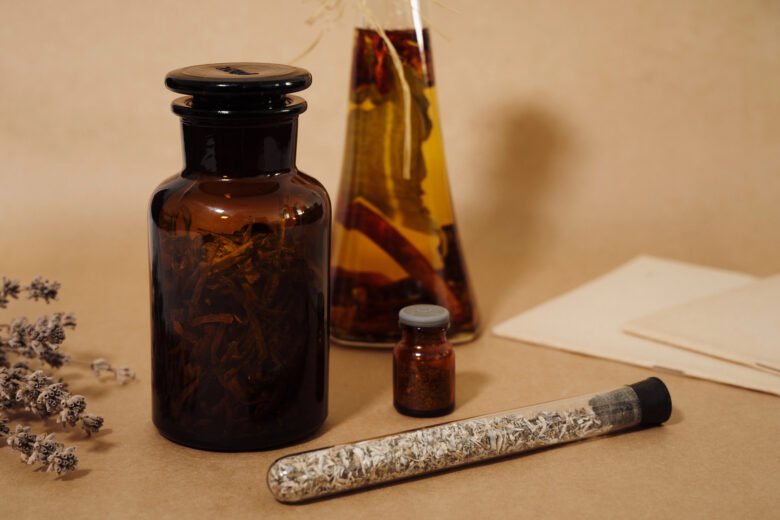
Eben Byers was a wealthy Pittsburgh steel man and amateur golf champion. After an arm injury, a doctor suggested Radithor, radium dissolved in water, sold by William J.A. Bailey, a Harvard dropout who falsely claimed to be a physician.
Byers drank about 1,400 bottles starting in 1927 and died on March 31, 1932, at 51. In 1931, a Federal Trade Commission lawyer visited his home and reported that his bones were breaking down. The FTC ordered Bailey to stop claiming Radithor was harmless. MIT physicist Robley Evans exhumed Byers in 1965 to estimate his radium intake.
Howard Dully was 12
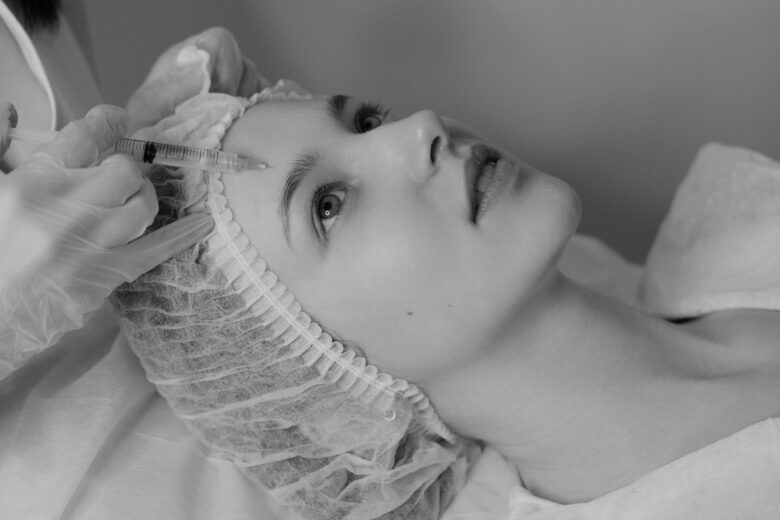
On December 16, 1960, Dr. Walter Freeman performed an “ice pick” lobotomy on Howard Dully at a San Jose hospital, for $200. Freeman had done the first one on January 17, 1946, in his Washington, D.C., office, and he went on to perform at least 2,500 of them in 23 states.
In July 1952, he did 228 in two weeks in West Virginia, a project newspapers dubbed “Operation Ice Pick.” Egas Moniz had won the Nobel Prize for the lobotomy in 1949.
Dully became a bus driver, and in 2005 his NPR documentary, “My Lobotomy,” told what he’d learned. He died in February 2025.

Goat glands in Milford, Kansas
In 1918, a farmer walked into John R. Brinkley’s clinic in Milford, Kansas, and asked whether goat glands could fix his problem. Brinkley said yes, and the $750 operation drew more than 100 customers a week.
Brinkley had bought his degrees from diploma mills. He started a radio station, KFKB, in 1923 to sell the cure. In 1930, Kansas pulled his license for “gross immorality and unprofessional conduct,” and by then he’d signed death certificates for 42 patients, per a Texas documentary summary.
He moved to Del Rio, Texas, and built a radio station across the border. After the AMA’s Morris Fishbein called him a quack, Brinkley sued for libel, and a jury ruled for Fishbein. Brinkley filed for bankruptcy in 1941 and died in 1942.
The bottom line
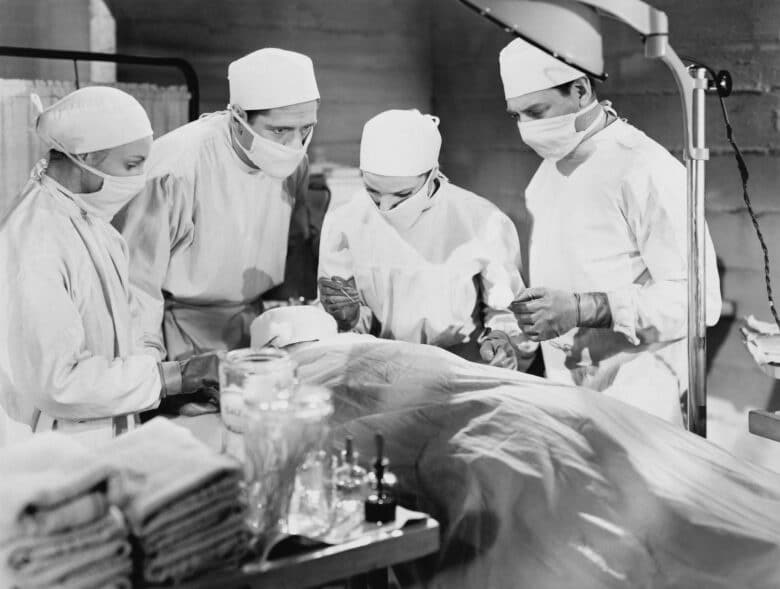
Washington lost about 40 percent of his blood, and Rush’s pills left mercury in the ground at Travelers’ Rest. Radithor’s maker, William Bailey, was never tried for Byers’s death.
Ask us! What questions do you have about content, strategy, pop culture, lifestyle, wellness, history or more? We may use your question in an upcoming article!
Related:
- Historical “discoveries” that turned out to be elaborate hoaxes
- Some of the most surprising record deals in music history
Like MediaFeed’s content? Be sure to follow us.
This article was syndicated by MediaFeed.co.