10 signs your deceased pet is still with you
More than 4,000 grieving pet owners filled out one study, most of them within days of losing their animal. What they leaned on was simple: fond memories, reliving old stories, and holding on to the pet’s things. Wendy Packman, a psychology professor emerita at Palo Alto University, helped write it.
Other research asked about stranger experiences. In one study of grieving owners, 84% said that within the previous two weeks they had, for at least a split second, believed they’d seen or heard their dead pet, according to Psychology Today.
Nothing in this research says a pet is still around. What it says is plainer. These moments are a normal part of grief, and many owners feel them as a continuing bond. Here are ten people report most often.

A sound that’s almost theirs
In that two-week window, 70% of owners had mistaken a sound for their dead pet, the same study found. A jingling tag or nails on the floor is enough.
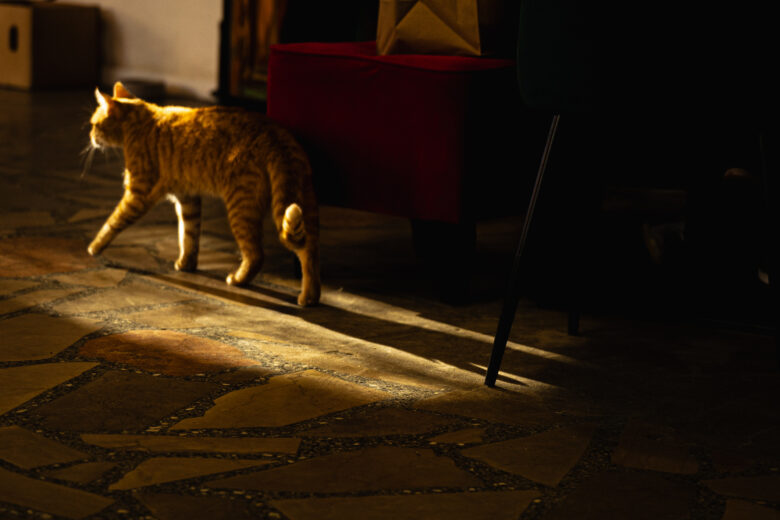
A shape at the edge of your vision
77% had mistaken another animal for their dead pet. The researchers call these “false recognitions,” and they’re common even among owners with no history of anything unusual.
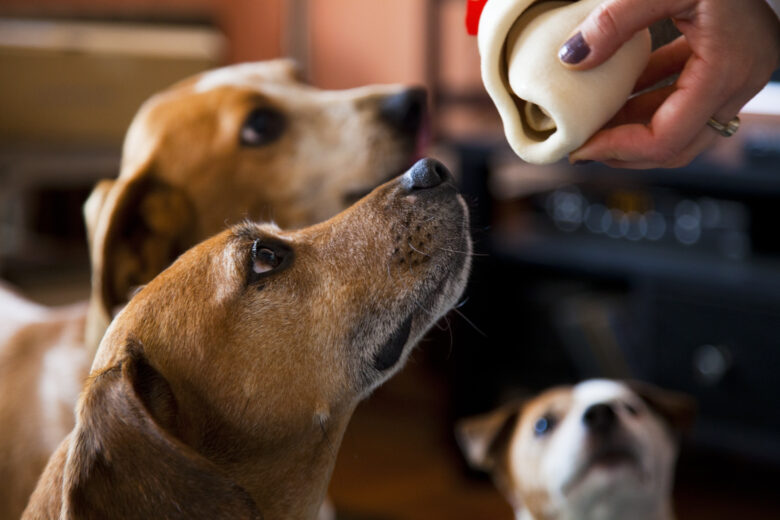
93%
That’s how many owners found pet-related habits hard to break. Some began feeding the dead pet or calling its name, according to the same study.
The urge to go looking
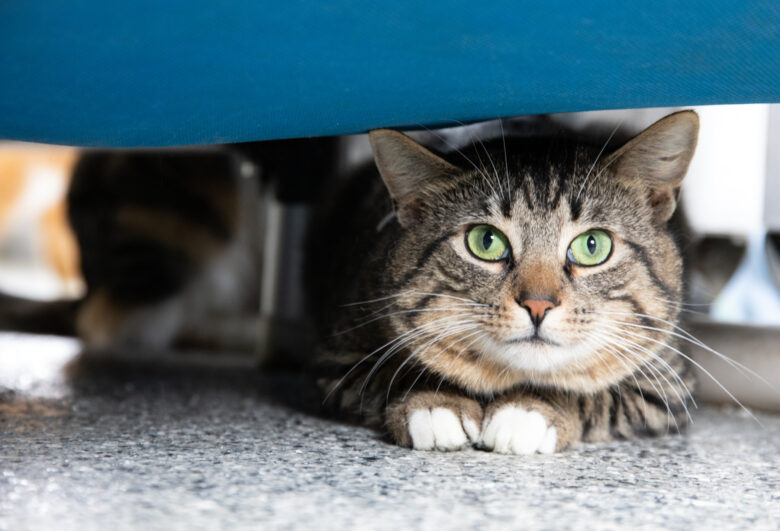
32% felt a pull to look for their pet. Owners often keep this experience to themselves, which makes it feel stranger than it is.

A weight on the bed
Ask researchers what people notice after a death, and one answer tops the list: a sense of presence. Visual and auditory experiences come after it, and 40 to 70 percent of bereaved spouses report one kind or another. For pets, one comparison found that 32.2% of grieving owners had at least one waking experience in the past month of seeing, hearing, or feeling their animal. Among people who’d lost a partner, it was 50.7%. Reviewers say these experiences shouldn’t automatically be viewed as pathological and may be adaptive.
Photos you keep returning to
Looking at photos is one of the most common ways owners stay connected, alongside reminiscing and talking to the deceased.

An image so strong it feels alive
21% of owners said they sometimes felt an image of the pet so strong that the animal seemed alive.

A leash you can’t put away
Preserving a pet’s possessions, such as a leash or blanket, is one of the most common continuing bonds researchers count.

Talking to them out loud
So are talking to the pet and writing letters to it. Many owners do both, and researchers treat them as ordinary grief behavior.

Comfort, not only ache
For some owners, these bonds seem to ease grief. One cited analysis found that people who engaged in continuing-bond activities had less severe grief than those who did not. A review also notes there’s no consensus on the impact, and that owners can grieve about as hard as they would for a person.
If it hurts more than it helps
The Cornell Pet Loss Support Hotline (607-218-7457) is staffed by veterinary student volunteers trained by professional grief counselors. It isn’t a mental health line, and its hours vary. Tufts runs one at 508-839-7966, Monday through Thursday, 6 to 9 p.m. Eastern, with 24-hour voicemail. The Association for Pet Loss and Bereavement hosts free, scheduled chat rooms staffed by trained volunteers. If grief is getting in the way of daily life, a licensed counselor is the right next step.

The bottom line
None of the studies cited here tested whether a pet is actually present. They measured what grieving owners notice, and most of them notice something.
Ask us! What questions do you have about content, strategy, pop culture, lifestyle, wellness, history or more? We may use your question in an upcoming article!
Related:
Like MediaFeed’s content? Be sure to follow us.
This article was syndicated by MediaFeed.co.