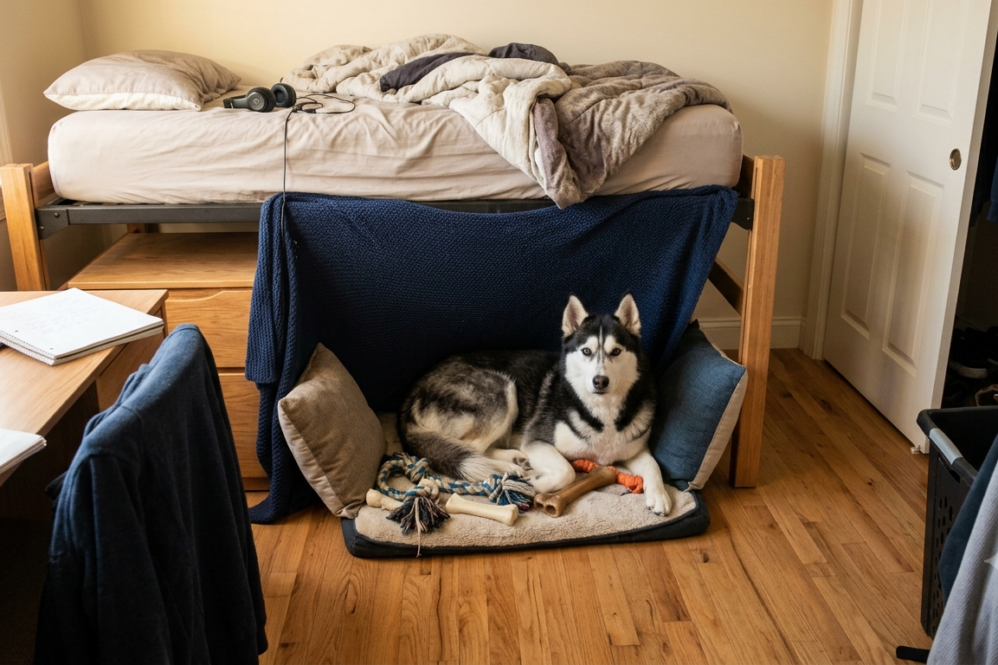
12 warning signs your dog is trying to tell you they are in pain
Dogs hide pain, which is an old survival instinct in the animal kingdom, since appearing vulnerable used to mean looking like prey. Doesn’t help the humans trying to notice, though.
Fewer than half of dog owners correctly identify subtle pain signals, according to a study from Utrecht University.
Twelve worth learning.
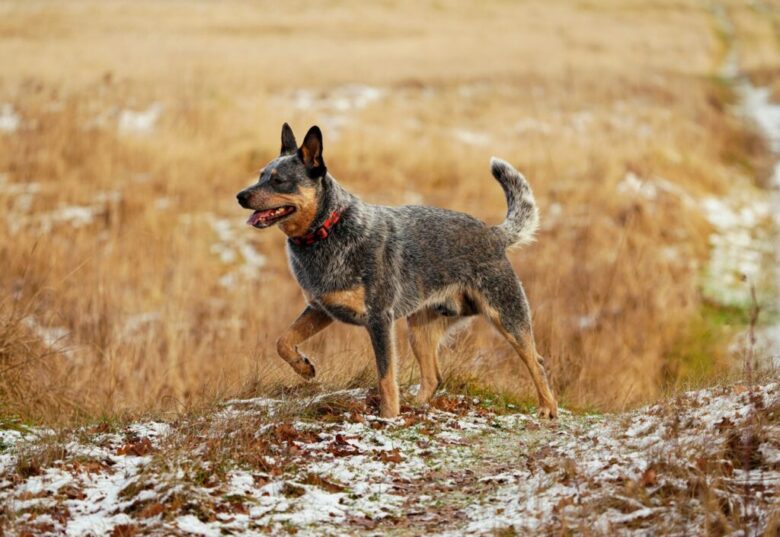
Altered posture
Arched back, low head, an oddly held tail. Cornell’s vet college notes these shifts develop gradually, which is exactly why nobody catches them in time.
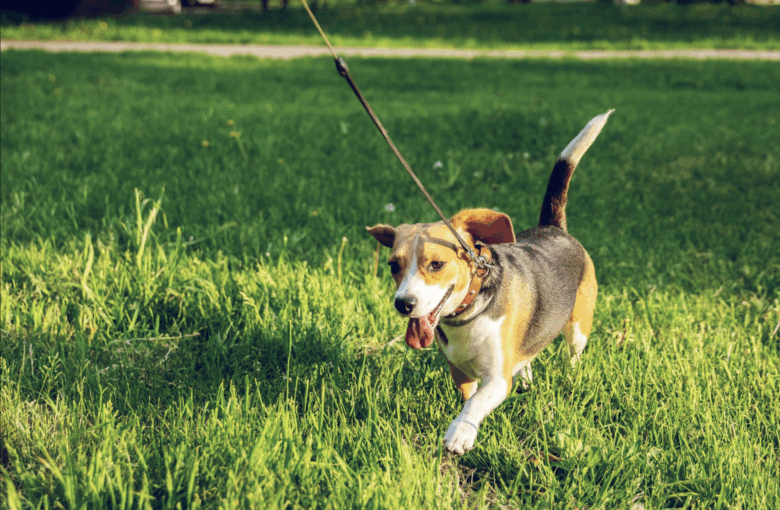
Stiffness or limping
One vet specialist has a trick: compare a dog’s first few steps in the morning to how they moved six months back. Early arthritis is often waved off as “just getting old” more often than it should be.

Trouble getting up
Struggling to rise. Sitting, then standing, then sitting again, unable to settle. The AAHA notes that limping, favoring a limb, or stiffness when rising often signals joint pain long before a limp appears.

Restlessness
Pacing. Constant repositioning. Wandering with no clear destination. Ranks among the more common activity changes vets ask owners to track.
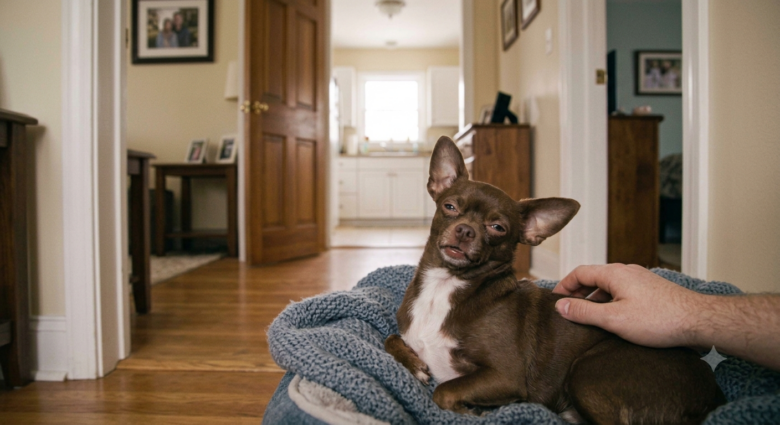
Excessive licking of one spot
Dogs tend to injure the way they’d clean a wound. Repeated licking at a leg, a paw, one specific patch of skin usually means something’s wrong there, not routine grooming.
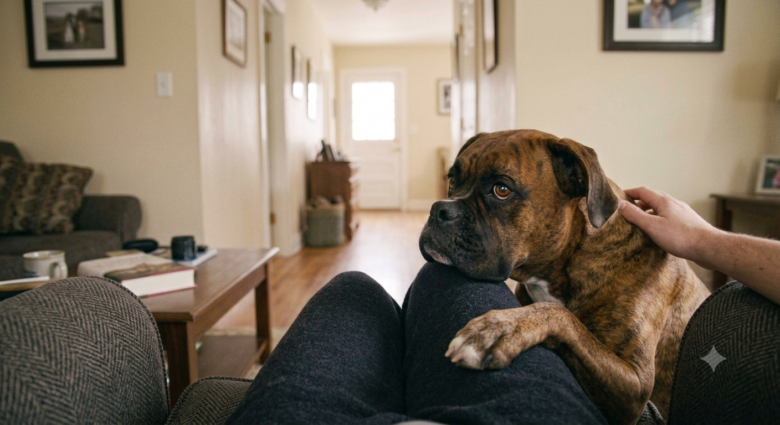
Panting with no exertion
No exercise. No heat. No obvious reason. Still panting hard. One veterinary practice flags this specifically: panting heavily for no clear reason, especially when paired with other changes, warrants a call to the vet.
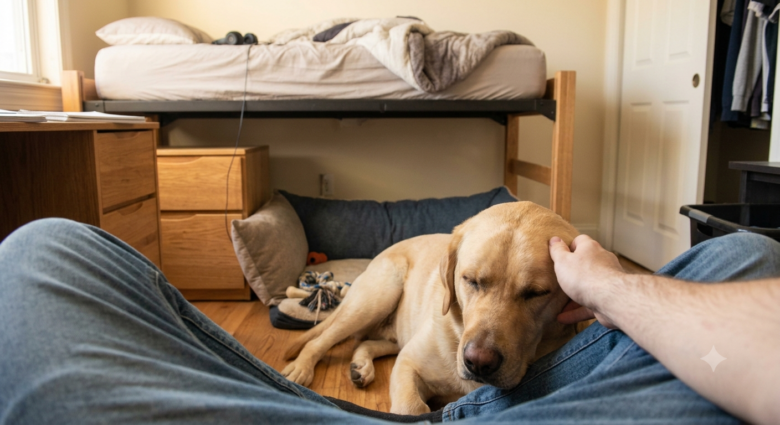
Trembling or shaking
Not cold. Not scared. Shaking anyway. A veterinarian at GoodRx has explained that dogs tremble or shake with muscle pain, abdominal pain, or spinal pain, and that the reaction shows up with arthritis and physical trauma alike.
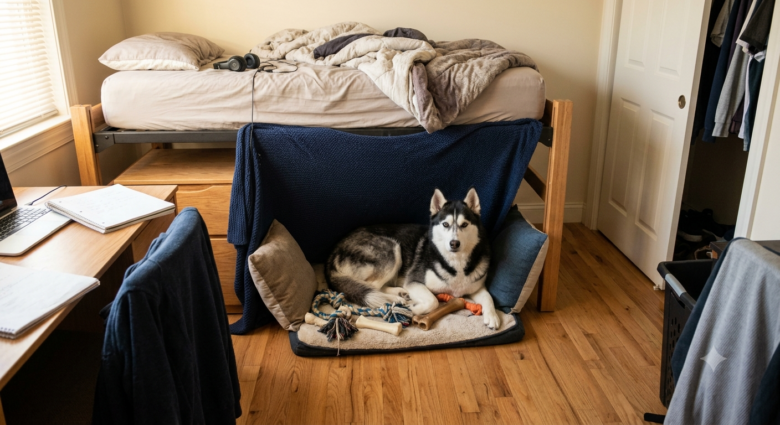
Hiding, avoiding contact
Stops greeting at the door. Retreats to another room. Reads as moody. Pain can make even normally friendly dogs dislike physical contact, not out of stubbornness, but because they’re actively trying to avoid discomfort.
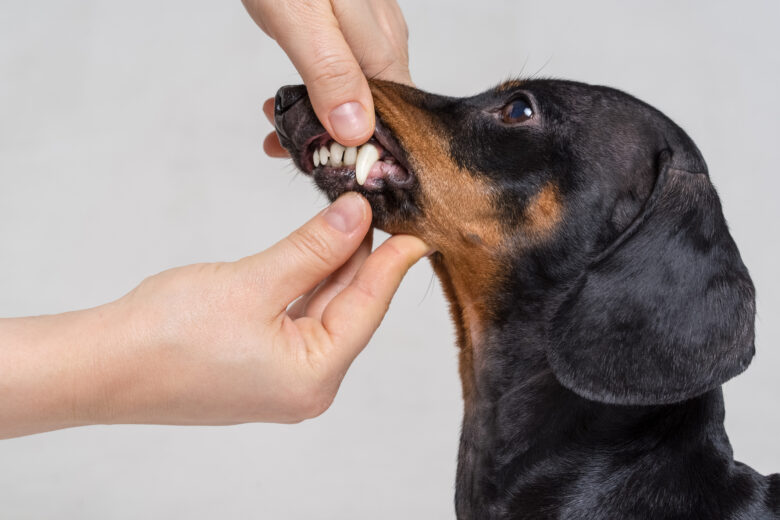
The food drop
Picks up kibble. Drops it, tries again, drops it again. Dogs with dental pain do this constantly, wanting to eat but finding the actual chewing part unbearable, a pattern one veterinary source describes in detail alongside other subtle eating changes.
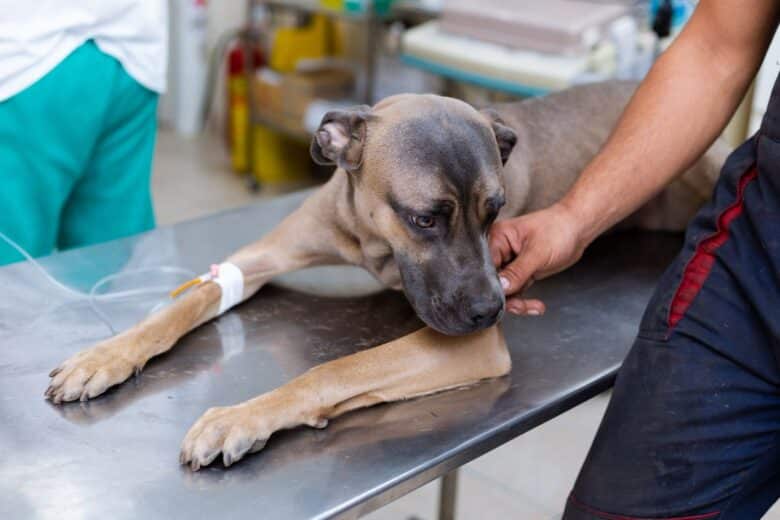
Avoiding the water bowl
Drinks less, or only when clearly desperate. Bending down to a floor-level bowl can strain a sore neck or back more than most owners realize, and vets increasingly recommend raising food and water bowls for dogs showing cervical discomfort.

Changes in sleep position
Always curled tight, now stretched out flat. Could be abdominal discomfort. Stopped lying on one side entirely. Could be something going on with breathing or the chest. St. Francisville Animal Hospital notes that changes in sleeping patterns, whether sleeping more or struggling to get comfortable, are a real signal worth tracking.
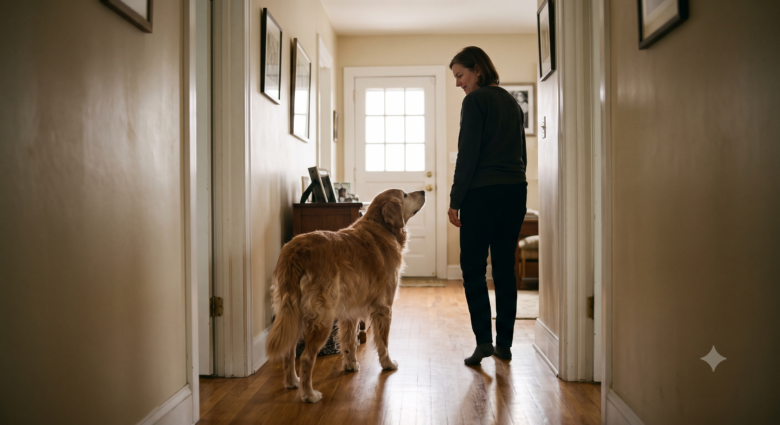
Reduced interest in play or greeting
Skips the excitement at the door. Ignores a favorite toy. Checks out of things that used to matter. Veterinarians describe this as a loss of interest in once-loved activities, often mistaken for a dog simply slowing down with age when something else may be going on.

The bottom line
None of these signs shout for attention on their own. That’s the actual danger. A dog built to hide discomfort is counting on someone paying close enough attention to catch it anyway.
Ask us! What questions do you have about content, strategy, pop culture, lifestyle, wellness, history or more? We may use your question in an upcoming article!
Related:
Like MediaFeed’s content? Be sure to follow us.
This article was syndicated by MediaFeed.co.