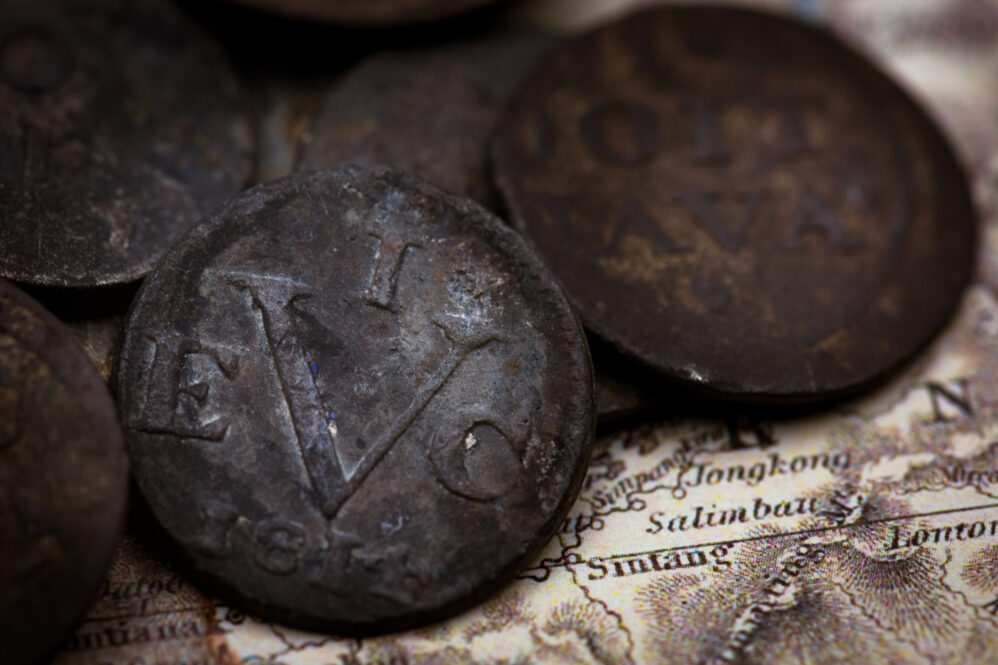
Historical artifacts discovered in the wrong time period
An archaeologist mistook them for pennies. A mining crew dragged a statue out of a Siberian bog. A New Mexico boulder showed up carrying the Ten Commandments in Hebrew. Each one landed in a layer of history where it had no business being.
Five finds below, three real and two probably not.
The Okinawa archaeologist who mistook Roman coins for pennies
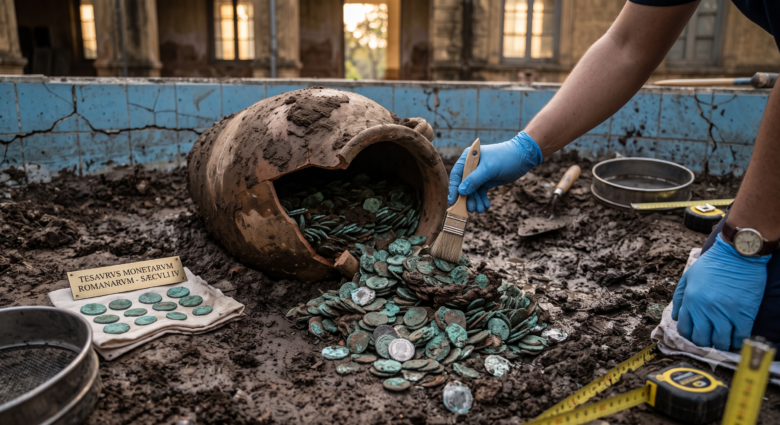
Digging at Katsuren Castle, Hiroki Miyagi told AFP, “At first, I thought they were one-cent coins dropped by US soldiers.” Then he washed them. X-rays showed Roman lettering and possibly the face of Constantine, and the oldest dated to about 300 to 400 AD, in a castle built more than 800 years later. Merchants in that era mostly used Chinese coins with square holes, so nobody at Katsuren paid for anything with them.
61 footprints
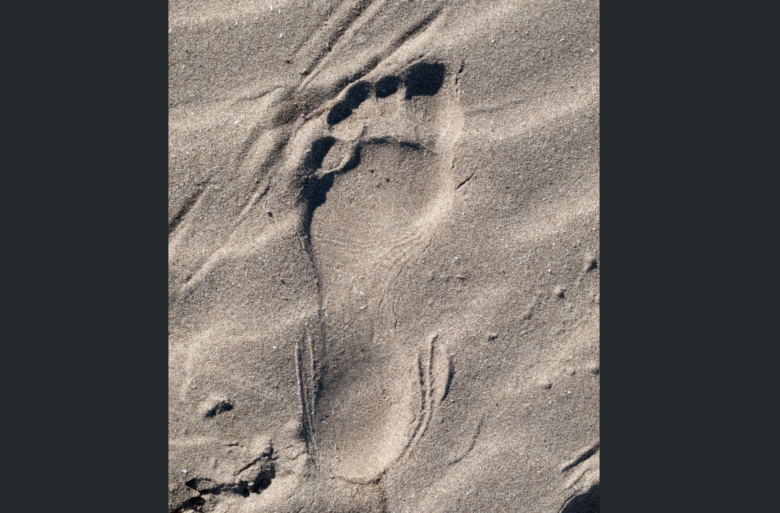
They’re pressed into an ancient lakebed in New Mexico, left by children and teenagers, probably, across about 2,000 years of soil layers. A 2021 study dated them to 21,000 to 23,000 years old, and critics pointed out that the textbook date for humans in the Americas is 13,000 to 16,000 years ago. A follow-up used two independent approaches, pollen and ancient mud, and landed in the same range. Not everyone has signed on, but the date now rests on three separate methods.
Why was a gold-mining crew in 1890 digging up a 12,000-year-old statue?
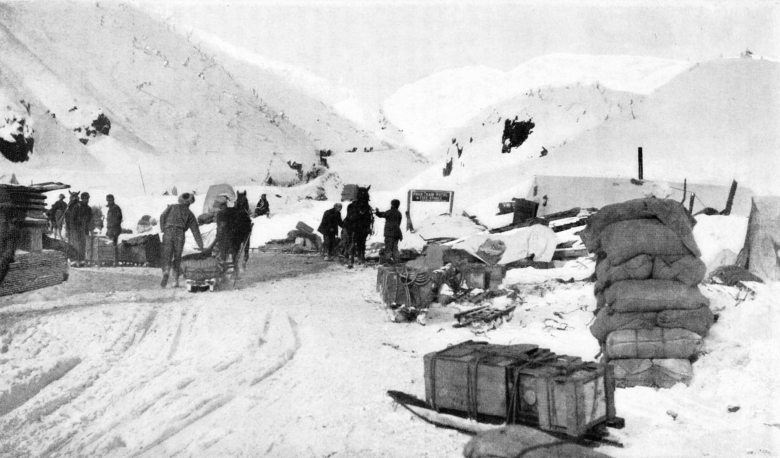
They weren’t looking for it. Gold miners working a Ural Mountains peat bog hit wooden fragments, and the acidic, oxygen-poor mud had preserved the larch. Early guesses put it at a few thousand years old. A 1997 test put it at 9,500, and later German analyses pushed it to 11,500, which puts the carved zigzags and faces thousands of years ahead of the Egyptian pyramids. The miners wanted gold.
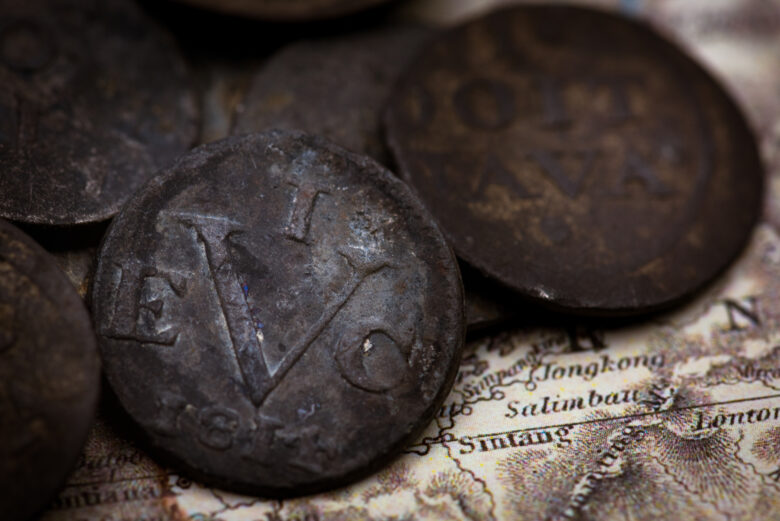
A Norse coin on the Maine coast has exactly one witness
A silver penny from the reign of Olaf Kyrre, 1067 to 1093, was reportedly found in 1957 at the Goddard Site by an amateur archaeologist and coin collector. It’s the only Norse object the dig has produced. If it’s real, it likely traveled through native trade networks, since the only known Norse settlement in North America had long been abandoned. Archaeologist Edmund Carpenter’s verdict: “Not proven.”
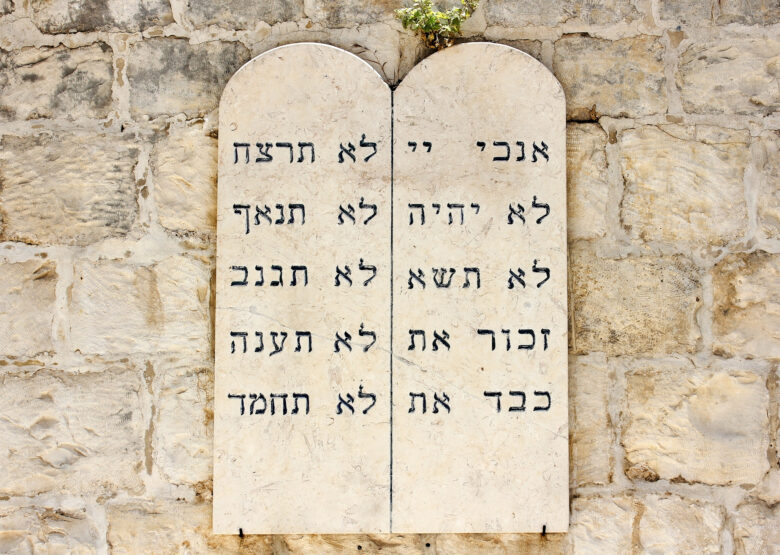
“Almost certainly a fake”
That’s archaeologist Kenneth Feder on the Los Lunas Decalogue Stone, a New Mexico boulder carved with the Ten Commandments in Hebrew letters. Some say it proves ancient Hebrew visitors reached the Americas. Feder points out that the inscription is sharp and crisp and that the stone has no archaeological context at all. Its other nickname, Mystery Stone, is doing a lot of work.

The bottom line
Three of these changed a date in the textbooks. The other two are still being cross-examined.
Ask us! What questions do you have about content, strategy, pop culture, lifestyle, wellness, history or more? We may use your question in an upcoming article!
Related:
- Historical “discoveries” that turned out to be elaborate hoaxes
- Some of the most surprising record deals in music history
Like MediaFeed’s content? Be sure to follow us.
This article was syndicated by MediaFeed.co.