Cult classic sci-fi movies that were total box office flops when released
Five of these six movies opened the same summer. Studios expected blockbusters but what they got instead was too slow, too strange, or too far ahead of what 1982 audiences were actually ready to sit through, and the verdict on nearly all of them flipped completely within a decade.

Blade Runner
That’s the entire opening weekend Blade Runner managed in 1982, up against Spielberg’s E.T. the same summer. Executives had already gutted Ridley Scott’s cut before release, forcing in a tacked-on happy ending and a bored-sounding voiceover neither of them wanted. None of it moved the number. The film technically turned a profit, a small one, nowhere close to what a Harrison Ford picture was supposed to deliver that year.

The Thing
Bad timing on its own. Worse once critics got involved. John Carpenter’s practical gore effects, genuinely groundbreaking work by any modern measure, got savaged in 1982 reviews as excessive rather than impressive. Horror fans now cite that exact creature work as the reason the film still gets watched today. The original reviewers just weren’t ready for it, and by the time anyone changed their mind, the damage to the film’s reputation had already been done.
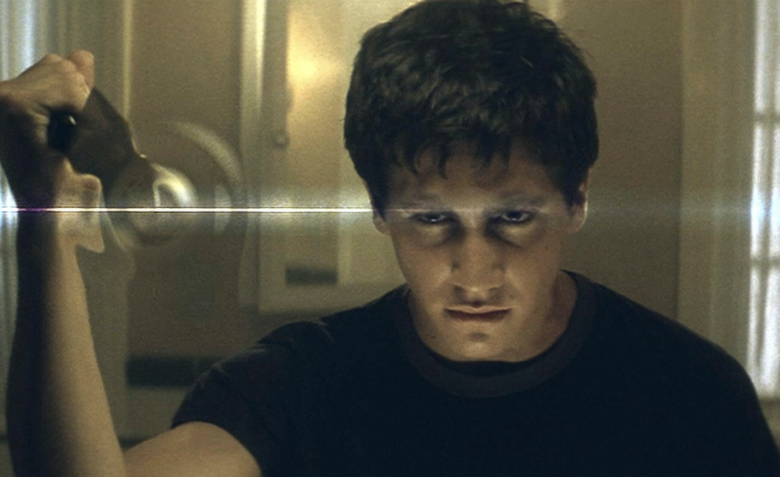
Donnie Darko
Donnie Darko never had a chance to build momentum at that rate. $4.5 million to make. $517,735 domestic, total, full stop. A story about a jet engine crashing into a house, released weeks after September 11, walked straight into timing nobody in the marketing department could have fixed no matter how hard they tried.
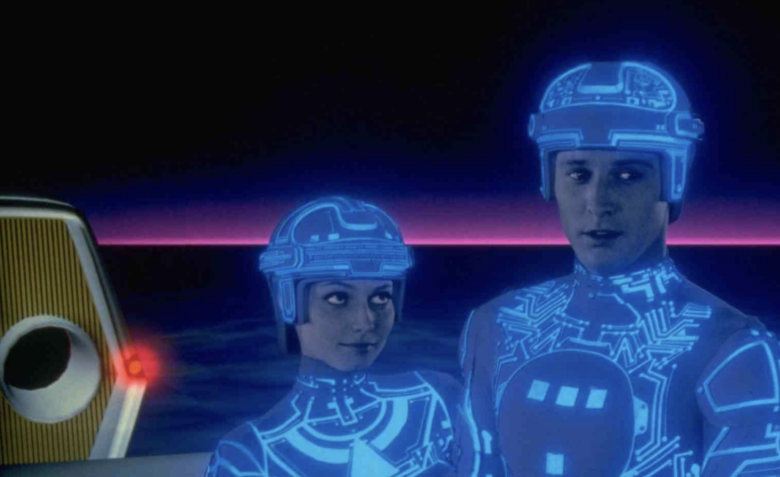
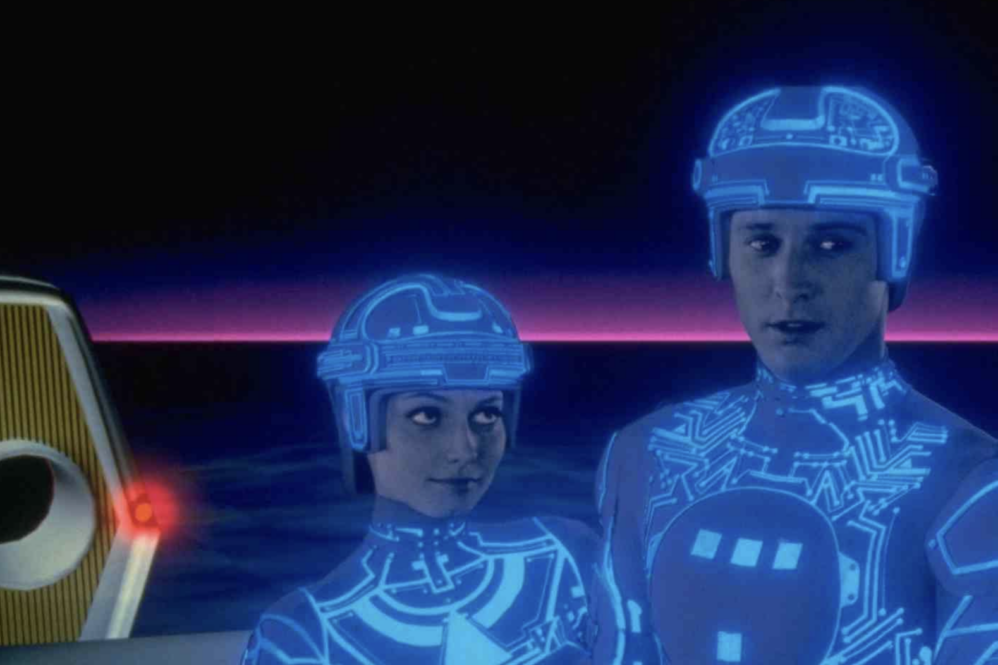
Tron
Genuinely groundbreaking computer-generated imagery, $17 million spent making something nobody had ever seen from a major studio before. Box office landed at $50 million, technically a profit, a real disappointment against what Disney was hoping for. Audiences raised entirely on practical effects had zero frame of reference for what they were watching. Draw your own conclusion about how many people walked out of that theater in 1982 more confused than impressed.
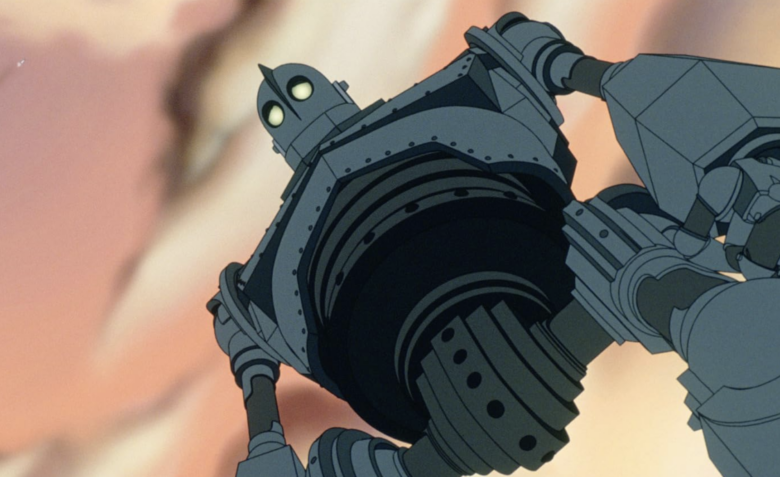
The Iron Giant
The Iron Giant’s production team got a release date only four months out, nowhere near enough runway to build real buzz, and a planned Burger King toy tie-in simply never happened. Hesitation traced straight back to Quest for Camelot’s failure the year before, a flop nobody at the studio wanted to repeat. The film still closed at $31.7 million worldwide, despite reviews that were nearly unanimous in calling it great.
The bottom line
Every film here eventually found its actual audience, years too late for anyone involved to see a dime of the benefit. Being ahead of the curve and simply failing look identical in the moment. Only time tells the two apart.
Ask us! What questions do you have about content, strategy, pop culture, lifestyle, wellness, history or more? We may use your question in an upcoming article!
Related:
- 10 feel-good movies to watch when you need a break
- The most controversial songs of the ’60s: Do you agree?
Like MediaFeed’s content? Be sure to follow us.
This article was syndicated by MediaFeed.co.