
The Moment People Start Calling You Old
Have you ever noticed how differently people see you once you reach a certain age?
I’ve noticed it. At some point you stop being called young, and suddenly you become older. And then older becomes, wait for it, elderly. It drives me nuts when I hear that word.
Somewhere along the way, society starts making assumptions about who you are, what you can do, and what you should be doing, simply because of the number on your birth certificate. And I have to tell you, I ain’t buying it. I’m just not.
Because I wonder sometimes, how do they really see us as we age? Do they see us as old? Do they see us as fragile? Do they assume we don’t understand technology, don’t want adventure, don’t care about how we look, or shouldn’t be trying new things? Do they look at a woman in her 60s or 70s and automatically think she’s elderly?

Old Is a Mindset, Not a Number
Here’s the thing: being older doesn’t automatically mean being old. There’s a difference. Age is a number. Old is a mindset.
And I have to say, my salty sister and Kuel Life Thought Leader, Yvonne Marchese, would be so proud that I’m talking about this today.
And I’m not saying that our bodies don’t change. They absolutely do. We may recover differently. We may have aches and pains we didn’t have 20 or 30 years ago. We may have to work a little harder to maintain muscle strength, balance, mobility, and energy. And that’s the truth. But that doesn’t mean we stop living. Doesn’t mean we stop learning. It doesn’t mean we stop having dreams. And it certainly doesn’t mean we should quietly move to the sidelines and let younger people have all the fun. Nope. Nope. Nope. Nope.
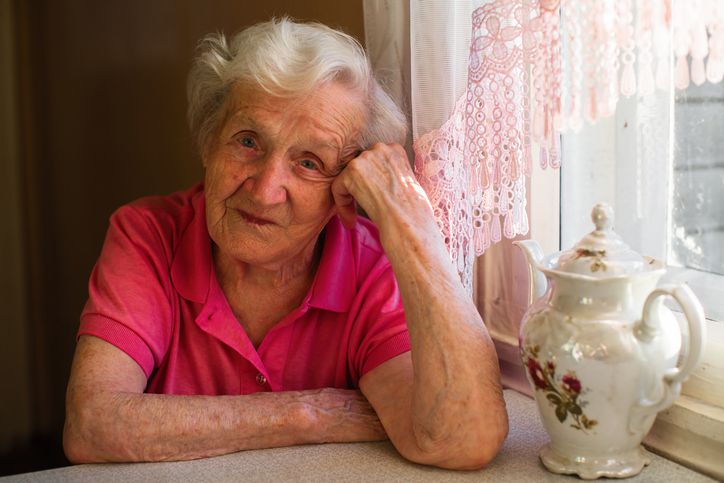
The Story We’re Told About Aging
I think one of the biggest problems with aging is that we start believing the story other people tell us about what aging is supposed to look like. We’re told to slow down. We’re supposed to dress a certain way, act a certain way, maybe stop caring about our appearance, stop taking risks, stop starting businesses, stop dating, stop traveling, stop lifting weights, stop trying new things. Basically, we’re supposed to become invisible.
But what if we don’t want to be invisible? What if instead of trying to look younger, we simply decide to live fully at the age we are? Whatever that looks like for you.
There’s something incredibly powerful about reaching an age where you finally realize you don’t have to prove anything to anybody anymore. You know who you are. You know what you’ve survived. You know what you’ve accomplished. And you also know that life isn’t just over because you’ve accumulated a few more birthdays.

We Aren’t Trying to Be You
And here’s something I want younger people to understand about us. We aren’t trying to be you. We don’t want to be you. I don’t want to be 25 again. I don’t want to go back and repeat all the lessons I had to learn the hard way. I don’t want your metabolism. Okay. Well, hold up. Maybe I do want that part. Just saying.
But I don’t want to trade the wisdom, the confidence, the resilience, the perspective I’ve gained for youth. Because there is something pretty amazing about getting older and finally realizing that your worth isn’t determined by how you look. Your value isn’t determined by your productivity, and your life doesn’t become less meaningful simply because you’ve lived more years.

How Do We See Ourselves?
So maybe the question isn’t how do younger people see us. Maybe a better question is how do we see ourselves? Because if we see ourselves as old, limited, irrelevant, or finished, we’re going to start living that way. But if we see ourselves as experienced, capable, curious, strong, and still growing, and yes, I do, that’s a completely different story.
I don’t need to be a younger person. I don’t need someone telling me I’m young. I’m not. I’m 69. And I’m actually pretty damn proud of that. Actually, I’m very proud of that.
I’ve lived 69 years. I’ve learned. I’ve failed. I’ve gotten back up. I’ve changed. I’ve grown. And I’m still becoming the person I’m supposed to be, even right now.
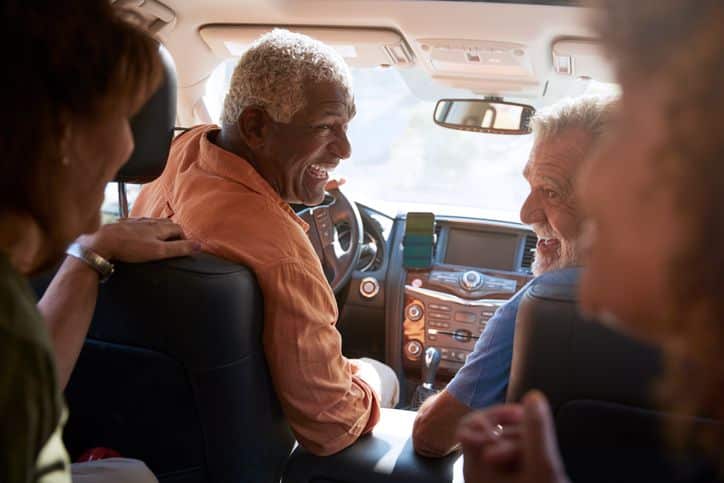
Write Your Own Definition of Aging
So the next time somebody looks at you and sees old, I want you to remember something. They’re just looking at your age. They aren’t necessarily seeing your story. They don’t know everything you’ve survived. They don’t know everything you’ve accomplished. And they certainly don’t get to decide what’s possible for you next.
So let them call you old. Let them call you elderly. Although I still have a problem with that one. Let them make whatever assumptions they want. You don’t have to live according to their definition of aging.
And by the way, I just want to say that when younger people say, “Oh my gosh, I didn’t know you were that old,” they say it as if they’re never going to reach my age. I am very lucky to be the age that I am, but I have planned to age the way I want to age.
You don’t have to live according to a definition of aging. You get to create your own. Because getting older isn’t the end of the story. It’s simply another chapter. And honey, I’m not done writing yet.
I hope you’re not either.
Until next time, this is Cat Corchado, your movement specialist, saying: keep it moving.
Ask us! What questions do you have about content, strategy, pop culture, lifestyle, wellness, history or more? We may use your question in an upcoming article!
Like MediaFeed’s content? Be sure to follow us.
This article originally appeared on Kuel Life and was syndicated by MediaFeed.co.