7 parenting rules from the 1970s that wouldn’t fly today
Parenting in the 1970s relied more on instinct than on research. No parenting blogs. No pediatric guidelines circulating on social media. Just whatever a mother’s own mother had done, repeated with minor adjustments and a lot of confidence.
We pulled together what actual households from the decade recorded about how kids got raised, and the pattern holds up across nearly every account.
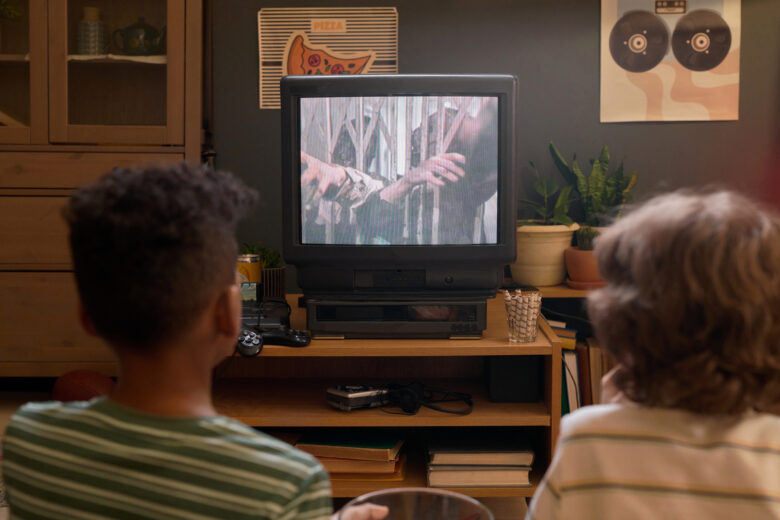
The TV ran unsupervised
No parental controls existed yet, not even the concept of them. Kids could watch whatever was on, for as long as they wanted, with nobody checking the channel or the clock. Television functioned less like entertainment and more like an actual babysitter, logged in daily hours most modern pediatricians would flag immediately.

You ate what was served
No substitutions. No separate meal for a picky eater. Food sensitivities weren’t even on most parents’ radar. Children were expected to eat whatever was served, and reluctance to do so was usually dismissed as simply being picky.

Allowance
A weekly allowance existed, but it was tied directly to chores: no work, no money. The chores themselves usually split along gender lines too. Boys handled the lawn and the trash. Girls handled the dishes and indoor tidying, a division nobody questioned at the time.
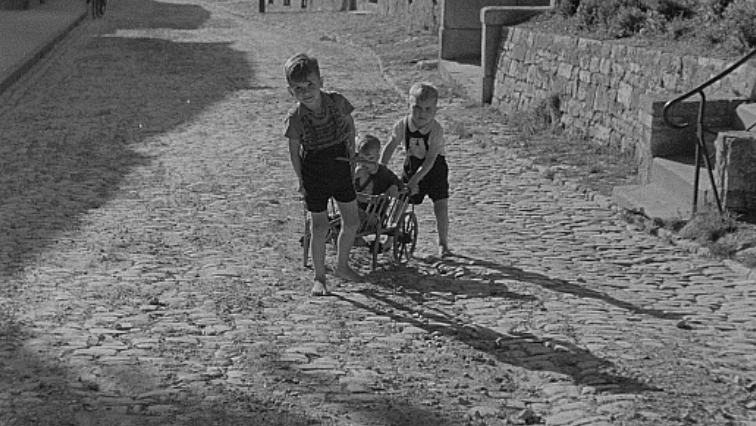
Walking to school alone
No adult supervision required, not for the walk there, not for the walk back. British researchers tracking this exact behavior found that in 1972, 80 percent of seven- and eight-year-olds got to school without adult accompaniment, a rate that had collapsed to just 9 percent by 1990.
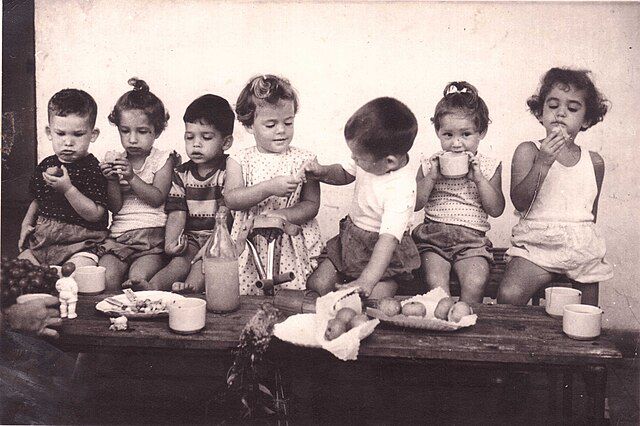
Emotional struggles
Mental health awareness barely existed in most households. Anxiety, depression, undiagnosed ADHD, all of it frequently misread as a discipline problem rather than something a kid might actually be struggling with internally. Treatment, when it happened at all, usually meant a stricter hand rather than any real intervention.

Kids settled their own fights
Two kids arguing over whose turn it was on the swing got no adult mediation whatsoever. Kids had unsupervised time to make decisions on their own, settling playground conflicts and everything else without an adult stepping in to referee.

Dr. Spock
One book. That’s essentially the whole library most parents drew from. Benjamin Spock’s guide focused almost entirely on keeping a child alive in the physical sense, leaving emotional and developmental guidance to instinct, a highball glass, and whatever a friend happened to mention over coffee.

The bottom line
None of this came from neglect, not really. It came from a genuine belief that kids were sturdier than modern parenting tends to assume, and that most problems worked themselves out without an adult stepping in every single time.
Ask us! What questions do you have about content, strategy, pop culture, lifestyle, wellness, history or more? We may use your question in an upcoming article!
Related:
- 15 Things Boomers Still Miss About the Way Life Used to Be
- 7 everyday baby boomer habits that are illegal today
Like MediaFeed’s content? Be sure to follow us.
This article was syndicated by MediaFeed.co.