11 grueling rock star tour schedules that prove accessible health insurance matters
Touring is how most musicians actually make money in the streaming era, which means the road is no longer optional for most artists who want to sustain a career. It is also one of the more reliable ways to end up seriously ill without adequate coverage. The gap between the glamour narrative of touring life and its healthcare reality is one of the music industry’s most underdiscussed problems.

The structural problem
Billboard documents that independent artists often have few resources to cover medical costs beyond the ACA, Medicare, or spouses’ employer plans. When medical issues prevent touring, artists lose not just income but the mechanism that was supposed to fund their coverage. It is a system that requires you to stay healthy in order to afford treatment when you stop being healthy.

Chappell Roan named it at the Grammys
At the 2025 Grammy Awards, Roan said directly: “Record labels need to treat their artists as valuable employees with a livable wage and health insurance.” Rolling Stone’s follow-up found the situation is structurally broken: musicians touring with ACA plans bought in New York are not necessarily covered when they fall ill in Ohio. Their geography changes every day. Their insurance network usually doesn’t.
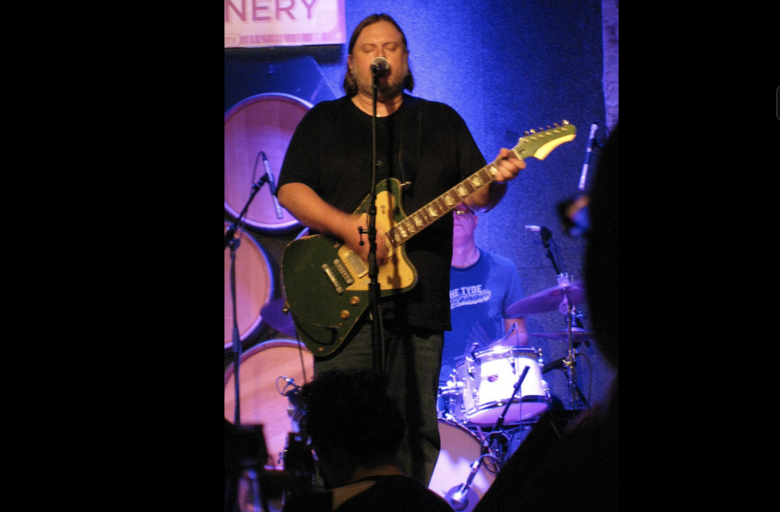
Matthew Sweet’s stroke on the road
Sweet suffered a stroke while touring in Toronto. After leaving a Canadian intensive care unit, Billboard documents he returned to Omaha with vision problems, coordination impairment and inability to walk or play. ACA insurance and early Medicare didn’t cover full home nursing care. A GoFundMe raised nearly $640,000. Nobody involved described this as a system failure. Fans did.
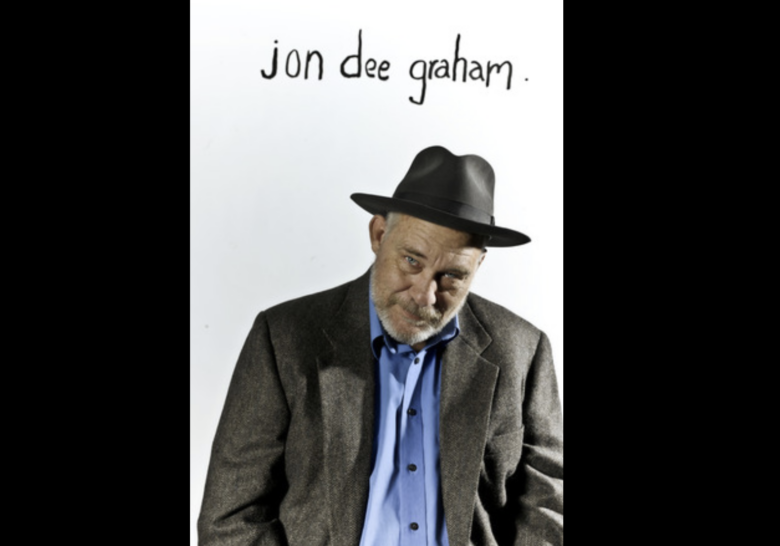
Jon Dee Graham’s spinal surgery spiral
The Austin guitarist fell in 2021 and doctors missed a crack in his spine. When he eventually had surgery, the six-month recovery meant no gigging income. The procedure failed. A second surgery followed, then an infection. His son described receiving a call from an IV medication company requiring thousands upfront before they would deliver the antibiotics.

Santigold canceled the tour entirely
Rolling Stone informed Santigold’s 2022 tour cancellation and her direct statement: “There is no insurance to cover mental healthcare unless you pay for it, no vacation days, no sick days.” Shawn Mendes, Justin Bieber, Arlo Parks and Sam Fender made similar decisions in the same period. The financial math of touring simply stopped working.
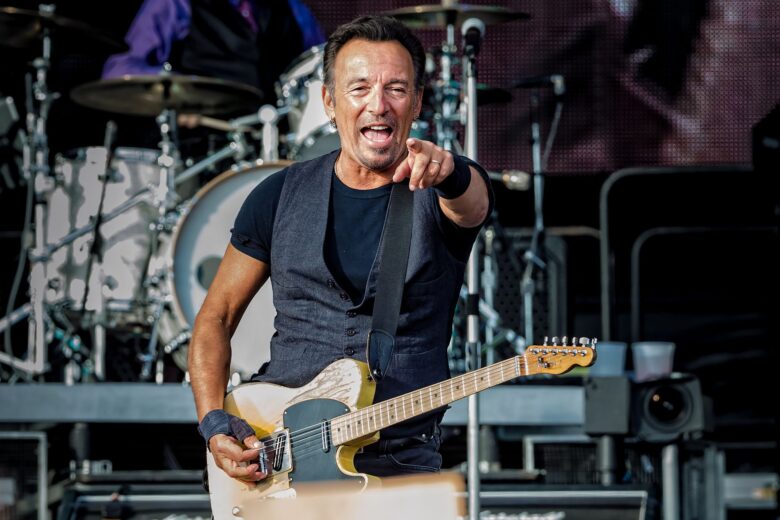
Bruce Springsteen’s peptic ulcer disease
At 74, Springsteen postponed all remaining 2023 tour dates on doctor’s orders. Loudwire recorded the announcement. Springsteen has the resources to absorb a financial hit. Most touring musicians do not, which is what made the statement read so differently depending on who was reading it.
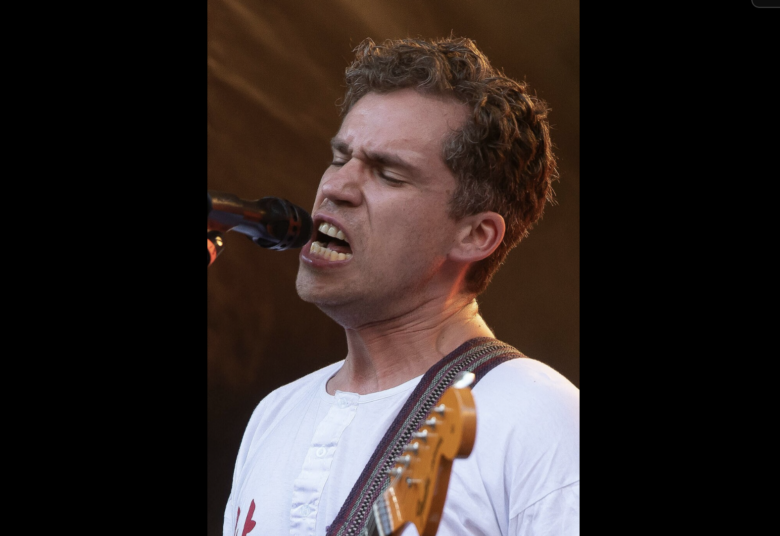
Andrew Savage of Parquet Courts
The singer-guitarist has epilepsy. Rolling Stone reported he spent years managing medication costs on credit cards after quitting his day job to tour, once weeping when told a generic drug was $40 instead of $400. The ACA eventually provided a path. The years before it didn’t.

Will Hutchinson survived a heart attack at 33
Hutchinson had a congenital heart defect and collapsed near his Nebraska home. The bill was $188,000. Because he had ACA coverage, he paid roughly $2,000. Billboard’s reporting quotes him directly: “That would potentially not only leave me in a casket, but leave my wife and children without a home.”
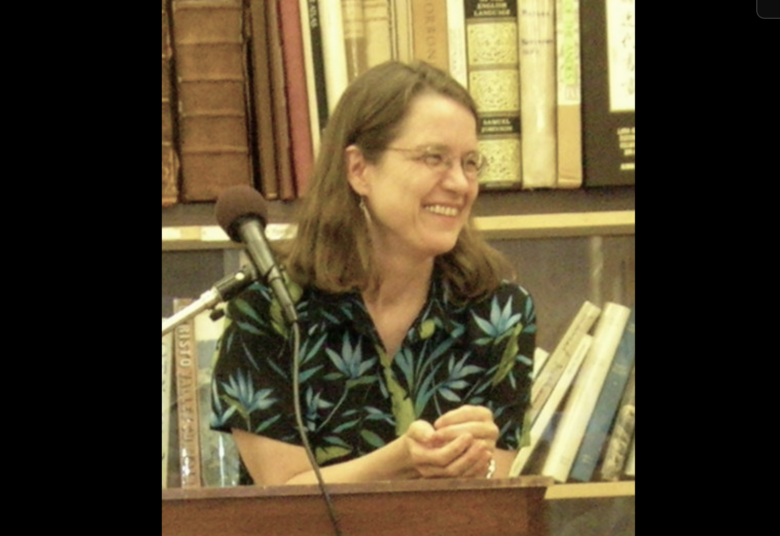
Betsy Wright of Ex Hex
The bassist has chronic rheumatoid arthritis requiring expensive medication. Rolling Stone reported that without ACA coverage, she couldn’t afford treatment and couldn’t tour. “I don’t know how I’m going to be able to do that — I don’t know how to get insurance without a full-time job.”
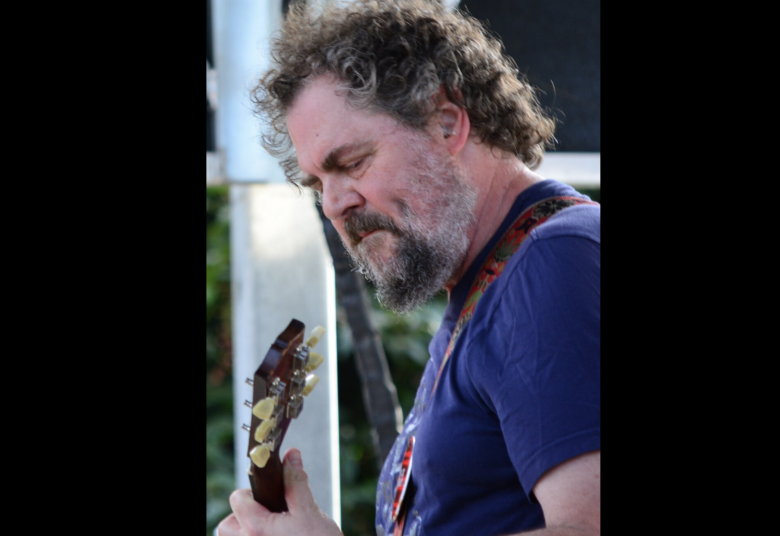
Patterson Hood of Drive-By Truckers
Rolling Stone reports Hood paying $2,000 a month for group insurance through the band’s LLC. His son requires a daily growth hormone shot costing thousands per month. “I’m lucky I’m gainfully employed,” he said. The implication being that most touring musicians are not.
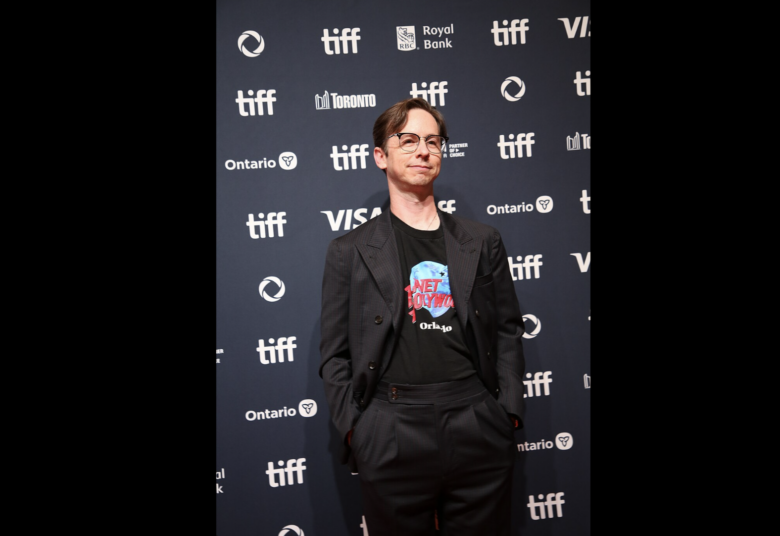
Dan Binaei of Racetraitor
Self-employed musician and psychotherapist. Billboard documents the ACA made both roles viable simultaneously. His Crohn’s disease is anxiety-related. Every news cycle about ACA threats produces a physical stress response in him.

Rod Stewart at 80
Billboard reported that Stewart canceled six June 2025 shows due to a flu recovery. At 80 with full management resources, he still couldn’t perform. The contrast with a working musician managing a chronic condition without adequate coverage while trying to maintain touring income is the whole story in one comparison.

The bottom line
The music industry has spent decades telling itself that touring is the answer to declining recorded music revenue. What it has not done is build the infrastructure that lets musicians tour without risking their health against their income.
Ask us! What questions do you have about content, strategy, pop culture, lifestyle, wellness, history or more? We may use your question in an upcoming article!
Related:
- 12 iconic rock songs that wouldn’t fly today
- The most controversial songs of the ’60s: Do you agree?
Like MediaFeed’s content? Be sure to follow us.
This article was syndicated by MediaFeed.co.