8 bizarre historical objects that archaeologists found but still can’t identify
Most artifacts eventually get explained. A little context, a comparable find elsewhere, and the mystery closes. Not always, though.
Researchers publishing in outlets ranging from Live Science to specialist archaeology sites have spent real careers on the objects below, and more than one of them has openly admitted defeat. These eight have resisted explanation for decades. Sometimes centuries. The eight below are what serious scholarship looks like when it genuinely runs out of answers.
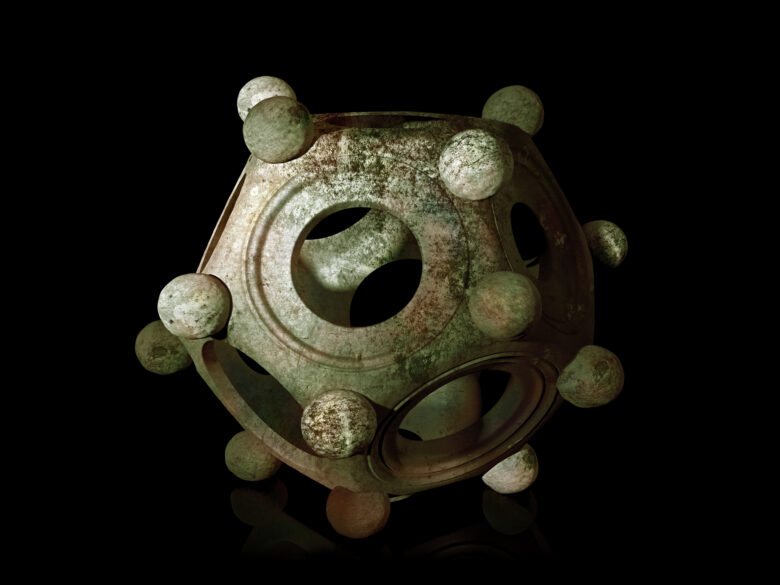
The Roman dodecahedra
Small. Hollow. Twelve sides, each one a pentagon with a hole punched through the center. More than 130 of these bronze objects have turned up across the old Roman Empire. There are over 50 competing theories about what they were for. Measuring devices. Religious amulets. Knitting tools, somehow. No Roman text mentions them even once.

The Baghdad Battery
A clay jar. A copper cylinder inside it. An iron rod. Dated somewhere between 250 BCE and 250 CE, and some researchers have floated the idea that it could have generated a mild electric charge if filled with something acidic. What that charge would’ve actually powered, though, nobody’s ever pinned down.
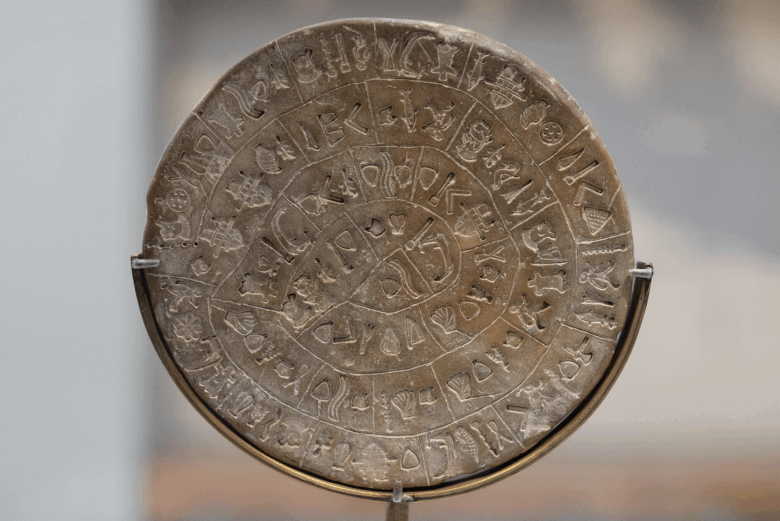
The Phaistos Disc
Fired clay. Bronze Age Crete. Stamped on both sides with a spiral of symbols nobody has ever cracked, and since no comparable text has ever turned up anywhere else, the script has never been decoded. Writing, code, something else entirely. Take your pick.
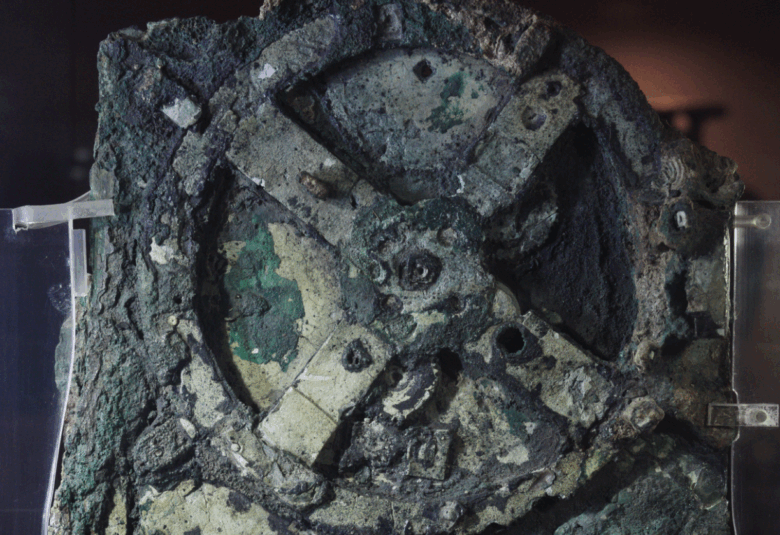
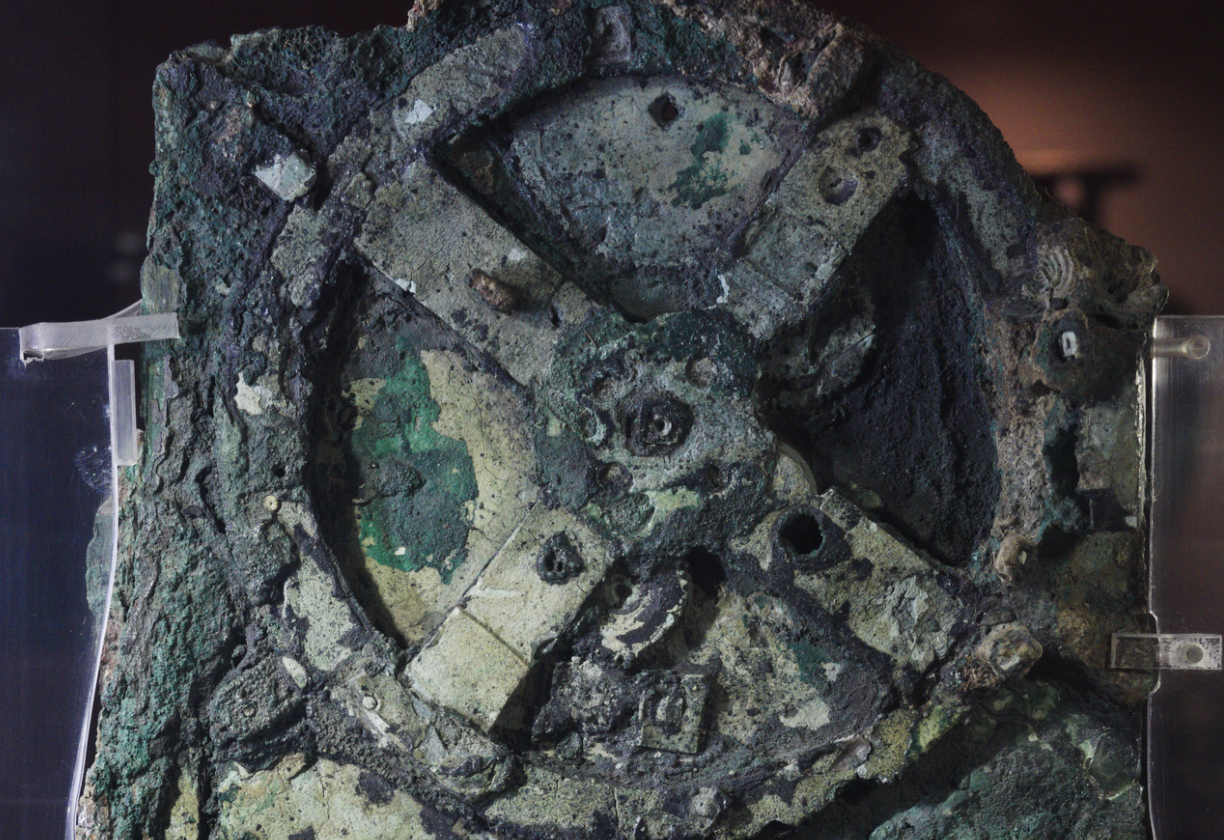
The Antikythera Mechanism
Pulled from a Greek shipwreck dating back to roughly 100 BCE. Bronze gears, interlocking, tracking eclipses and planetary movement with a precision nothing else matched for another thousand years. Modern imaging has largely decoded how it actually worked. Who built it, and why that engineering knowledge just vanished afterward? Still open.
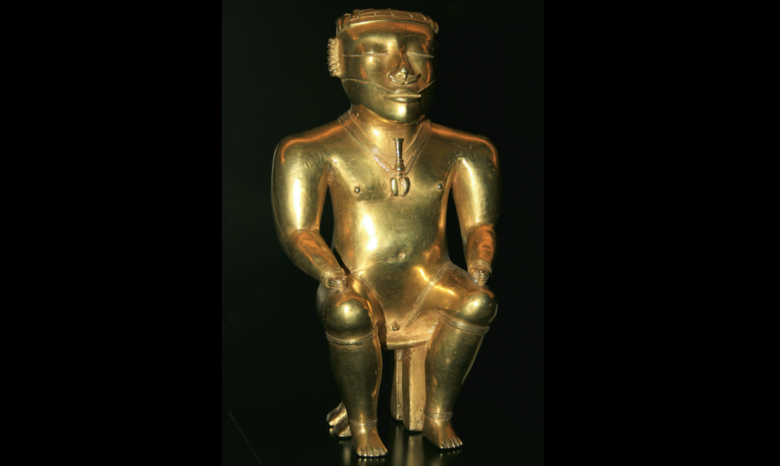
The Quimbaya gold figures
Small gold pieces from Colombia’s Quimbaya culture, dated between 500 BCE and 600 CE. They look a lot like modern aircraft, which is exactly why the internet loves them. The Gold Museum in Bogotá classifies them as stylized birds and insects, a far less exciting explanation than the one that tends to circulate online.
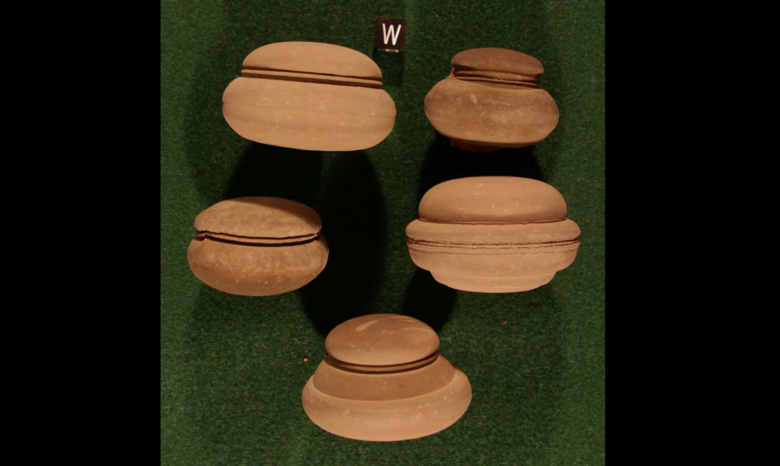
The Klerksdorp spheres
Small. Metallic-looking. Found embedded in South African rock estimated at nearly three billion years old. They’re not machined, actually. Naturally occurring hematite concretions, which hasn’t stopped decades of speculation about how something that symmetrical could form without a maker behind it.
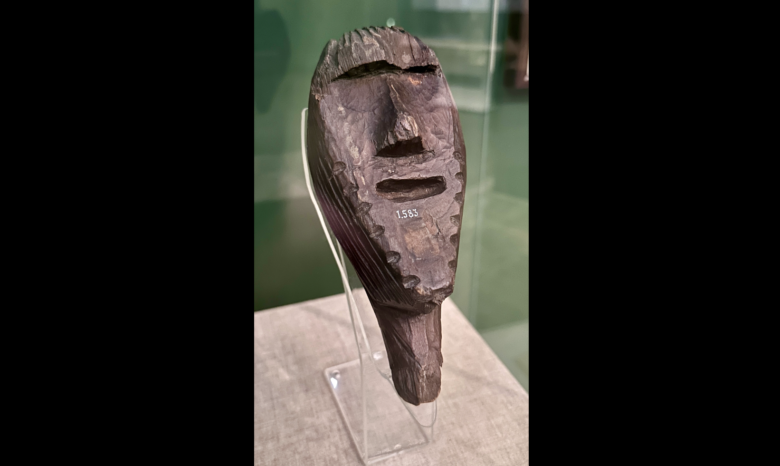
The Shigir Idol
The oldest known wooden sculpture on the planet. Carved roughly 11,000 years ago from a single larch log, somehow preserved in a Siberian peat bog all this time. Its surface is covered in chevrons, zigzags, and stacked faces that researchers all agree carried meaning. Nobody agrees on what that meaning actually was, though.
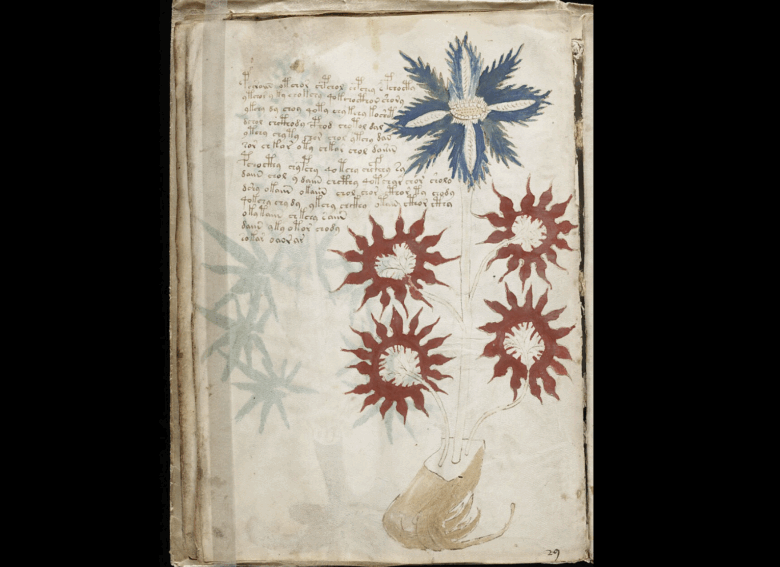
The Voynich Manuscript
Two hundred and forty pages. Fifteenth century. Written in a script nobody has ever cracked, illustrated with plants that don’t exist anywhere in nature. World War II codebreakers tried and failed. Every serious cryptographer since has fared no better.

The bottom line
What connects these eight isn’t a shortage of expertise thrown at them. It’s that some objects simply outlive the context that would explain them. And once that context is gone, no amount of careful study fully brings it back.
Ask us! What questions do you have about content, strategy, pop culture, lifestyle, wellness, history or more? We may use your question in an upcoming article!
Related:
- Historical “discoveries” that turned out to be elaborate hoaxes
- 11 creepy discoveries that archaeologists still can’t explain
Like MediaFeed’s content? Be sure to follow us.
This article was syndicated by MediaFeed.co.