10 Things Teachers Let You Do in the ’80s That Would Never Fly Today
School in the 1980s involved a surprising amount of freedom. Kids wandered the halls on errands, played on equipment that seemed designed to cause injuries, and occasionally watched movies that had very little to do with the lesson plan.
Of course, rules varied from school to school, and plenty of teachers were stricter than others. But for many ’80s kids, the school day included freedoms that would be far less common today. Here are 10 things teachers once let students do with remarkably little concern.

10. Leave Class to Run an Errand
Being chosen to take something to the office was practically a promotion.
A teacher might hand two students an attendance sheet, a note, or a mysterious envelope and send them wandering through the school unsupervised. The trip usually took much longer than necessary.
9. Play on Questionable Playground Equipment
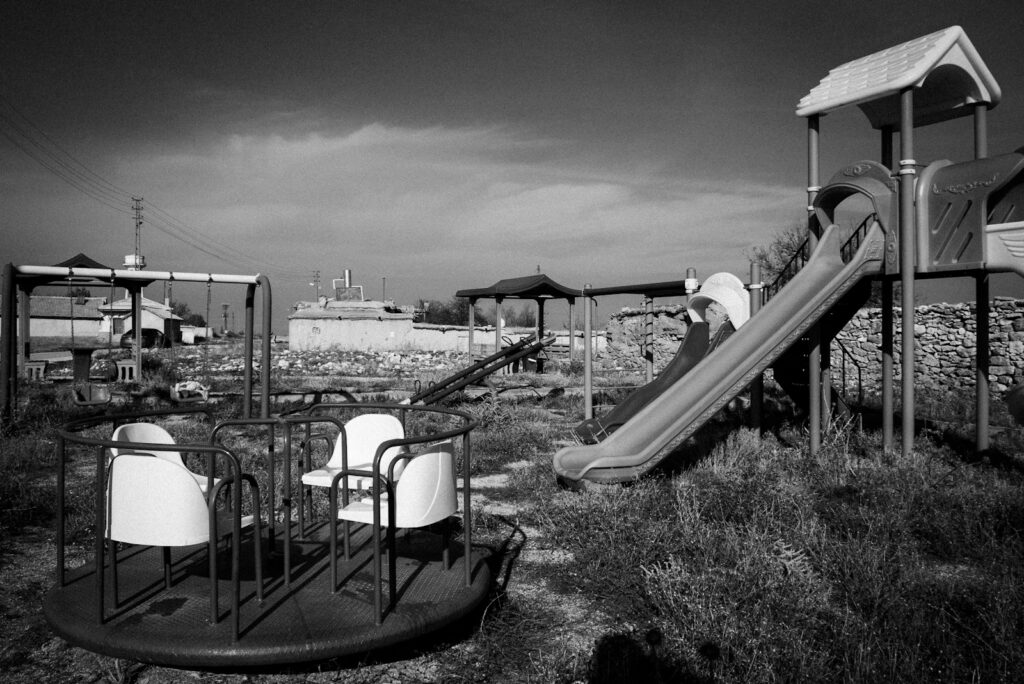
The playground equipment of the 1980s often seemed to have been designed by people who had never met a child.
Metal slides became scorching hot in the sun, merry-go-rounds rewarded whoever could hang on the longest, and climbing structures rose over surfaces that offered very little cushioning. Teachers mostly expected kids to use common sense.
8. Bring Homemade Food for the Entire Class
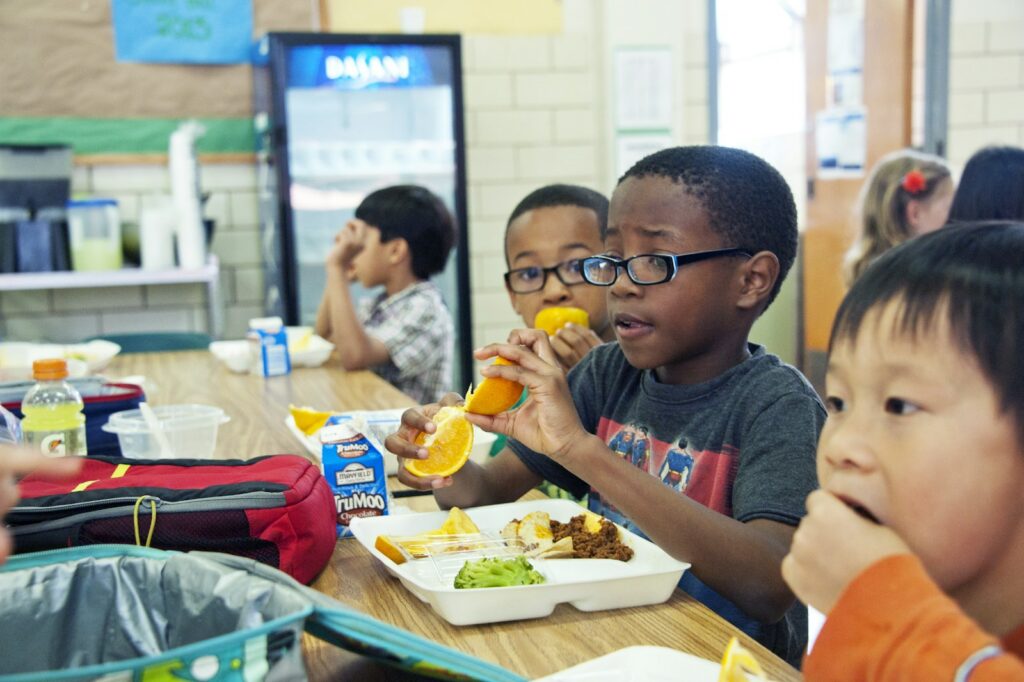
Birthdays meant cupcakes, cookies, or brownies prepared in someone’s home kitchen.
There were rarely ingredient labels attached, and food-allergy policies were far less visible than they are today. The main question was whether there were enough treats for everyone.

7. Watch Whatever Movie the Teacher Could Find
Sometimes a movie connected perfectly to the lesson. Sometimes it simply seemed to be the VHS tape available.
A substitute teacher, rainy afternoon, or end-of-semester lull could turn class into an unexpected movie day. The connection to the curriculum occasionally required imagination.
6. Handle the Classroom Animals
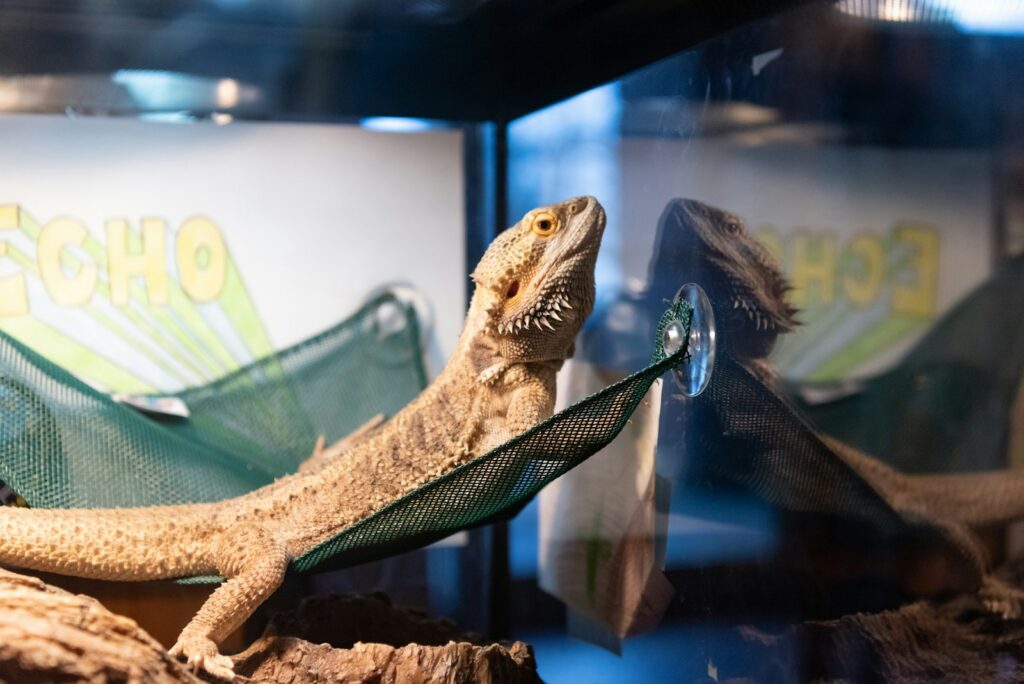
Classroom pets weren’t always admired from behind glass.
Students might hold the hamster, feed the rabbit, clean the cage, or volunteer to take an animal home for the weekend. The paperwork involved was often surprisingly minimal.
5. Go Outside Without Constant Supervision
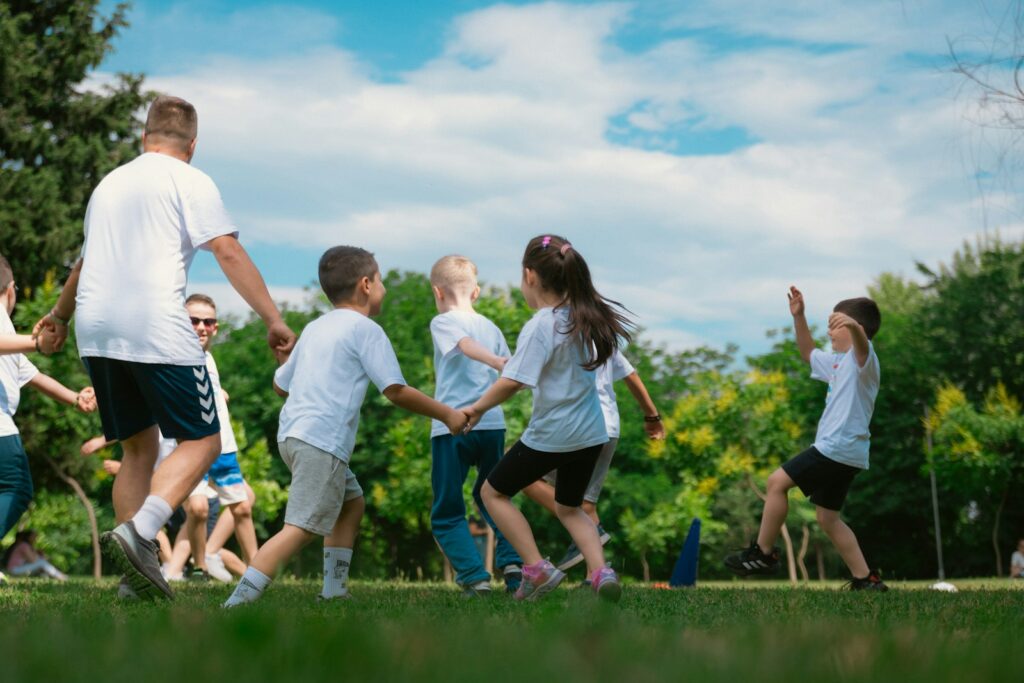
Recess could involve a level of independence that feels unusual today.
Kids spread across playgrounds and fields while a small number of adults watched from a distance. Unless someone was crying, bleeding, or standing somewhere they clearly shouldn’t be, play often continued without much intervention.
4. Use School Equipment That Could Actually Hurt You
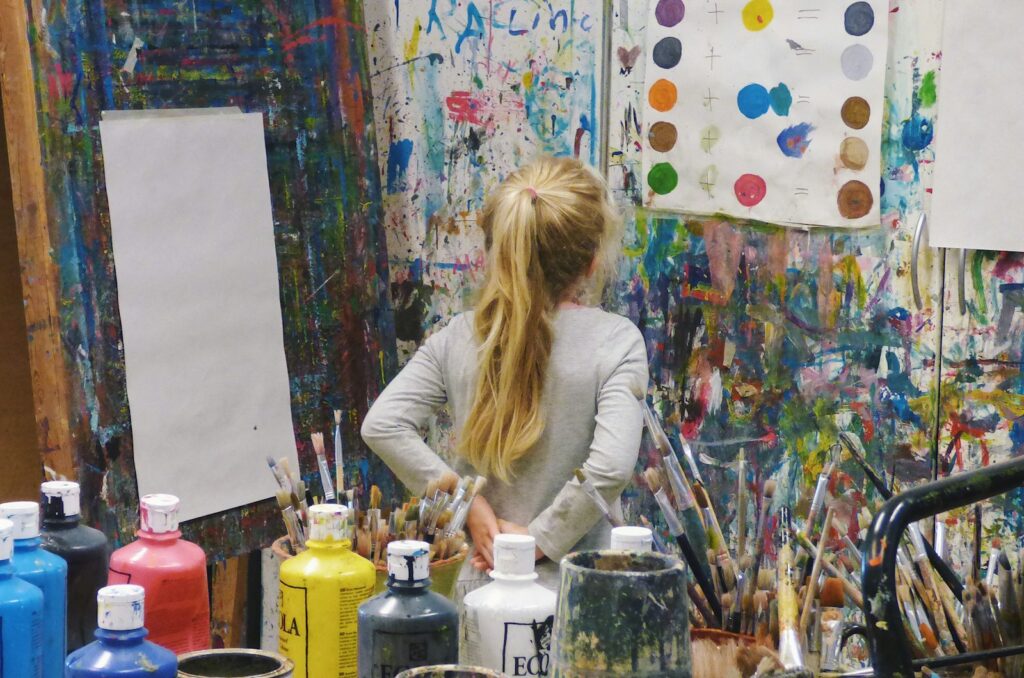
Shop class, science labs, and art rooms came with real tools and real consequences.
Students used saws, burners, sharp blades, and other equipment with instruction but often less protective gear than schools would require today. The underlying lesson was frequently some version of “pay attention.”
3. Leave School for Lunch
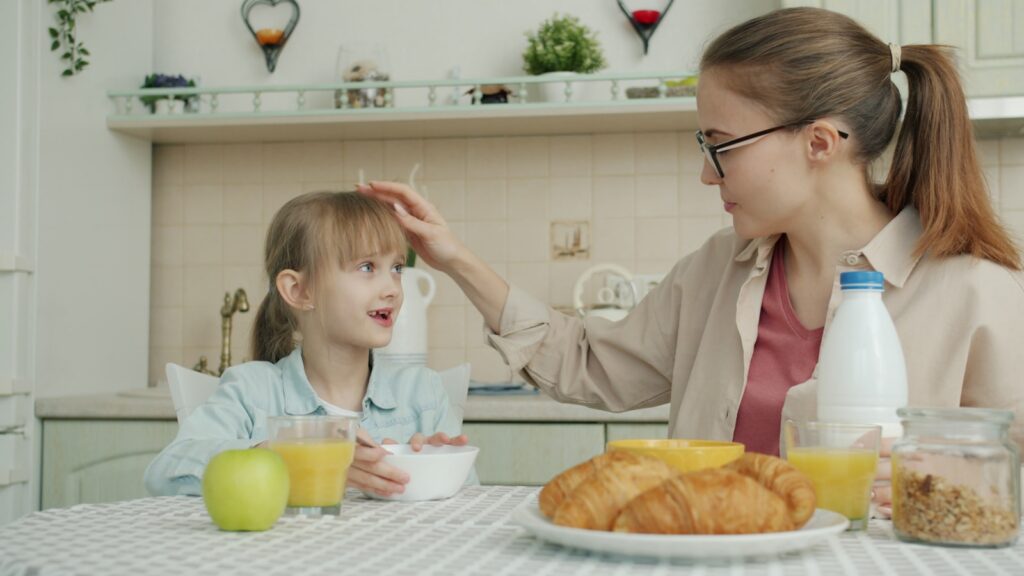
At some schools, especially for older students, lunch could mean leaving campus entirely.
Students walked to nearby restaurants, convenience stores, or home and were simply expected to return before the next bell. Today, many schools use much tighter rules about who can leave campus and when.
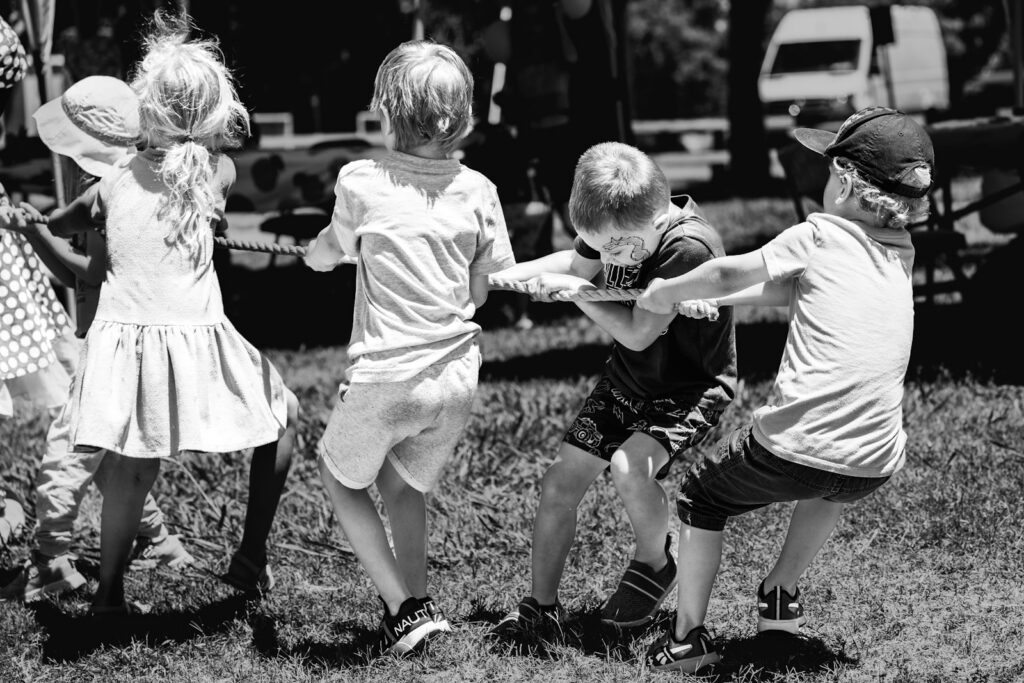
2. Settle Playground Arguments Themselves
Teachers didn’t intervene in every disagreement between students.
Kids were often expected to work out minor arguments, hurt feelings, and disputes over playground rules on their own. Sometimes that built independence. Other times, it simply meant the teacher didn’t hear about the problem until much later.
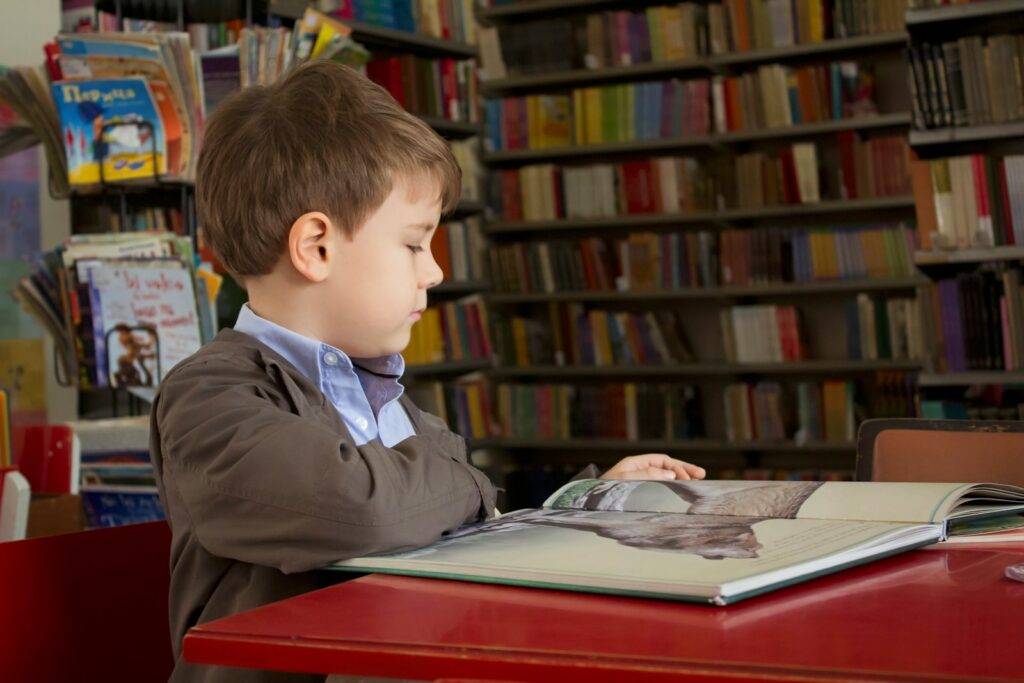
1. Disappear Into the Library for an Entire Class Period
Being sent to the library to research something could feel like being granted temporary independence.
Students searched card catalogs, wandered through the stacks, used encyclopedias, and somehow returned with enough information to complete the assignment. There were no browser histories, shared documents, or digital tools showing exactly what they had been doing the whole time.
Read More:
- 20 Totally Normal ’80s Habits That Would Cause Chaos Today
- 10 Sounds Every ’80s Kid Remembers
- 10 Things Every Elementary School Classroom Had in the 1980s
Ask us! What questions do you have about content, strategy, pop culture, lifestyle, wellness, history or more? We may use your question in an upcoming article!
Like MediaFeed’s content? Be sure to follow us.
This article originally appeared on Resourcebuzz and was syndicated by MediaFeed.co.