
9 Surprising Facts About Losing Your Sense of Smell
Our sense of smell often goes unnoticed until it disappears. Losing this critical sense can significantly affect a person’s quality of life and may even signal underlying health issues. The COVID-19 pandemic has brought unprecedented attention to loss of smell, sparking new research and awareness.
While some people regain their sense of smell, others face long-term challenges. Here are nine surprising facts about losing your sense of smell that you might not know.

9. Olfactory Disorders Are More Common Than You Think
Many people live with smell impairments such as hyposmia or anosmia.
Research estimates that up to 22% of the population experiences some form of smell loss, yet it remains underdiagnosed and often overlooked by healthcare professionals.

8. COVID-19 Highlighted the Importance of Smell
The pandemic brought smell loss to the forefront of medical research.
With millions experiencing smell loss due to COVID-19, scientists have gained a newfound appreciation for this sense and its ties to overall health.

7. Smell Loss Can Indicate Brain Health Issues
Smell is closely linked to brain regions responsible for emotion and memory.
Loss of smell can be an early indicator of neurological conditions such as Parkinson’s disease, highlighting the need for further investigation when this symptom arises.

6. The Forgotten Sense
Historically, the sense of smell has been undervalued in scientific research.
Despite its critical role in behavior and memory, olfaction was once dismissed as a “bestial sense,” but modern research is proving its significance.
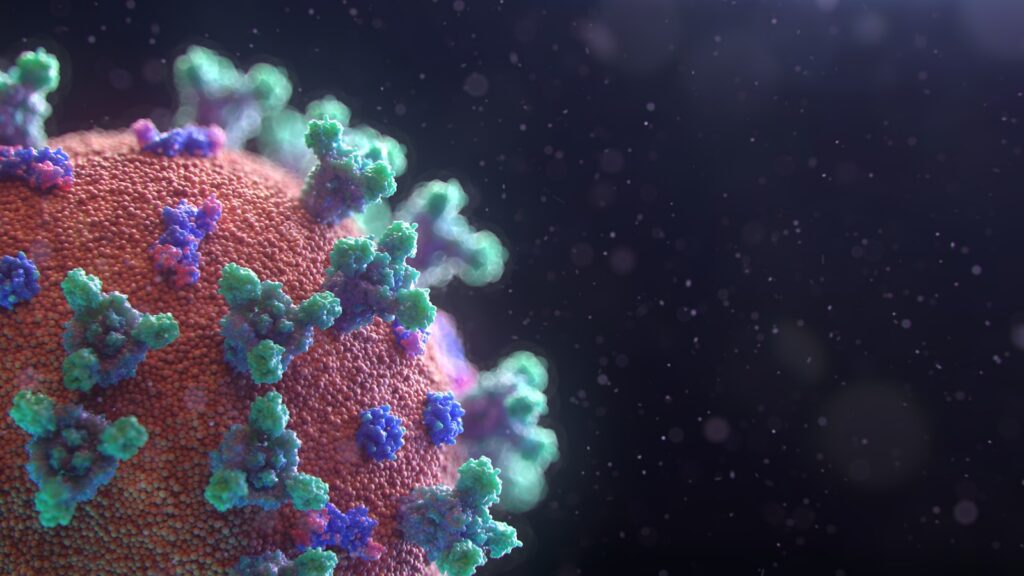
5. Viruses Can Attack Olfactory Support Cells
Viruses like the common cold can damage the cells that support olfactory neurons.
While these cells typically regenerate, some individuals experience prolonged or permanent smell loss due to severe damage.

4. Smell Loss Affects Emotional Well-being
The inability to smell can lead to feelings of isolation and depression.
As the sense of smell is tied to emotional memory, its loss can disrupt one’s connection to the world, affecting overall mental health.

3. Smell Loss Can Be a Harbinger of Disease
Smell loss isn’t just an inconvenience; it can indicate serious health issues.
For some, it may be an early sign of conditions like Parkinson’s disease, necessitating further medical evaluation.

2. Smell Enriches Our Lives
Smell is integral to our experiences, from savoring food to bonding with loved ones.
It plays a vital role in detecting environmental dangers and anchoring emotional memories, underscoring its importance in daily life.

1. The Olfactory System’s Complexity
The olfactory system is a complex network that detects and processes scents.
Olfactory neurons send signals to the brain’s emotional and memory centers, making smell a powerful sense that impacts behavior and cognition.
Read More:
- 11 Summer Perfumes That Feel Like Vacation
- 10 Reasons We Panic When We Google Health Symptoms
- 15 Health Mistakes Doctors See Every Day
Ask us! What questions do you have about content, strategy, pop culture, lifestyle, wellness, history or more? We may use your question in an upcoming article!
Like MediaFeed’s content? Be sure to follow us.
This article originally appeared on Resourcebuzz and was syndicated by MediaFeed.co.