
Things people believed about Halloween that turned out to be completely wrong
You’ve probably done at least one of these. Thrown out an unwrapped popcorn ball. Kept the cat inside from October 1. Told somebody witches were burned at Salem.
Each of those rests on something untrue. Or isn’t what we think.
Six beliefs follow, with what the records and historians actually show. Where a myth has a kernel of truth, we say so.
Razor blades in the apples
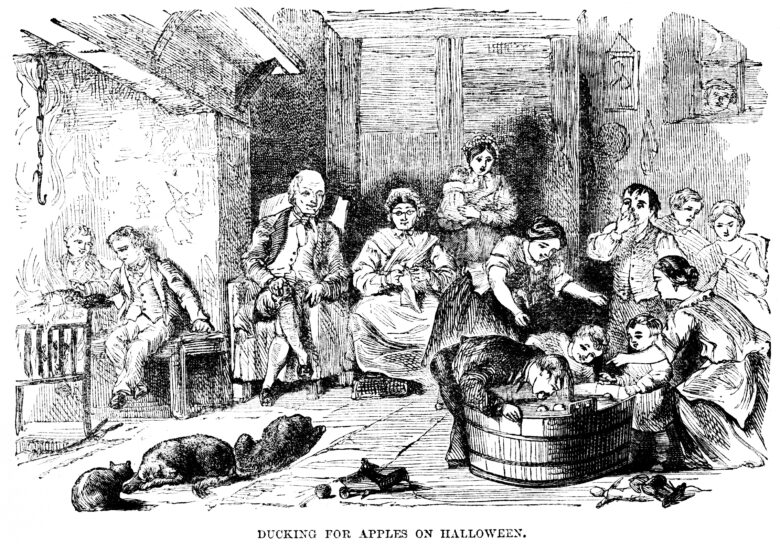
In 1982, New Jersey made it a crime to tamper with Halloween candy. In 1983, Ann Landers warned of “twisted strangers.” Hospitals opened X-ray lines, per The Conversation.
One hospital in Moses Lake, Washington, had families dump their candy on a cafeteria tray and watch it roll through the machine, KNKX reported.
Sociologist Joel Best looked at 25 years of reports and found no stranger who’d killed a child with Halloween candy. Radiologists admitted the machines couldn’t detect poison anyway.

The druid party that wasn’t
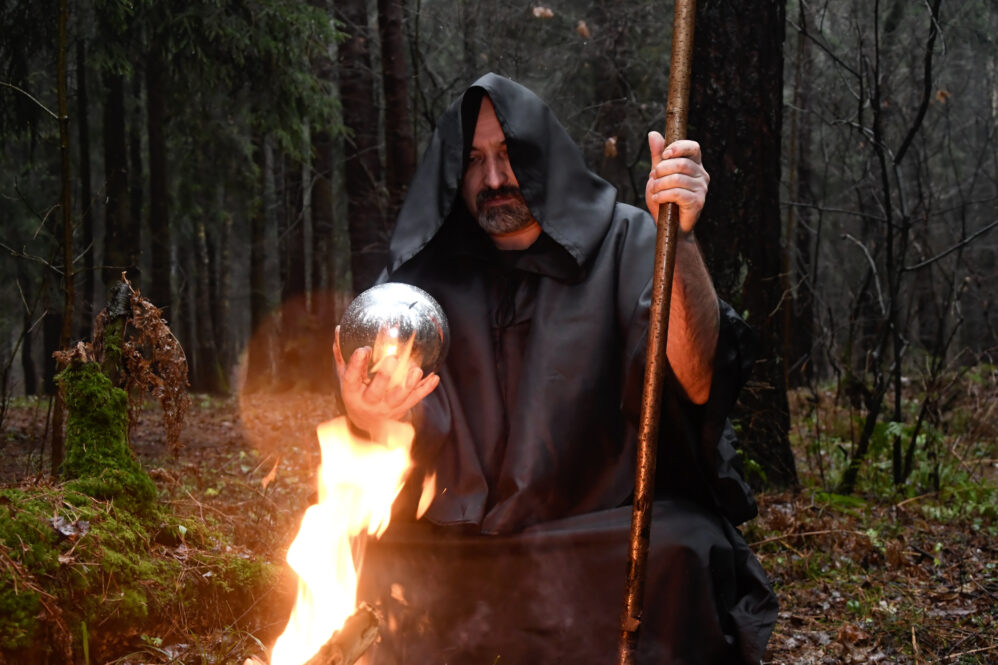
The claim: Halloween is an ancient Celtic festival of the dead, complete with sacrifices. Samhain was real. It was a festival in medieval Ireland.
But churchmen wrote the stories describing it around 800 A.D., about 400 years after the Irish began turning Christian. As a historian of Ireland put it in The Conversation, “Samhain is Irish. Halloween isn’t.” The medieval tales put bonfires at Beltaine, not Samhain.
Historian Ronald Hutton found no evidence linking Samhain to the dead, or to the start of the year. Hutton argued in 2024 that the idea comes from two Victorian scholars, John Rhys and James Frazer.
A cat in danger
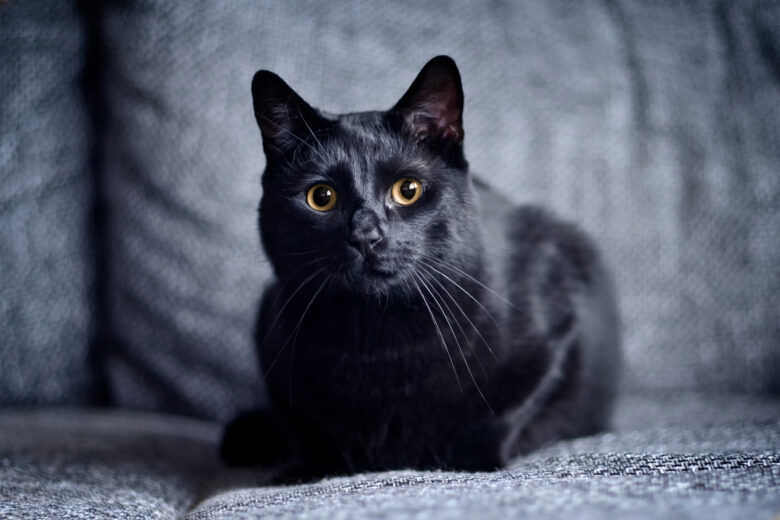
Starting in the 1990s, many shelters stopped adopting out black cats in October, fearing rituals and pranks. By 2003, some were dropping the ban. A Maryland shelter director said he didn’t believe in a restriction if a family wanted to adopt in October instead of March, Capital News Service reported.
The ASPCA and the Humane Society of the United States say there’s no evidence black cats face extra risk at Halloween. A Humane Society official said that if rituals really happened, a good adoption process would weed them out.
The witches of Salem, in flames
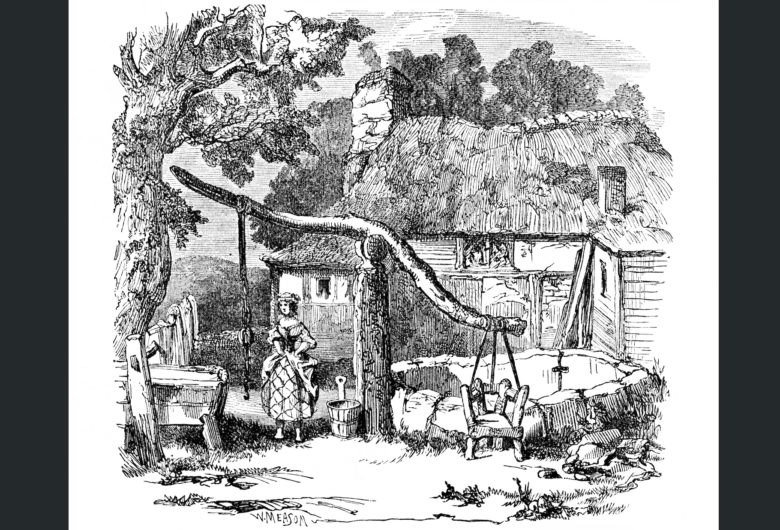
Nobody burned in Salem. Bridget Bishop was hanged on June 10, 1692. Nineteen were hanged in all. Giles Corey, 71, was pressed to death with heavy stones for refusing to enter a plea, the Salem Witch Museum records.
The “burned at the stake” image is stronger, so it stuck, one debunking says. And Bridget Bishop’s name was officially cleared on October 31, 2001. Halloween.

The real threat is a car
People worry about strangers. The data points to traffic. A study in JAMA Pediatrics used 42 years of federal data and found pedestrian deaths were 43 percent more likely on Halloween than on the same evening a week earlier and a week later. For children aged 4 to 8, the risk was ten times higher.
The average Halloween brought four additional pedestrian deaths, peaking near 6 p.m., at dusk. Lead researcher Dr. John Staples said masks, dark costumes, and excitement might make the streets more dangerous, UBC reported.

Martians in New Jersey
On the night of October 30, 1938, the night before Halloween, Orson Welles’s radio drama “The War of the Worlds” sparked a nationwide panic. Next morning, Welles, 23, was the most talked-about man in America.
But a ratings survey found that only about 2 percent of listeners were tuned in. Media historians say the panic was largely a newspaper creation, Snopes summarized. The New York Times had run a front-page headline calling it “Radio Listeners in Panic.”
The bottom line
A 1985 study found no stranger had killed a child with Halloween candy. The average Halloween brings four extra pedestrian deaths.
Ask us! What questions do you have about content, strategy, pop culture, lifestyle, wellness, history or more? We may use your question in an upcoming article!
Related:
- Your cozy (or spooky!) Halloween movie, according to your horoscope
- Halloween hauntings at famous movie sets
Like MediaFeed’s content? Be sure to follow us.
This article was syndicated by MediaFeed.co.



