
10 Things to Know Before You Invest in Gold
Gold has long been regarded as a reliable store of value, attracting investors especially during times of economic uncertainty. Recently, its price dipped below $4,000 per ounce, prompting discussions about its potential as an investment. While some see this as an opportunity, others urge caution due to various economic factors at play.
Before you decide to invest in gold, it’s important to understand the current market dynamics and historical context. Here are 10 things you should know before taking the plunge.

10. Gold’s Historical Value
Gold has been a form of currency for centuries, maintaining its value over long periods. This historical stability makes it a popular choice for those seeking a safe haven.
While the gold standard is no longer in use, gold is often viewed as a hedge against inflation and a protective asset during periods of economic uncertainty.
9. Recent Price Fluctuations
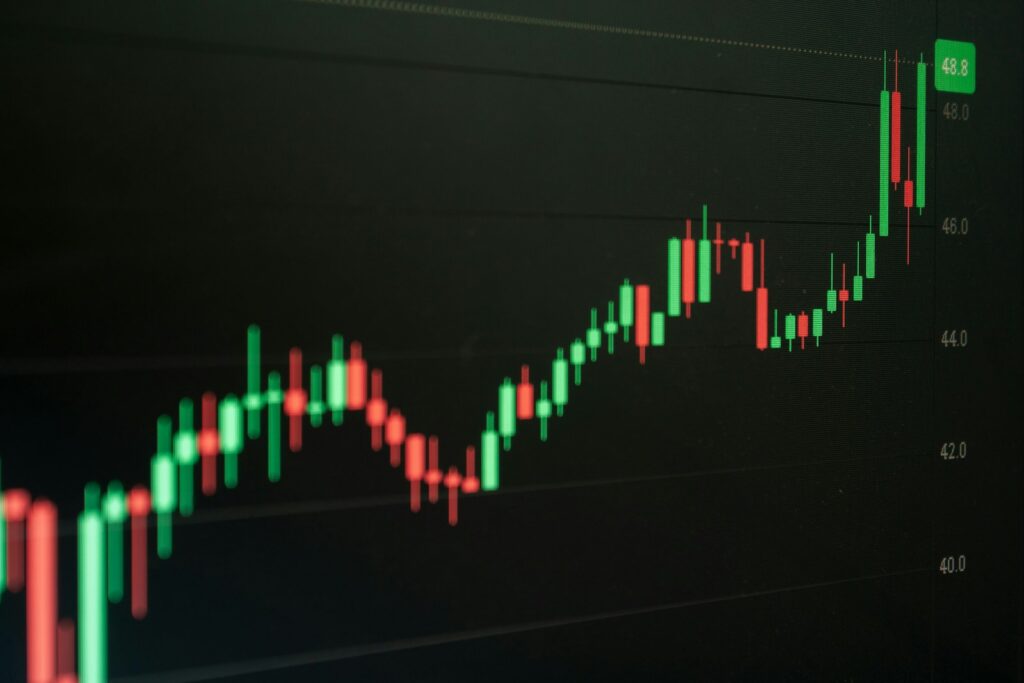
Gold’s price recently dropped by 27%, falling below $4,000 per ounce. This decline followed a record high earlier this year, driven by political and economic factors.
Investors should be aware of the volatility in gold prices, which can be influenced by changes in government policies and global economic conditions.

8. Economic Tailwinds and Headwinds
Gold benefited from economic tailwinds such as heightened political uncertainty and increased government spending, which drove its price up last year.
However, potential headwinds like rising interest rates could dampen future returns, as tighter financial conditions generally weigh on gold prices.

7. The Role of Inflation
Gold often acts as a hedge against inflation, as its value tends to increase when paper currencies lose purchasing power.
With the U.S. facing potential inflationary pressures, gold may provide a safeguard for preserving wealth over time.
6. Investing in Physical Gold vs. ETFs
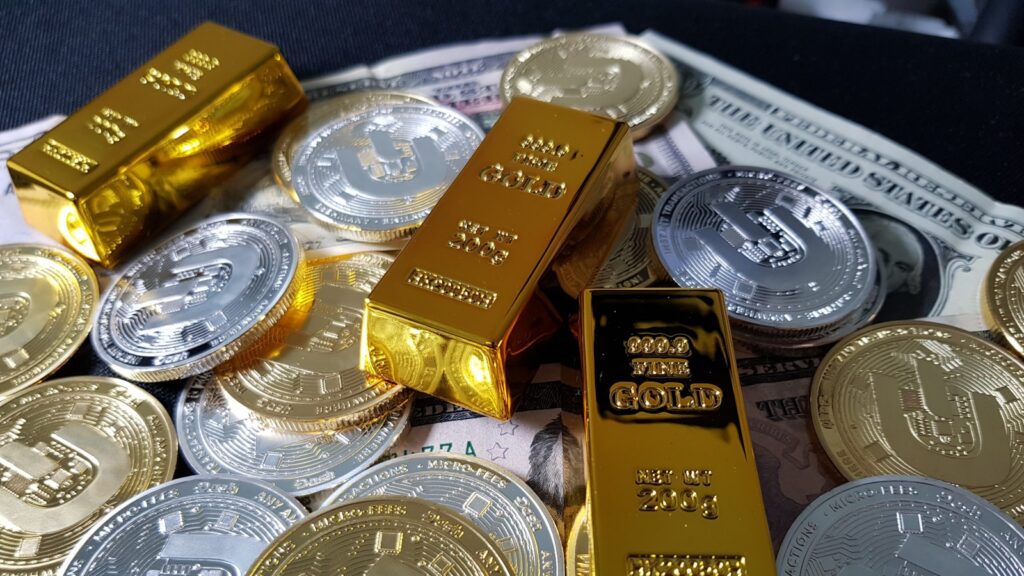
Investors can choose between buying physical gold or investing in gold ETFs like the SPDR Gold Trust. Each option has its pros and cons.
Physical gold requires storage and insurance, while ETFs offer convenience and liquidity, allowing for quick transactions on trading platforms.

5. Gold’s Lack of Internal Growth
Unlike stocks, gold does not generate revenue or earnings, meaning it lacks the capacity for internal growth.
Investors should consider this when allocating assets, as other investments like stocks may offer higher returns due to their growth potential.

4. Diversification Benefits
Gold can serve as a key component in a diversified portfolio, providing stability during market volatility.
Experts often recommend that gold make up 5% to 15% of total assets, ensuring some exposure to this safe-haven investment.

3. The Impact of Interest Rates
Rising interest rates can negatively impact gold prices, as they lead to a stronger dollar and reduced inflation expectations.
Investors should monitor Federal Reserve policies, as rate hikes could influence gold’s attractiveness compared to other investments.

2. Storage and Insurance Costs
Owning physical gold comes with additional costs, such as storage and insurance, which can affect overall returns.
These costs should be factored into your investment decision, as they may offset some of the benefits of holding physical gold.

1. Managing Expectations
Gold’s remarkable 64% rise last year is not typical, as it has historically returned an average of 7.2% per year.
Investors should set realistic expectations for gold’s performance, considering its role as a stabilizing asset rather than a high-growth investment.
Read More:
- 10 Common Investing Fears (And Whether They’re Actually Valid)
- The 10 Best (and Worst) Things to Invest In If You Hate Risk
- The 10 Most Overhyped Investment Strategies
Ask us! What questions do you have about content, strategy, pop culture, lifestyle, wellness, history or more? We may use your question in an upcoming article!
Like MediaFeed’s content? Be sure to follow us.
This article originally appeared on Resourcebuzz and was syndicated by MediaFeed.co.