
Sparklers & lawn chairs: Nostalgic July 4 staples that bring us back to childhood
Some memories don’t require photographs. The smell of a sparkler burning is its own kind of filing system; the sulfur and the smoke and the particular quality of light it threw on the faces around you in the dark. The lawn chair. The cooler. The sound of the neighborhood before the big display started. These are not exactly objects or events; they are the texture of a specific kind of American summer evening that people who grew up with it carry without knowing they’re carrying it.
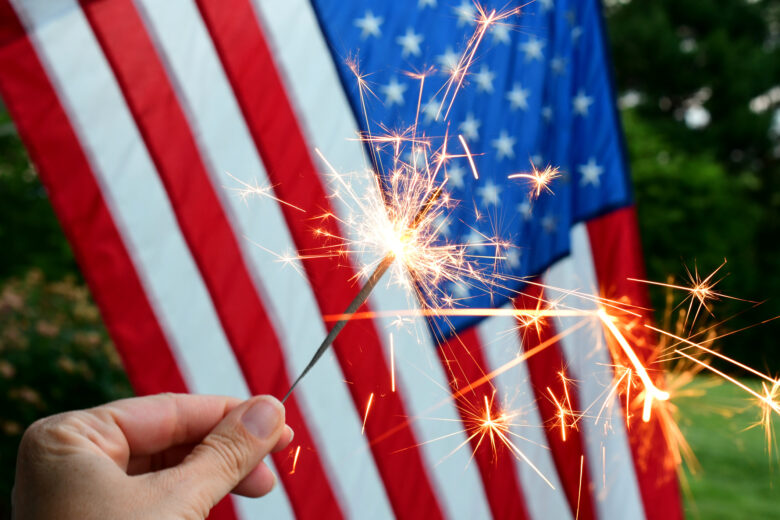
The sparkler
Technically a handheld firework. Practically a rite of passage. The sparkler burns at around 1800 degrees Fahrenheit, which is a number nobody mentioned when you were seven years old, waving one in a figure-eight while your parents stood a few feet away, holding their breath. Mental Floss traces the fireworks tradition to the first Fourth of July celebration in Philadelphia in 1777. The sparkler is the civilian version of that tradition, the one that costs three dollars and produces a memory that shows up unbidden forty years later.

The lawn chair
Not a deck chair. Not a patio chair. The specific folding aluminum-frame lawn chair with the woven plastic strapping that left a waffle pattern on the back of your thighs. It became the default seating arrangement for every outdoor American gathering from 1955 until roughly the introduction of the camp chair in the 1990s. Smithsonian documents the lawn chair as a fixture of July 4 traditions across the country. You set it up. You put a drink in the cupholder. You waited for dark.
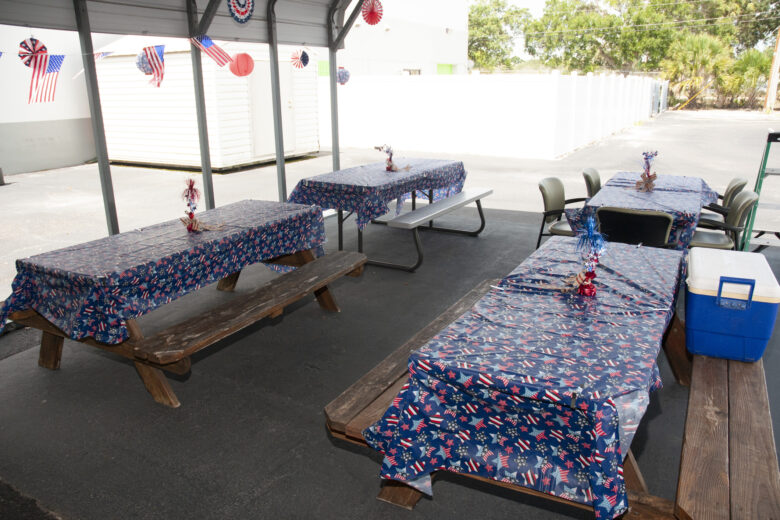
The cooler
Someone was always responsible for the cooler. That person arrived early, filled it with ice, and spent the next three hours telling people to stop leaving the lid open. The drinks at the bottom got the coldest. The ones on top were merely cool. Mental Floss notes July 4 gatherings have always been communal events first and patriotic demonstrations second. The cooler was the center. Everything else radiated outward from it.

The wait for dark
Between the food and the fireworks there was always a gap. An hour, sometimes two, when the sky wasn’t quite dark enough but the anticipation had already arrived. Adults talked. Children ran. Someone’s uncle produced a box of fireworks from the trunk of a car. The Smithsonian notes that the early-1900s Safe and Sane movement sought to eliminate exactly this window of unsupervised consumer pyrotechnics. The movement largely failed. The gap remained.

The moment something went sideways
Every gathering of sufficient size produced at least one moment when something went wrong in a way that wasn’t dangerous enough to require intervention but memorable enough to be discussed for years. The firework that tipped over and shot horizontally across the lawn. The Roman candle that refused to stop. Mental Floss documents the extraordinary variety of ways Americans celebrate their independence. The most universal tradition is this one, because it happens everywhere, every year, and nobody ever sees it coming.
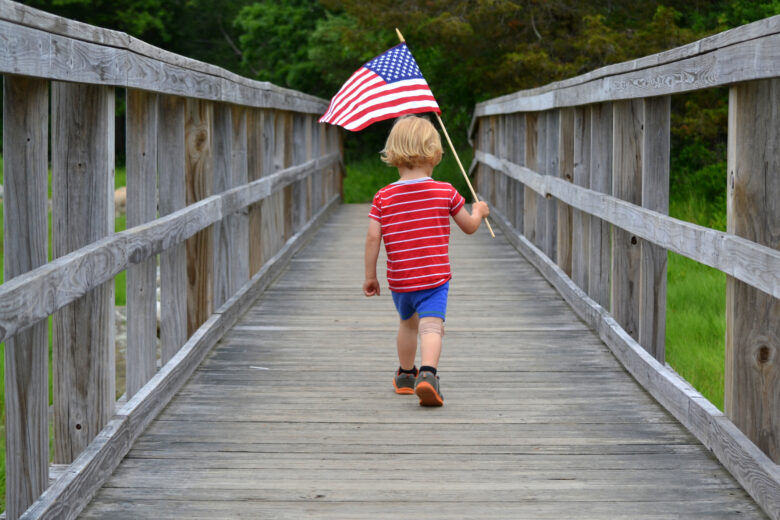
The drive home
The fireworks ended. Someone folded the chairs. The cooler was drained. Children fell asleep in back seats. The roads were slow, but nobody minded because the windows were down and the air had finally cooled. Mental Floss traces the fireworks tradition back 248 years. The drive home is not in the historical record. It is in everyone who has taken it.

The bottom line
The objects that define a July 4 childhood are not the grand ones. The ones that stay are the small ones; the sparkler’s particular light, the lawn chair’s specific discomfort, the cooler someone forgot to close. Nostalgia is not about the event. It is about the texture of the surrounding time.
Ask us! What questions do you have about content, strategy, pop culture, lifestyle, wellness, history or more? We may use your question in an upcoming article!
Related:
- 10 budget-friendly ideas for a star-spangled July 4th bash
- Slang words from 1776 to brush off this July 4
Like MediaFeed’s content? Be sure to follow us.
This article was syndicated by MediaFeed.co.