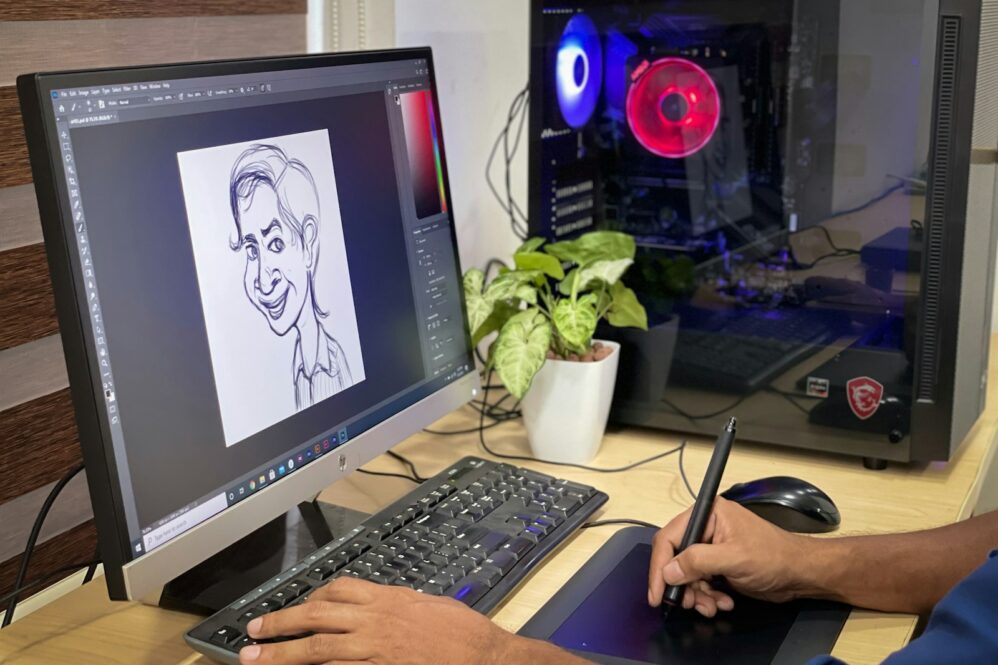
10 Creative Careers You Can Pursue Without a Degree
For decades, creative careers were often tied to expensive art schools and four-year college programs. Today, that’s no longer the case. Thanks to online learning, bootcamps, trade schools, certifications, and self-directed portfolios, talented creatives have more pathways into the industry than ever before.
In many creative fields, employers care less about where you studied and more about what you can actually create. A strong portfolio often opens more doors than a diploma. Here are 10 creative careers where skills, experience, and creativity matter most.

10. Graphic Designer
Graphic designers create logos, advertisements, social media graphics, packaging, websites, and brand materials.
Many designers launch their careers through bootcamps, online courses, trade school programs, or self-taught portfolios rather than traditional degrees. Learning industry-standard tools like Adobe Photoshop, Illustrator, and InDesign can help you build marketable skills quickly.
Training Time: 6–12 months
Typical Salary: $50,000–$75,000+

9. Video Editor
Every business, brand, and content creator seems to need video content these days.
Video editors transform raw footage into polished content for YouTube, social media, television, marketing campaigns, and streaming platforms. Strong editing skills and a solid portfolio often matter more than formal education.
Training Time: 6–12 months
Typical Salary: $50,000–$80,000+

8. Photographer
Photography remains one of the most accessible creative careers.
Whether you specialize in portraits, weddings, commercial products, real estate, travel, or events, clients care about the quality of your work. Many successful photographers build businesses through experience, apprenticeships, and portfolio development rather than college degrees.
Training Time: Varies; often 6–12 months to develop a professional portfolio
Typical Salary: $40,000–$80,000+, depending on specialization

7. Web Designer
Web designers blend creativity and technology to build attractive, user-friendly websites.
Many enter the field through coding bootcamps, online certifications, or self-directed learning. Businesses of every size need websites, making this a versatile and consistently in-demand skill.
Training Time: 6–12 months
Typical Salary: $60,000–$90,000+

6. Social Media Manager
Social media management combines content creation, strategy, branding, analytics, and marketing.
Many employers hire based on demonstrated results rather than educational credentials. If you can grow audiences, create engaging content, and understand platform trends, opportunities abound.
Training Time: 3–6 months
Typical Salary: $50,000–$85,000+
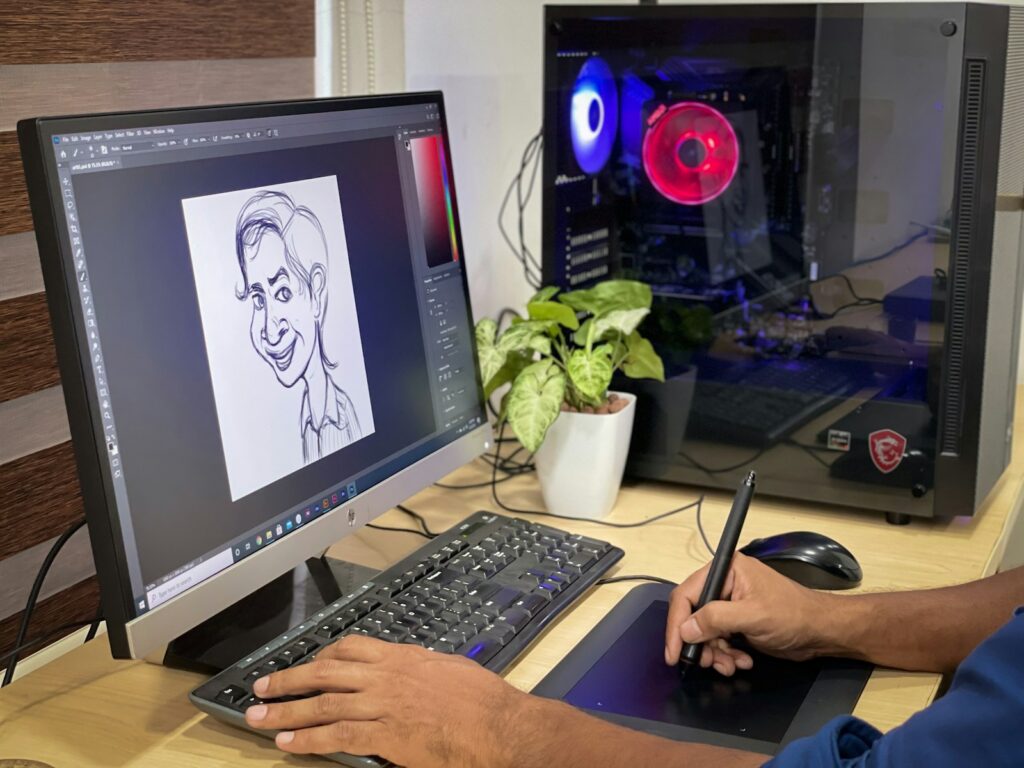
5. Digital Illustrator
Digital illustrators create artwork for books, games, advertising campaigns, websites, merchandise, and entertainment projects.
Artists who develop strong portfolios and master tools like Procreate, Photoshop, and Illustrator can find work as freelancers or full-time creators without ever earning a formal degree.
Training Time: 6–12 months
Typical Salary: $45,000–$80,000+

4. UX/UI Designer
User experience (UX) and user interface (UI) designers help shape how people interact with websites, apps, and software.
This field has become one of the most popular alternatives to traditional design degrees because employers often prioritize portfolios and practical skills over formal credentials.
Training Time: 6–12 months through a bootcamp or certification program
Typical Salary: $80,000–$120,000+

3. Animator
Animation careers span movies, television, advertising, video games, and digital media.
Many animators learn through specialized training programs, online courses, and portfolio development. Strong technical skills and artistic ability are often far more important than a traditional degree.
Training Time: 12–18 months
Typical Salary: $60,000–$100,000+

2. Content Creator
YouTube channels, podcasts, newsletters, TikTok accounts, and other creator businesses have become legitimate career paths.
Success requires creativity, consistency, storytelling ability, and audience-building skills. While income can vary significantly, many creators build thriving businesses without any formal education in media.
Training Time: Self-paced
Typical Salary: Highly variable, from side income to six figures and beyond
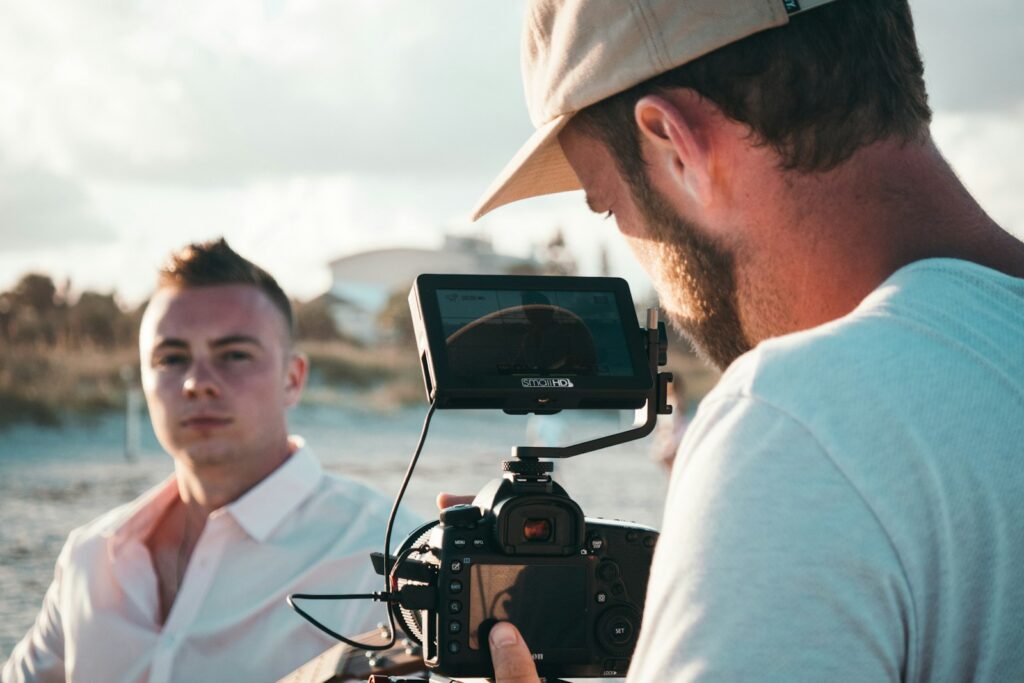
1. Creative Director (Through Experience)
While many creative directors eventually earn degrees, it’s entirely possible to work your way into leadership through experience and portfolio growth.
Creative directors oversee branding, advertising campaigns, content strategies, visual identity systems, and creative teams. Many begin as designers, writers, editors, photographers, or marketers and advance through demonstrated talent and leadership.
Training Time: Several years of experience
Typical Salary: $100,000–$200,000+
The creative world rewards results. While education can be valuable, many employers ultimately care more about what you can produce than where you learned to do it. With the rise of bootcamps, certifications, online learning, and portfolio-based hiring, creative careers are more accessible than ever for people willing to develop their skills and showcase their work.
Read More:
- Why Gen Z Is Frustrating Employers (And Changing Work Forever)
- 13 Tech Skills Employers Can’t Get Enough Of
- Is the Five-Day Work Week Becoming Obsolete?
Ask us! What questions do you have about content, strategy, pop culture, lifestyle, wellness, history or more? We may use your question in an upcoming article!
Like MediaFeed’s content? Be sure to follow us.
This article originally appeared on Resourcebuzz and was syndicated by MediaFeed.co.