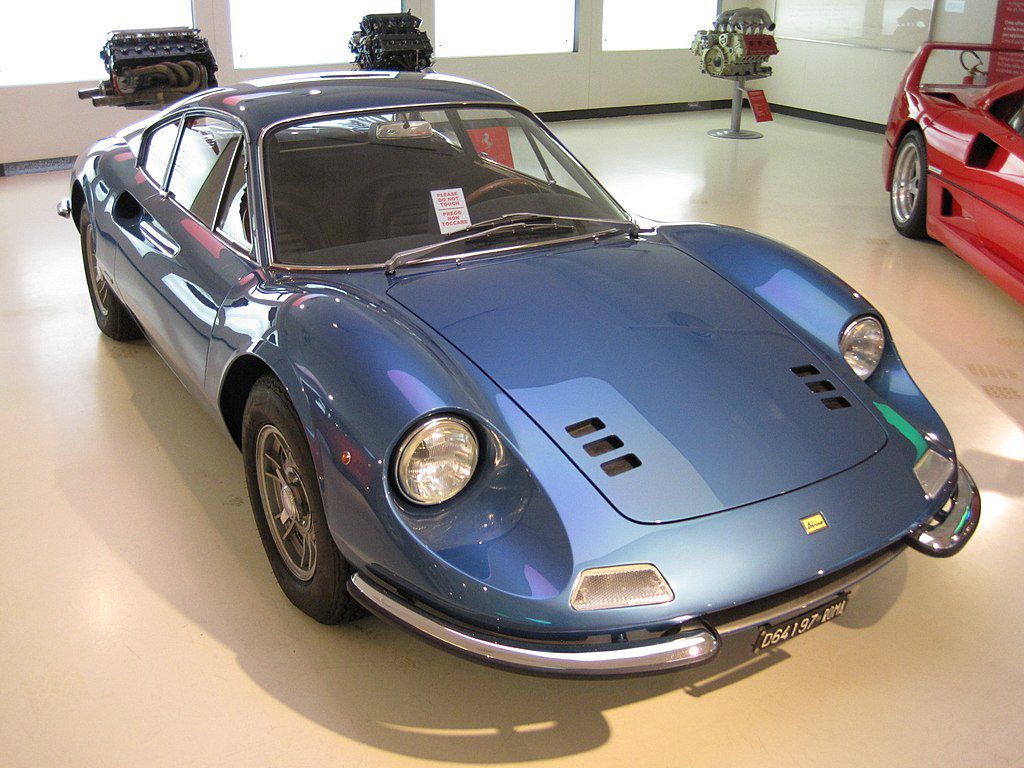
10 classic cars from the ’70s we still love but cost a fortune to insure today
Classic cars from the 1970s occupy a strange place in the collector market. The decade gets dismissed by purists (in terms of emissions regulations, fuel costs, smog equipment), and yet the cars it produced have been steadily climbing in value for years, which means insuring them has become a serious financial conversation. As Hagerty documents, classic car insurance is written on an agreed value basis, meaning owners insure for what the car is actually worth today, not what it cost in 1974.
The insurance picture is explained in full by Hagerty, insure.com and autoinsurance.com.
Ten of them, below.
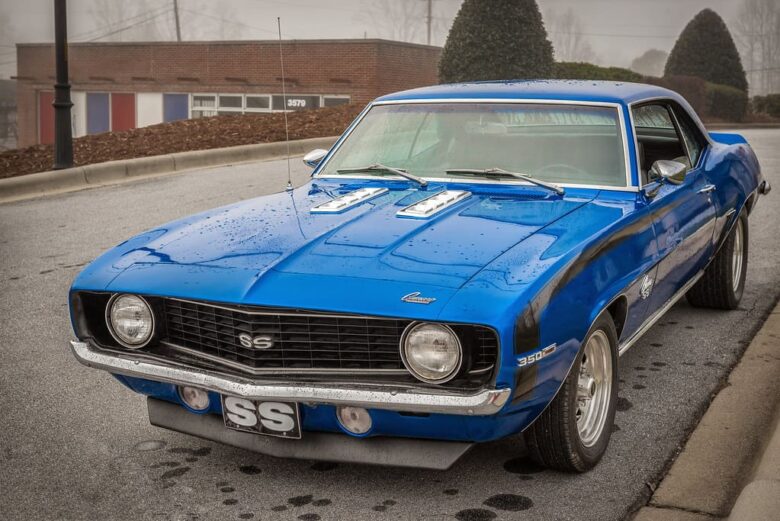
1970 Chevrolet Camaro Z28
The Z28 was the performance package that turned a pretty car into something genuinely fast, and the market has noticed. Hagerty puts this car well into five figures. Parts are expensive, the restorers who know the car are expensive and the insurance reflects all of that.
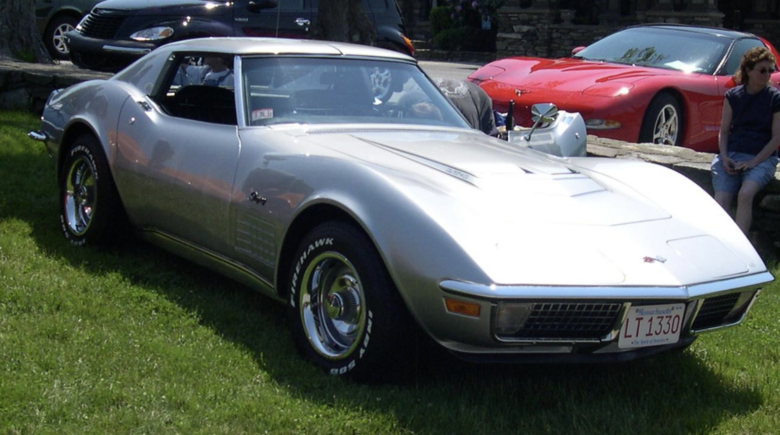
1970 Chevrolet Corvette Stingray LT1
The last of the high-compression Corvettes before emissions regulations changed everything. Hagerty covers the LT1 variants extensively, noting they sit at the top of the value range for the C3 generation. A numbers-matching example commands serious money today and the agreed-value policy that correctly covers it commands a serious premium to match.
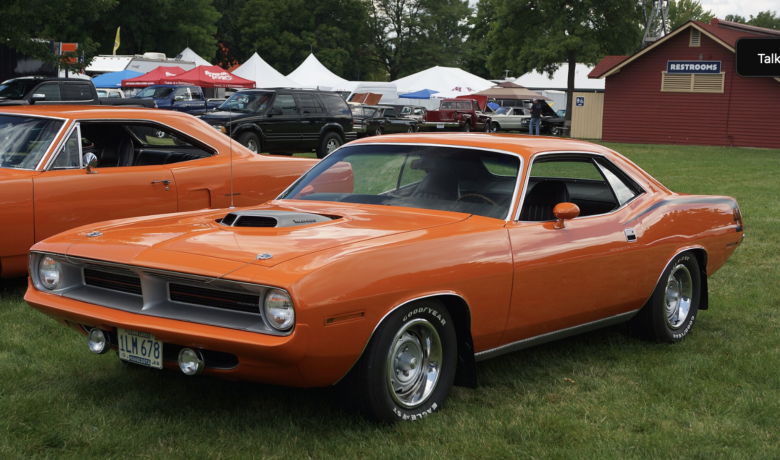
1970 Plymouth Hemi ‘Cuda
Only eleven convertible Hemi ‘Cudas were produced in 1970. autoinsurance.com documents how rarity drives agreed values into territory that puts these among the most expensive classic vehicles to insure in America. Most owners never drive them. The insurance premium doesn’t care.
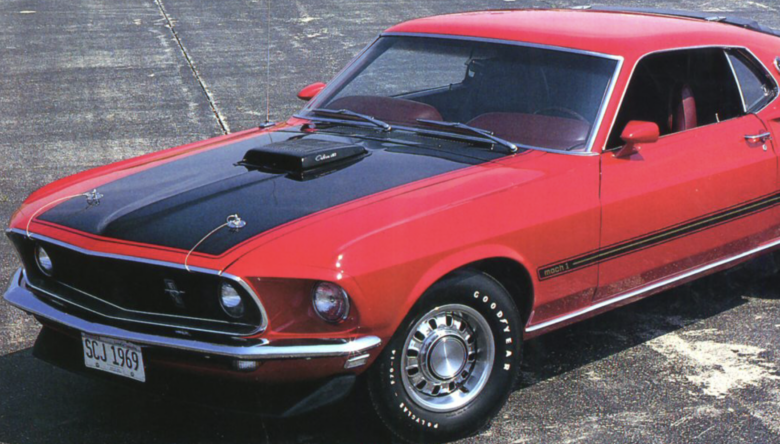
1971 Ford Mustang Mach 1
The Mach 1 bridged the muscle car era and marked the beginning of the end. Hagerty tracks the market carefully, noting that clean examples with the 429 Cobra Jet engine have appreciated significantly. The 1971 body style divides opinion, which is exactly why purists pay more for the ones in excellent condition.
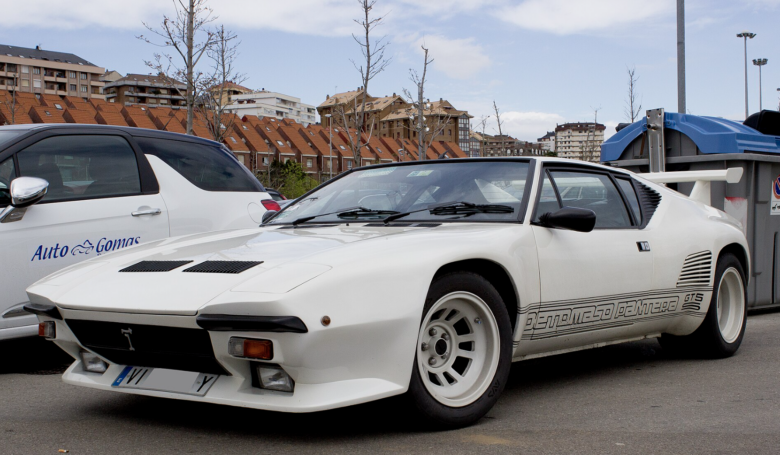
1973 De Tomaso Pantera
An Italian mid-engine exotic with a Ford V8, sold through Lincoln-Mercury dealers in the US. Values have climbed steadily. insure.com notes exotic classics require specialist coverage that goes well beyond standard policies. Parts sourcing for a Pantera is genuinely difficult and the agreed value policies reflect that difficulty directly.
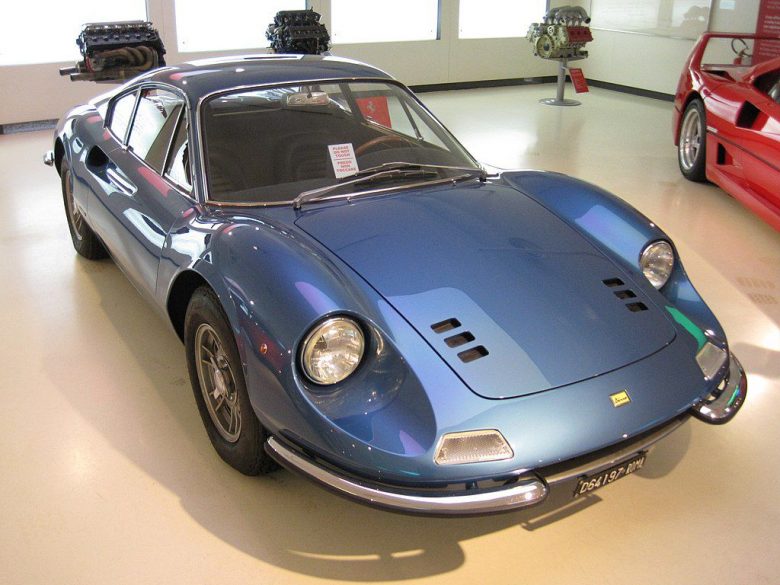
1974 Ferrari Dino 246 GT
Ferrari didn’t put its name on the Dino because Enzo didn’t consider it a true Ferrari. The market disagreed then and disagrees now more emphatically. Hagerty covers Ferrari insurance in detail and the Dino has become one of the most desirable classics of the era. The insurance premiums are priced accordingly.
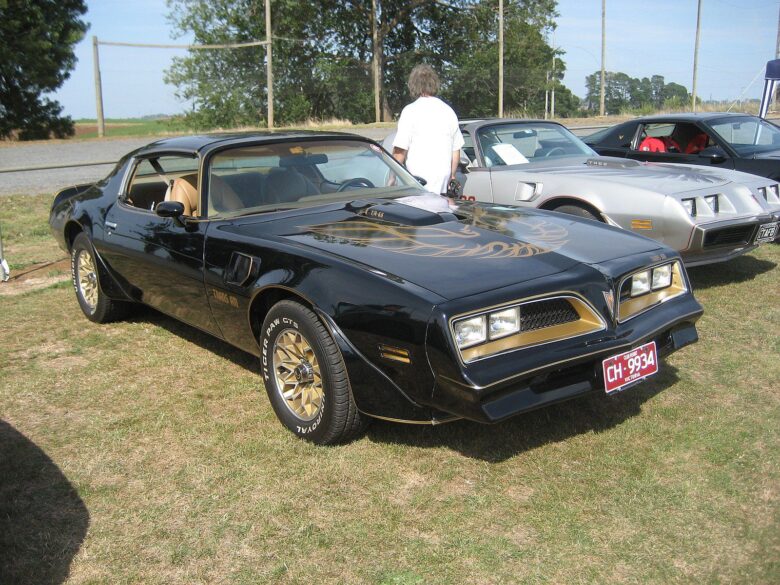
1976 Pontiac Trans Am
The one Burt Reynolds drove. That is the majority of the cultural context and it has been enough to sustain serious collector demand for fifty years. Hagerty tracks the Trans Am’s appreciation curve. The W72 performance package cars with the correct shaker hood are the ones collectors compete for.
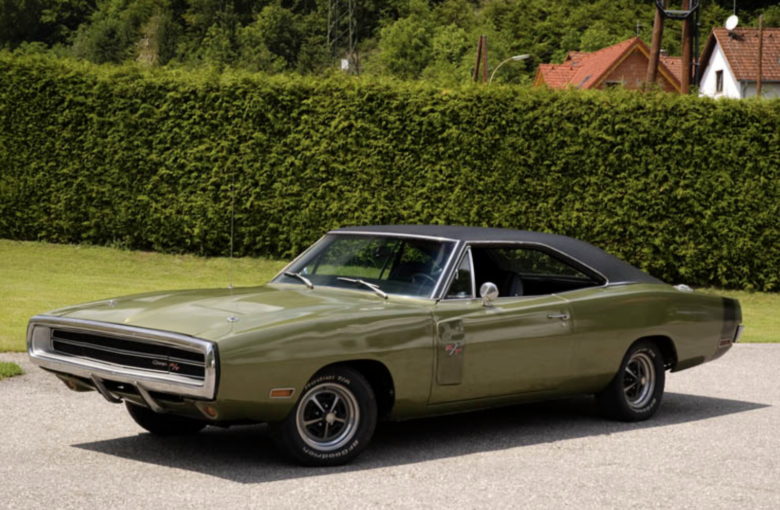
1970 Dodge Charger R/T
The Charger R/T defined the muscle car aesthetic for an entire generation. autoinsurance.com documents that high-value classics require agreed-value coverage to be recalibrated regularly as market prices rise. A 440 Six-Pack Charger in good condition is not an affordable car to own or insure today.
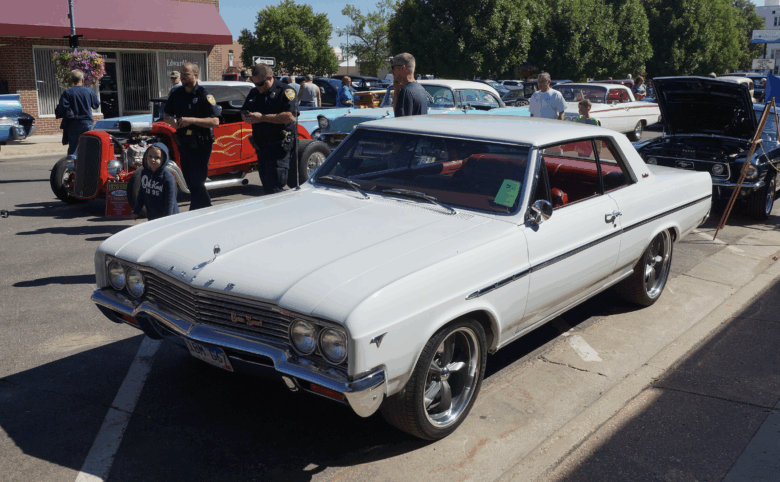
1970 Buick GSX Stage 1
The most underrated American muscle car, which is an argument made with more frequency every year as values rise. Hagerty notes that the GSX, among muscle cars, is gaining recognition among collectors. The Stage 1 engine produced more torque than almost anything on the road in 1970.
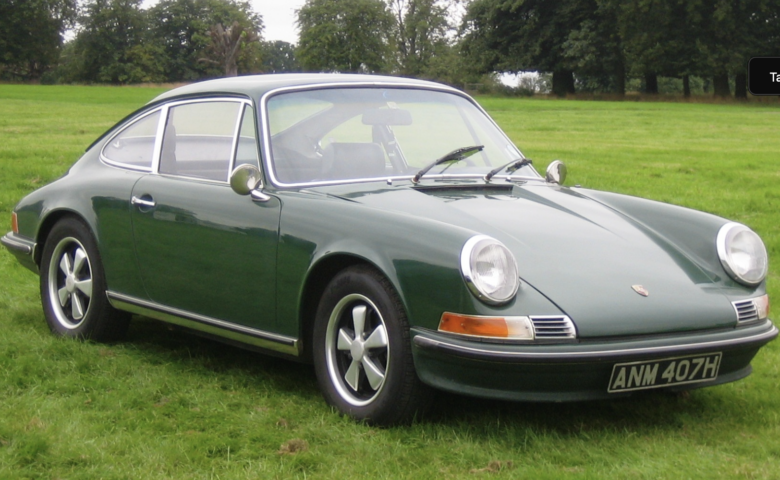
1979 Porsche 911 SC
The air-cooled 911 has gone from affordable used sports car to seriously expensive collector vehicle in about fifteen years. Hagerty tracks the 911 market closely, noting clean, unmodified examples command premiums that have surprised even longtime Porsche enthusiasts. An agreed value policy on a numbers-matching SC is not the casual expense it would have been a decade ago.

The bottom line
The 1970s produced compromised cars and genuinely valuable ones, sometimes the same car simultaneously. Insuring them correctly reflects what the market has decided they are worth today. Which, in most cases, is considerably more than anyone expected.
Ask us! What questions do you have about content, strategy, pop culture, lifestyle, wellness, history or more? We may use your question in an upcoming article!
Related:
- Loud, strong & fast: Beloved muscle cars of the ’60s & ’70s
- 6 vintage cars & the nuclear families who depended on them
Like MediaFeed’s content? Be sure to follow us.
This article was syndicated by MediaFeed.co.